William & Mary
No information available.
Our Contributions
Sort by
NCSS 2026 | Poster Session Resource Doc
Course:
Historical Inquiry in the Classroom
New
Teaching Guide
6-12
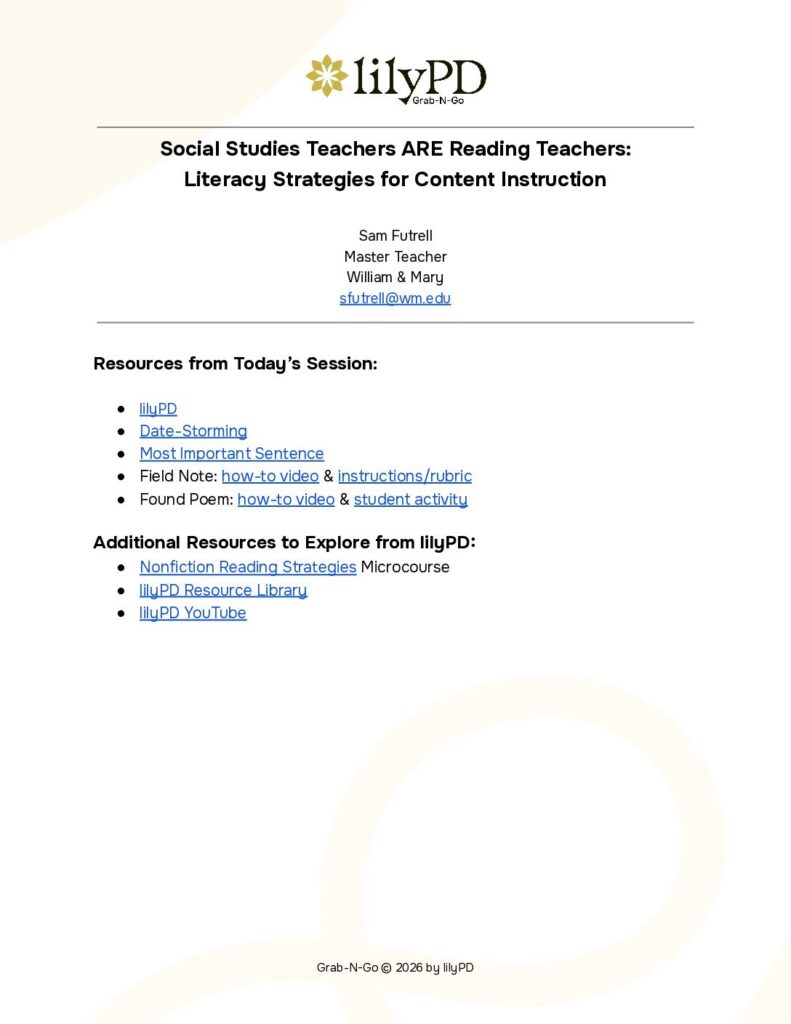
NCTE 2026 | Retro Report & lilyPD | Teaching Literacy through Documentaries
Course:
Project-Based Learning for Content Literacy
New
Teaching Guide
K-12
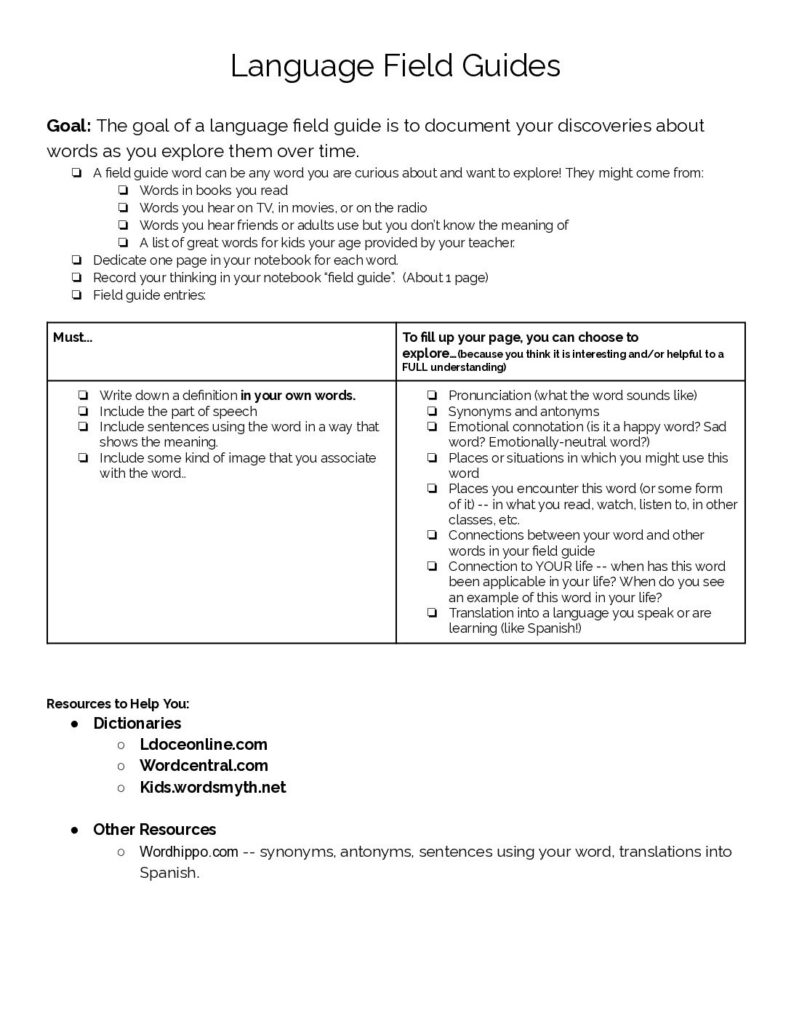
Vocabulary Strategy: Language Field Guide Instructions for Younger Students
Course:
Foundations of Writing Evidence Based Arguments
New
Student Activity
K-12
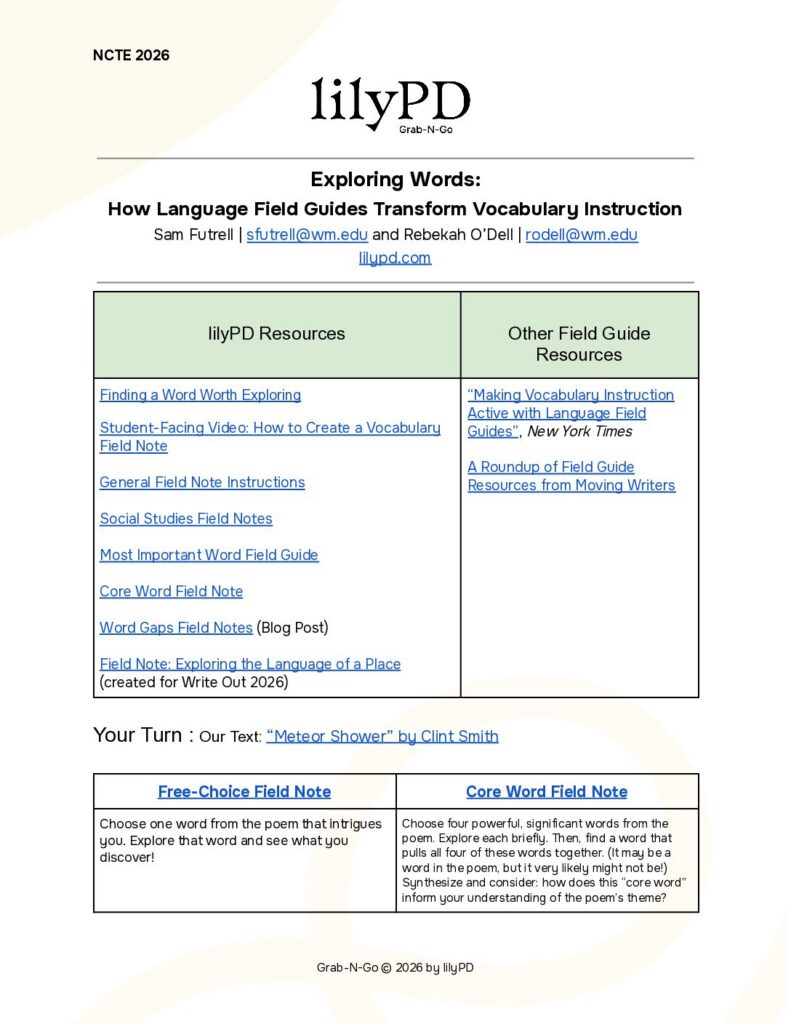
NCTE 2026 Session Resources
Course:
Building Literacy in Early Childhood Education
New
Teaching Guide
K-12
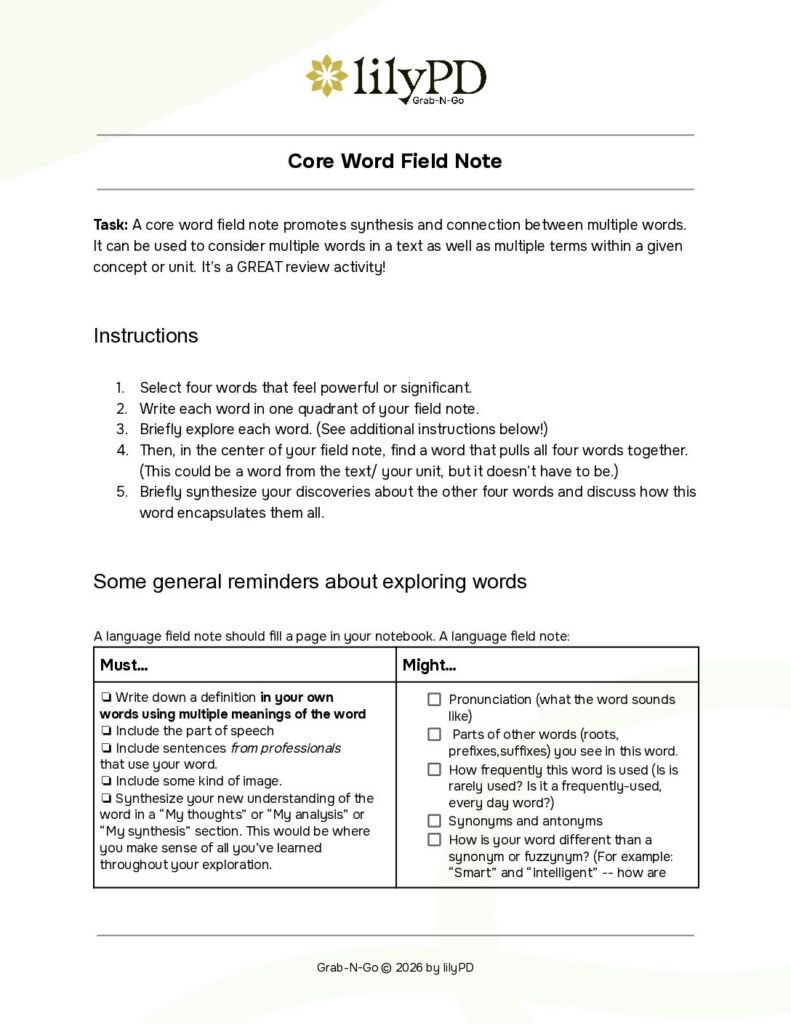
Vocabulary Strategy: Core Word Field Note
Course:
Foundations of Writing Evidence Based Arguments
New
Student Activity
K-12
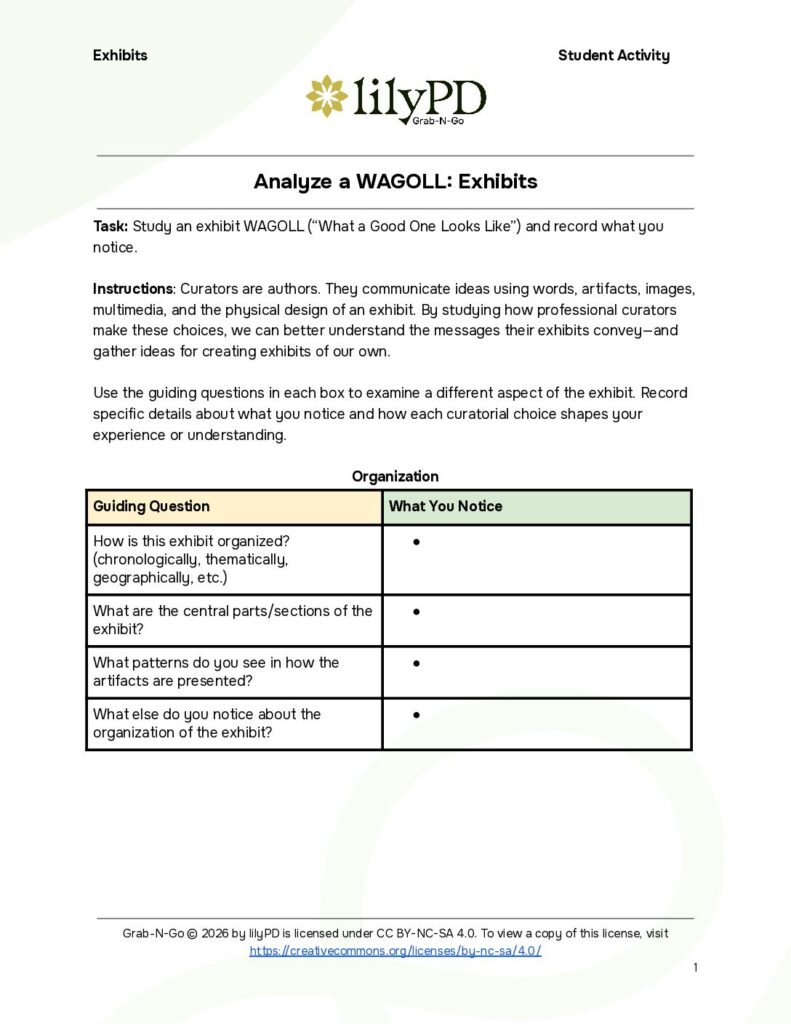
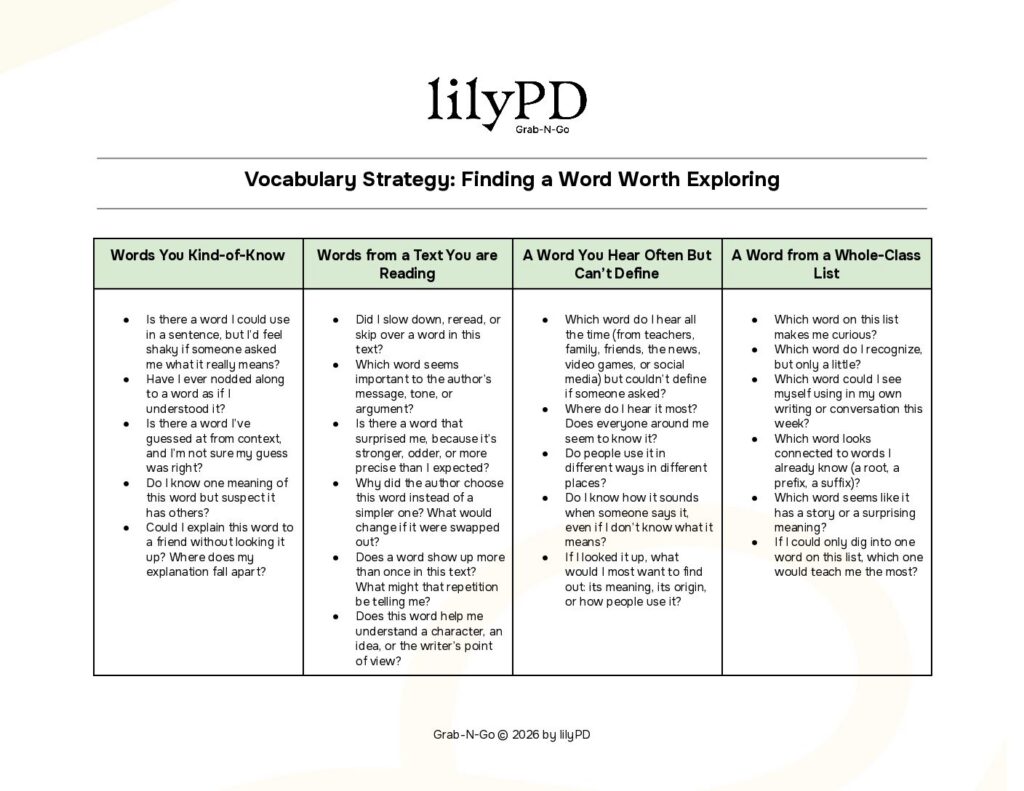
Vocabulary Activity: Finding a Word Worth Exploring
Course:
Foundations of Writing Evidence Based Arguments
New
Student Activity
K-12
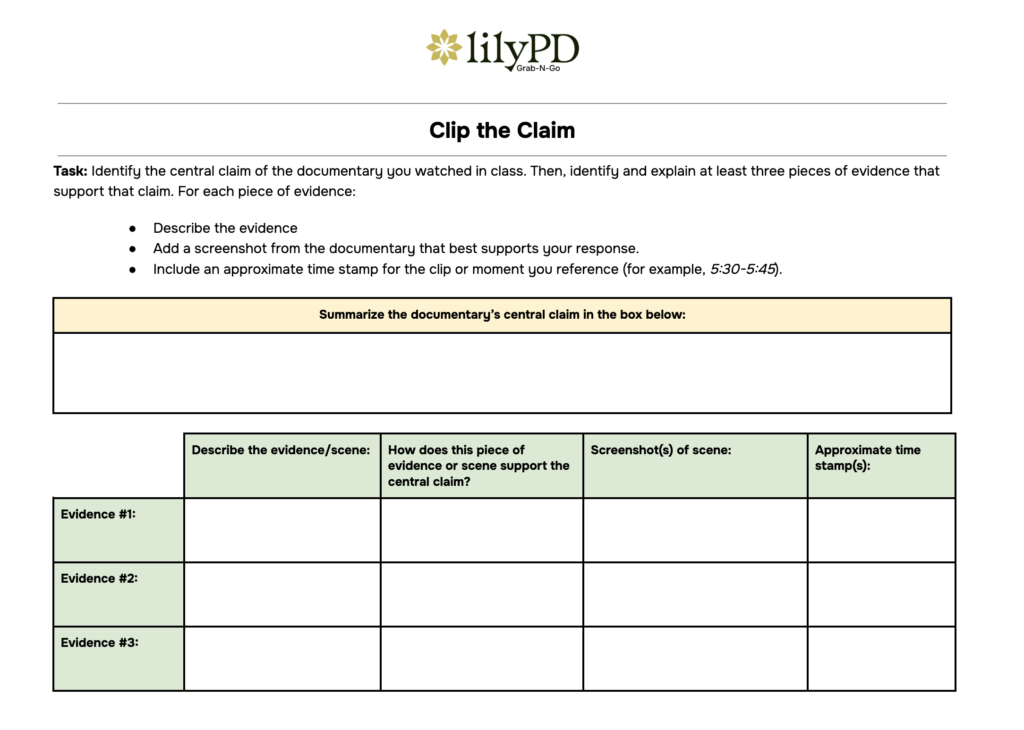
Documentary Analysis Activity: Clip the Claim
Course:
Project-Based Learning for Content Literacy
New
Student Activity
6-12
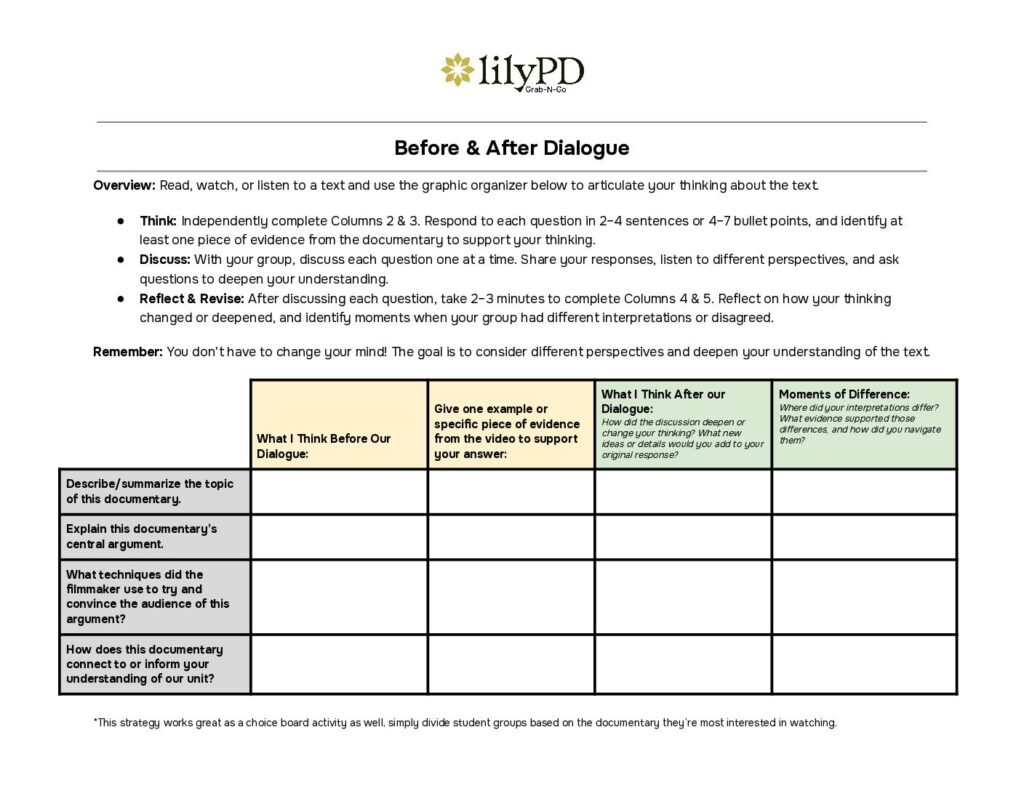
Text Analysis and Discourse Strategy: Before & After Dialogue
Course:
Civil Discourse in the Classroom
New
Student Activity
6-12
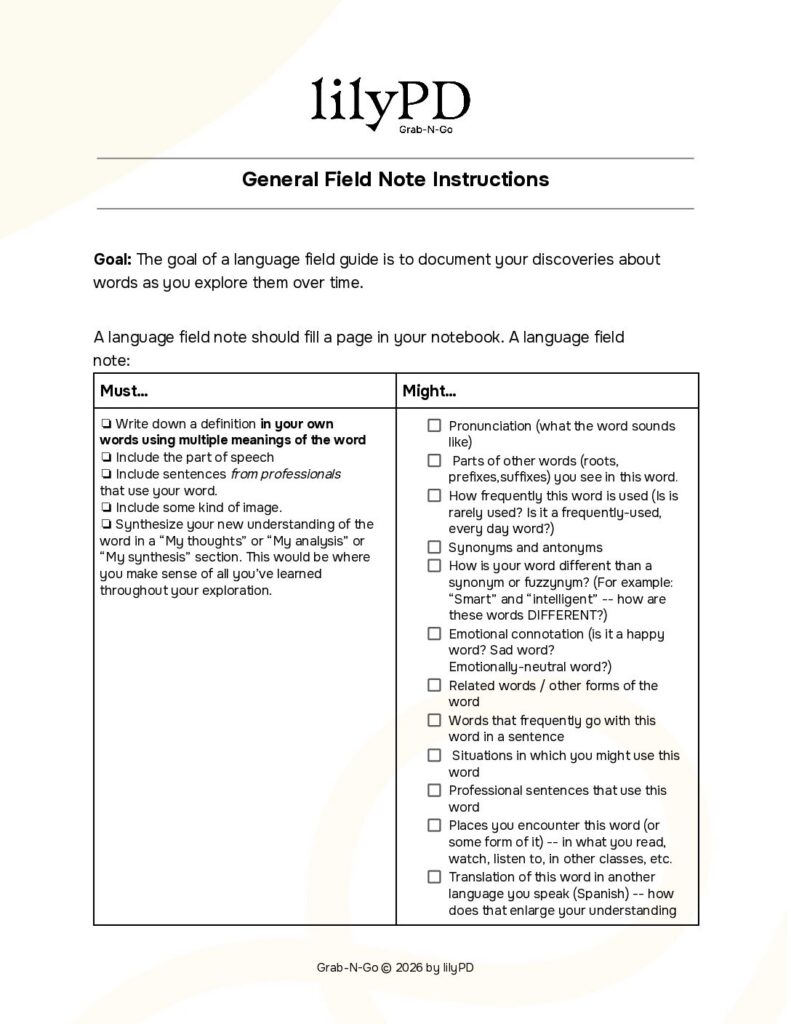
Vocabulary Strategy: General Field Note Instructions
Course:
Foundations of Writing Evidence Based Arguments
New
Student Activity
K-12
Vocabulary Strategy: Most Important Word Field Guide
Course:
Building Evidence Based Arguments
Student Activity
K-12
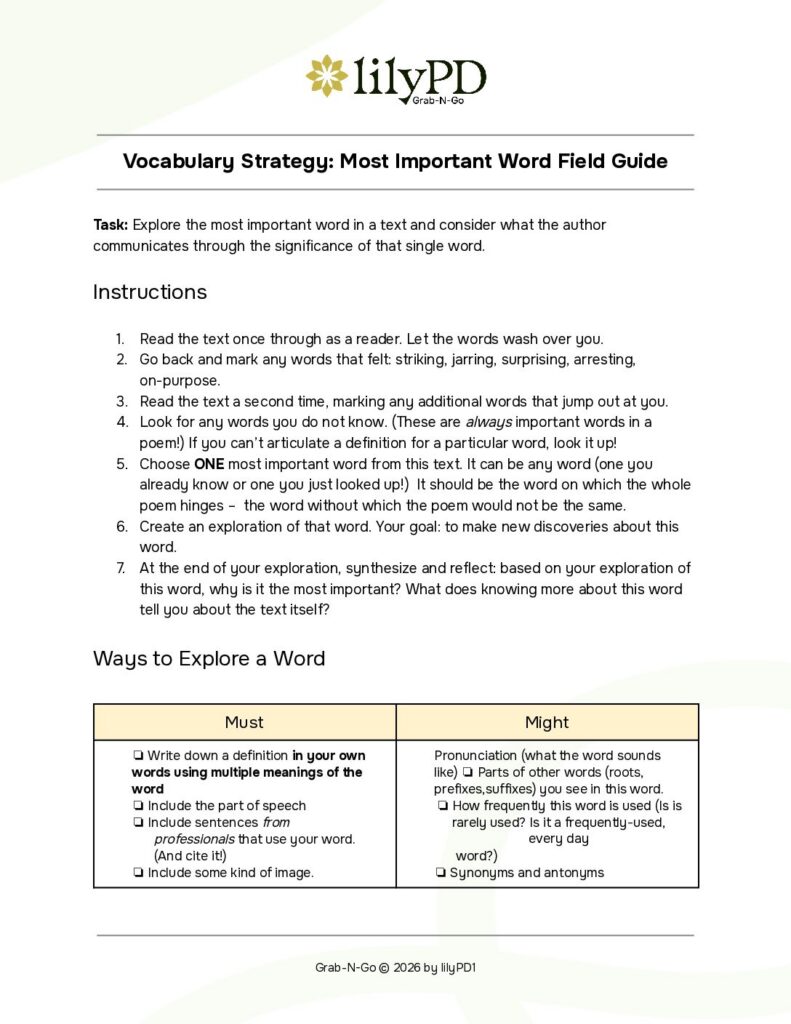
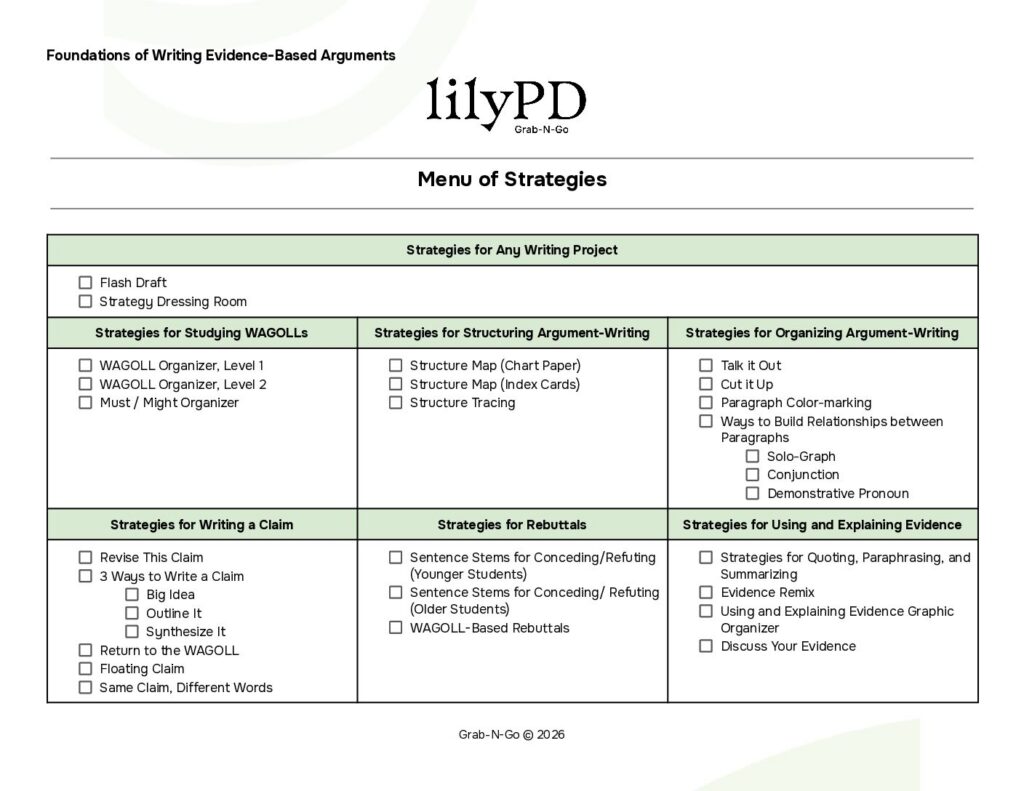
Foundations of Writing Evidence-Based Arguments: Menu of Strategies
Course:
Foundations of Writing Evidence Based Arguments
Teaching Guide
4-12
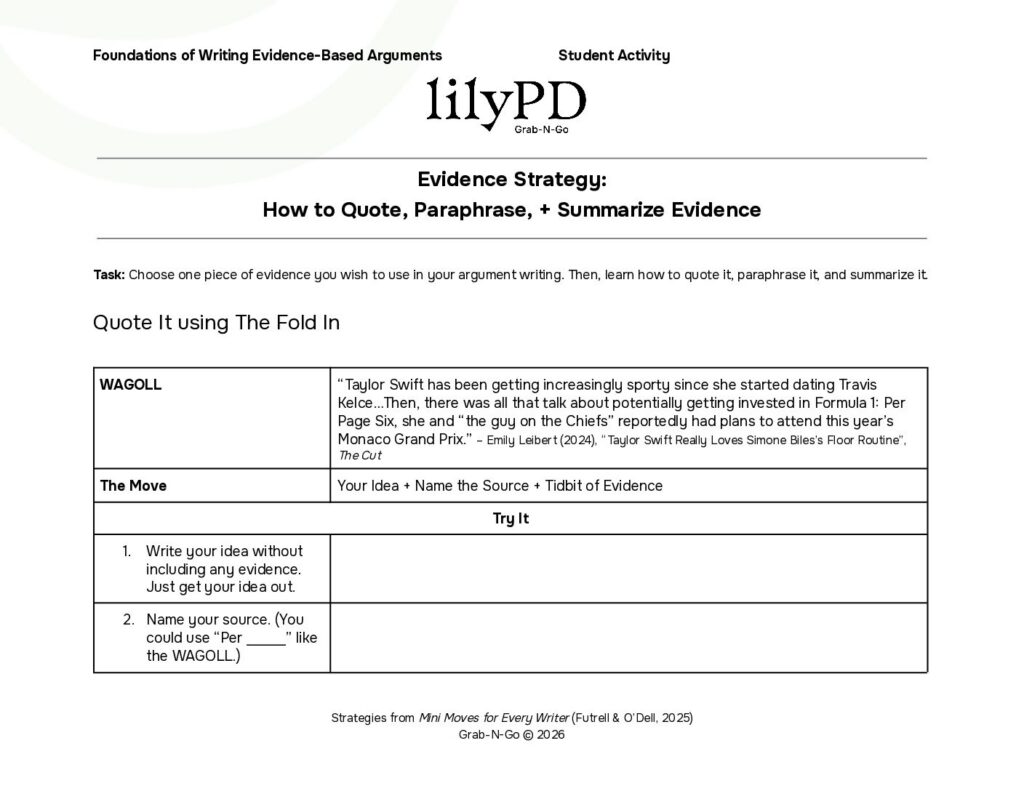
Evidence Strategy: How to Quote, Paraphrase, and Summarize Evidence
Course:
Foundations of Writing Evidence Based Arguments
Student Activity
4-12
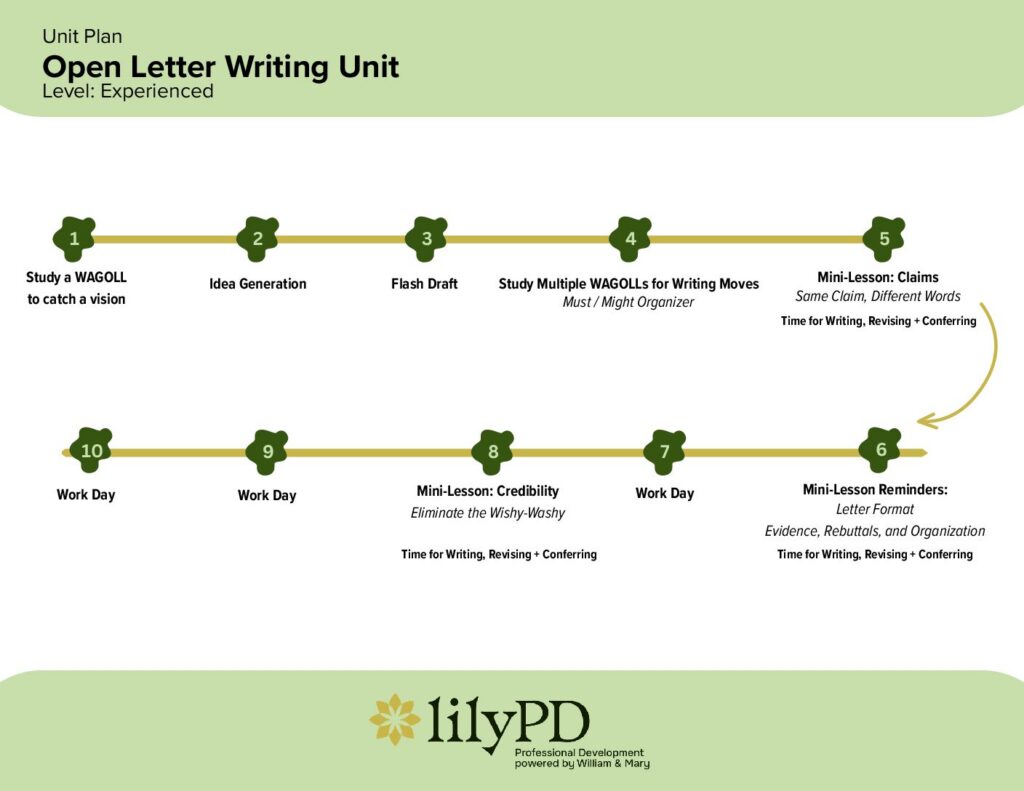
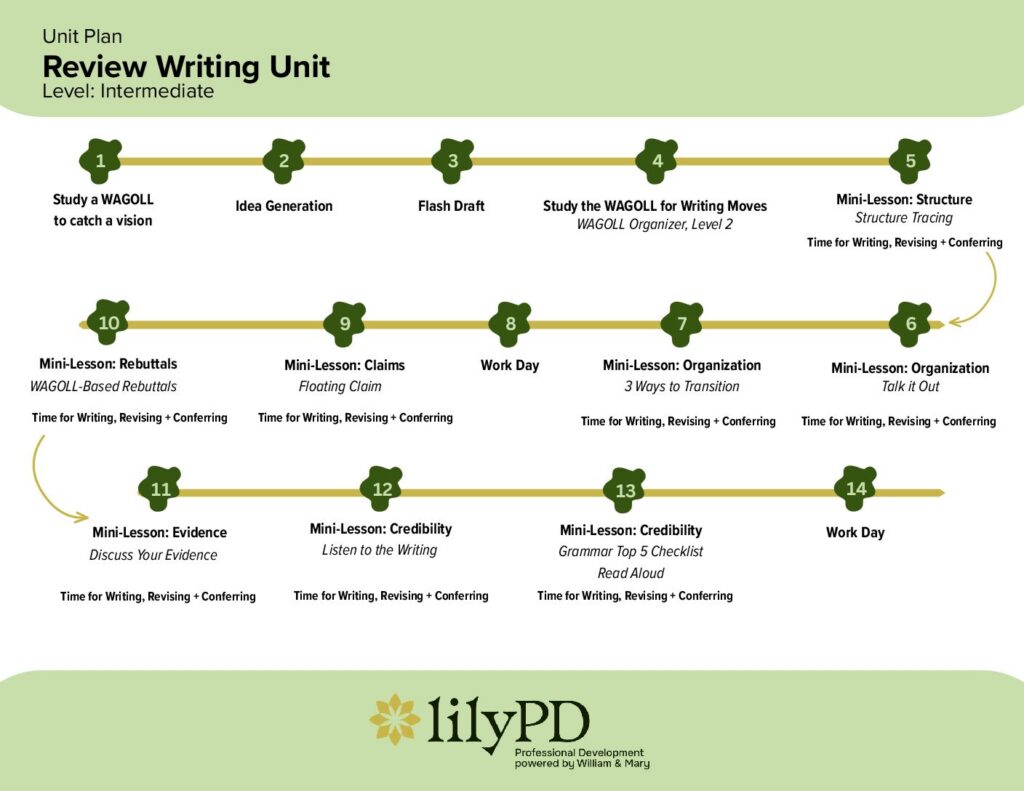
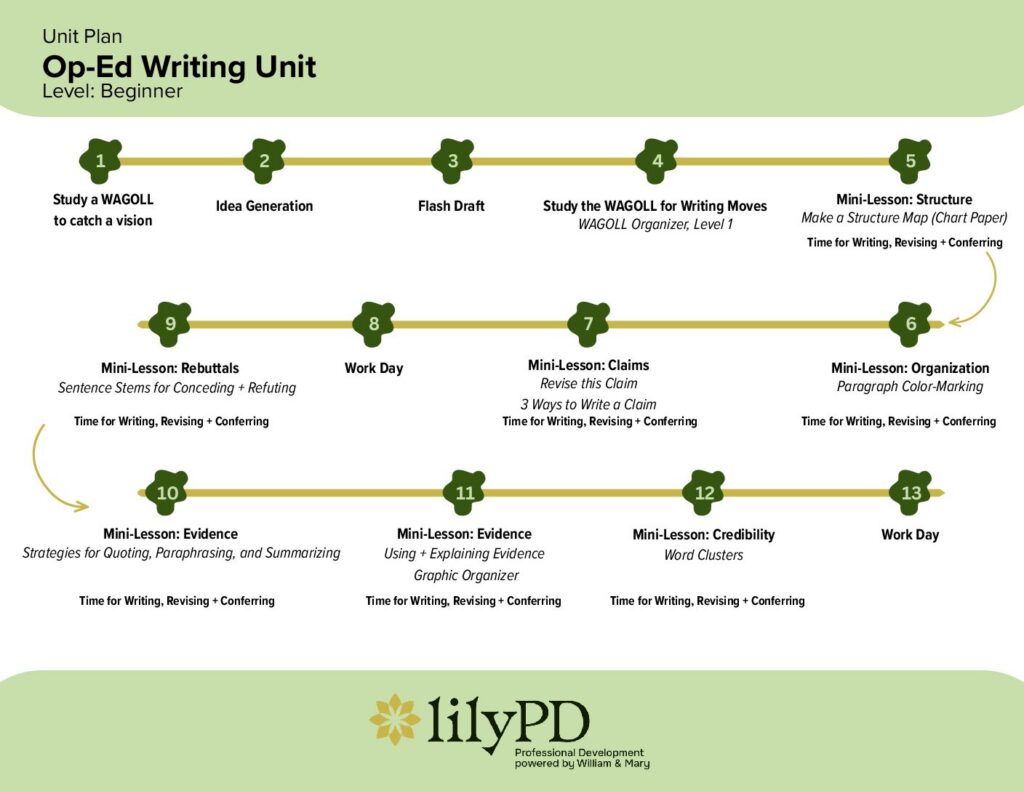
Choice Board: Establishing Credibility
Course:
Foundations of Writing Evidence Based Arguments
Student Activity
4-12
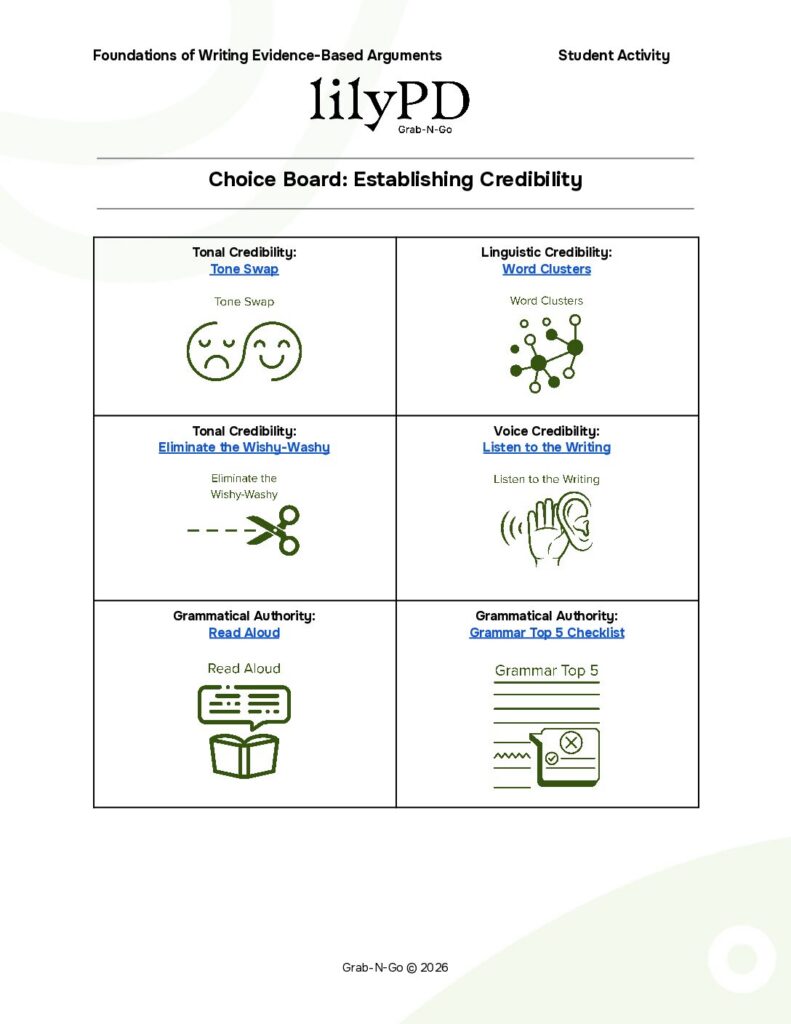
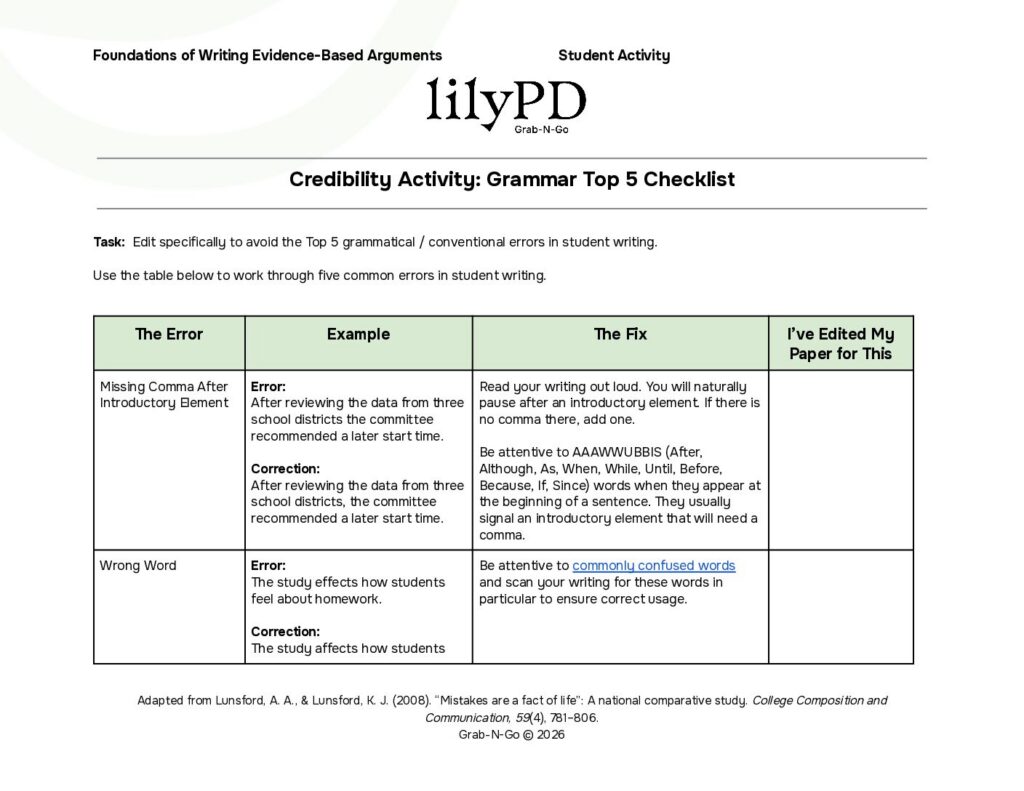
Grammar Top 5 Checklist
Course:
Foundations of Writing Evidence Based Arguments
Student Activity
4-12
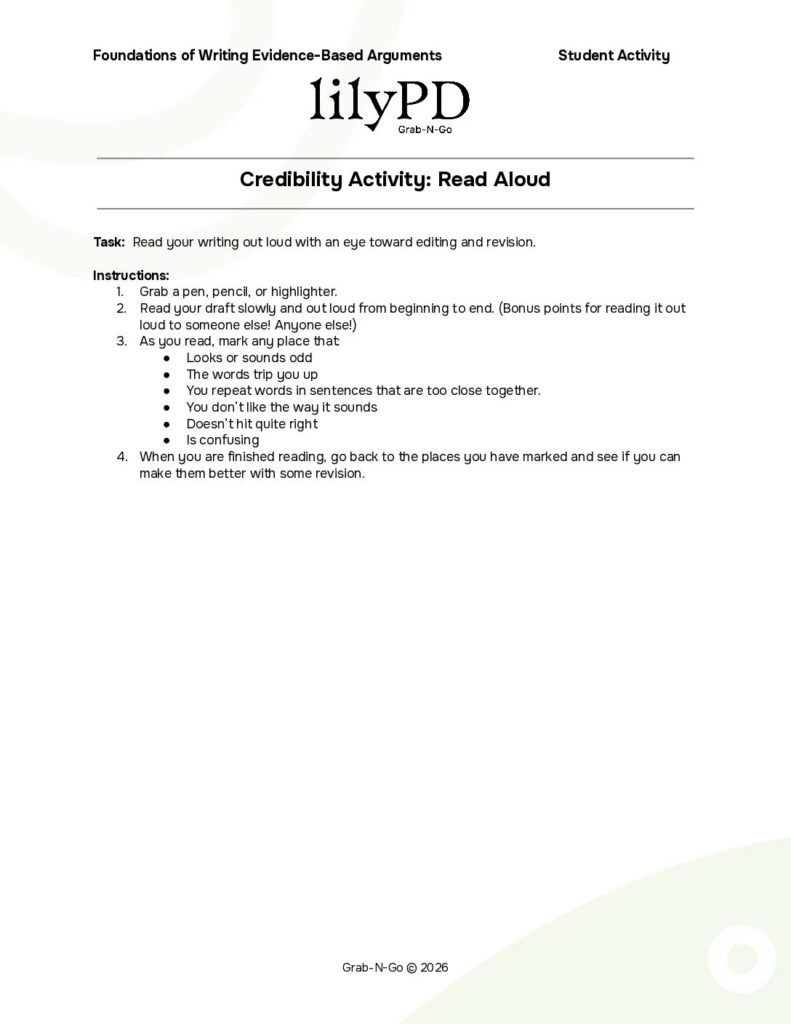
Credibility Activity: Read Aloud
Course:
Foundations of Writing Evidence Based Arguments
Student Activity
4-12
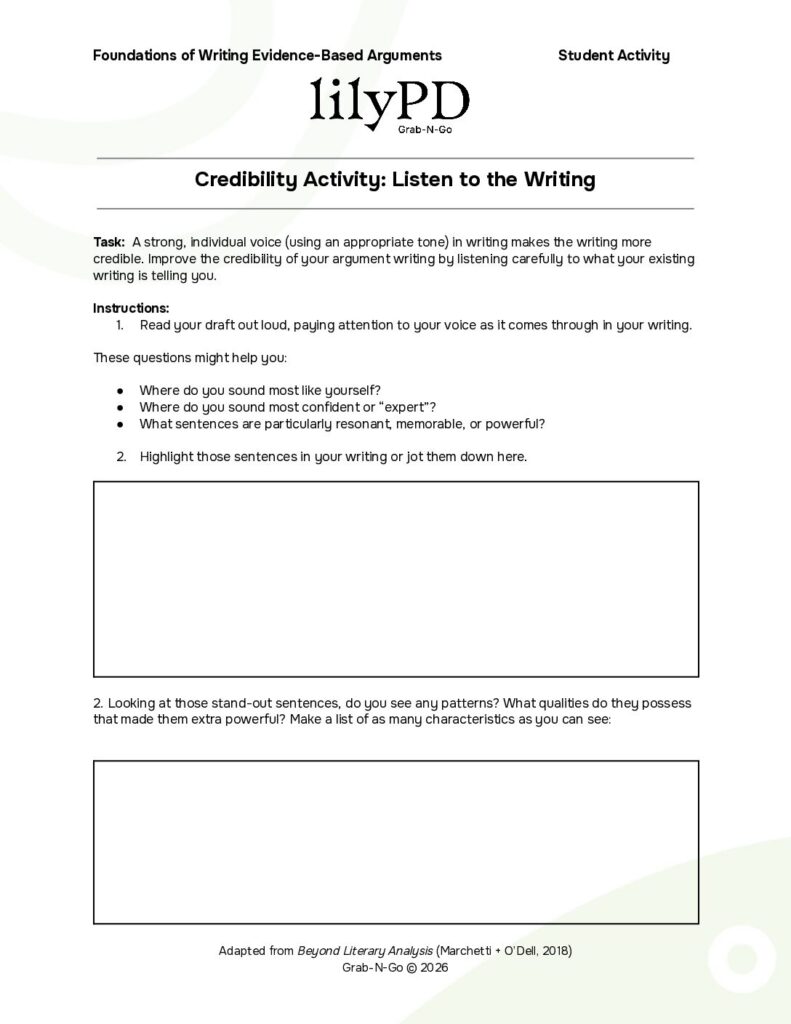
Credibility Activity: Listen to the Writing
Course:
Foundations of Writing Evidence Based Arguments
Student Activity
4-12
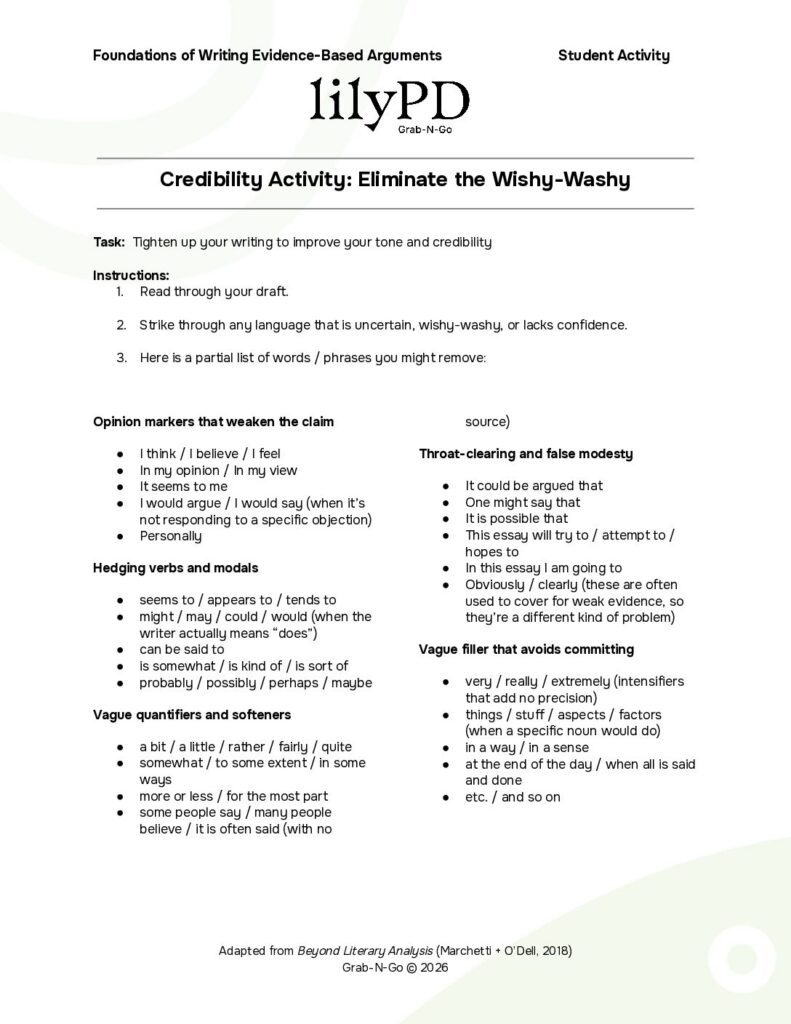
Credibility Activity: Eliminate the Wishy-Washy
Course:
Foundations of Writing Evidence Based Arguments
Student Activity
4-12
Credibility Activity: Word Clusters
Course:
Foundations of Writing Evidence Based Arguments
Student Activity
4-12
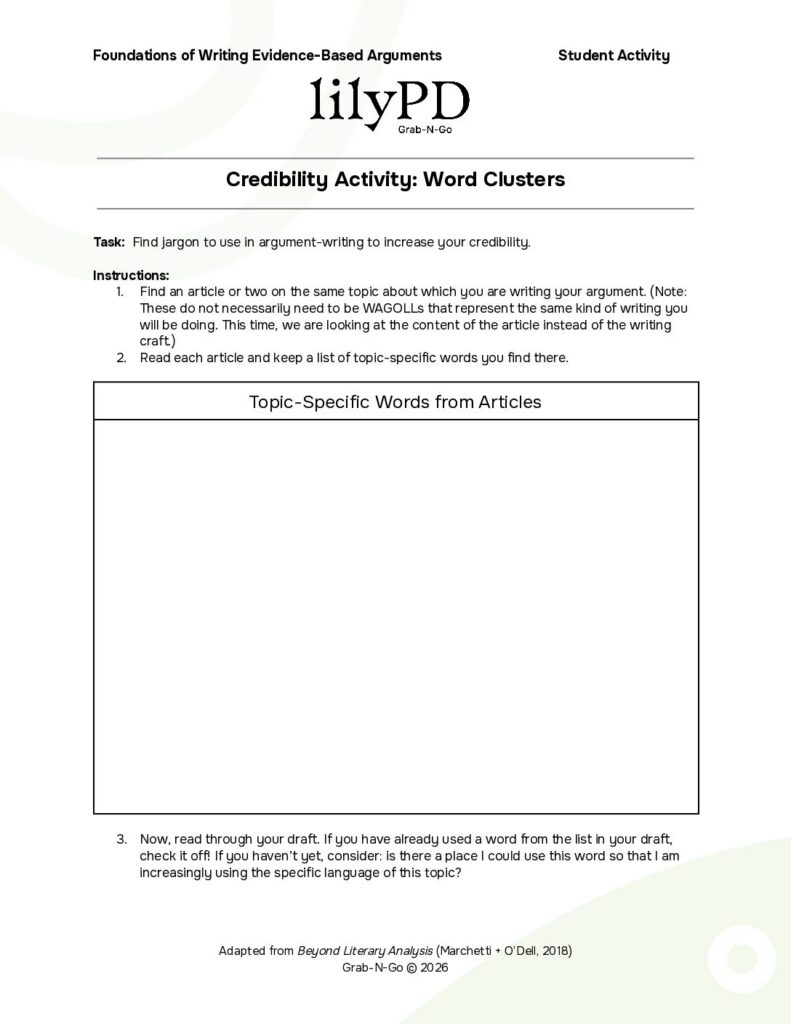
Credibility Activity: Tone Swap
Course:
Foundations of Writing Evidence Based Arguments
Student Activity
4-12
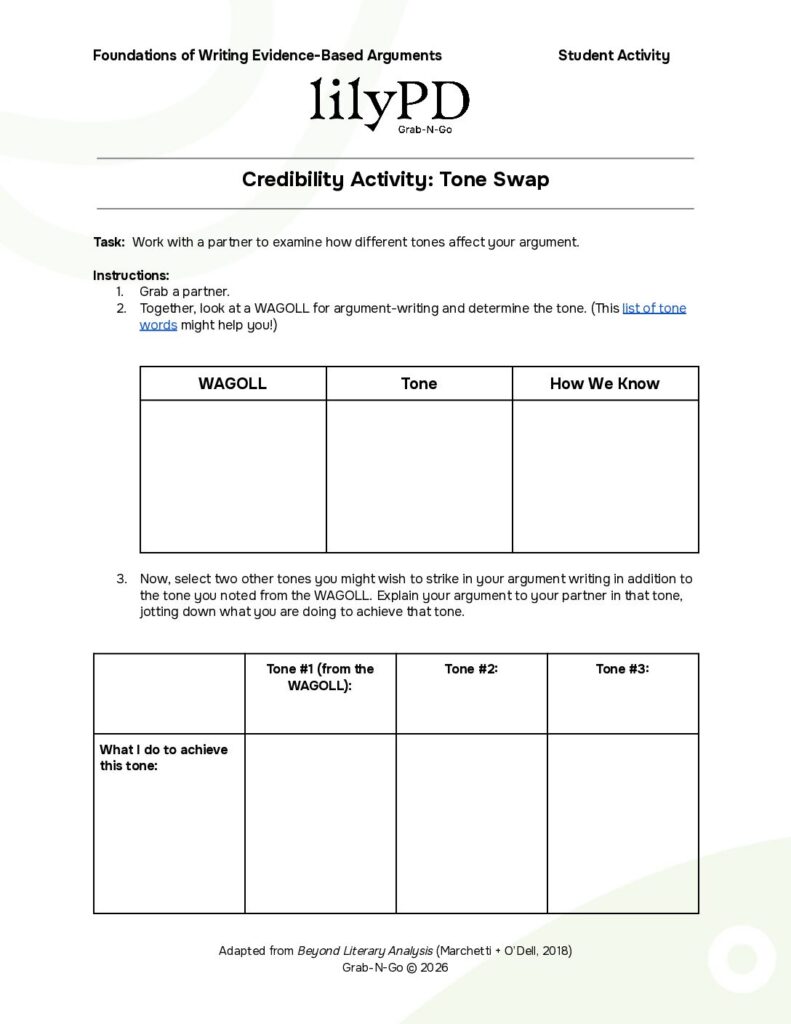
Evidence Strategy: Discuss Your Evidence
Course:
Foundations of Writing Evidence Based Arguments
Student Activity
4-12
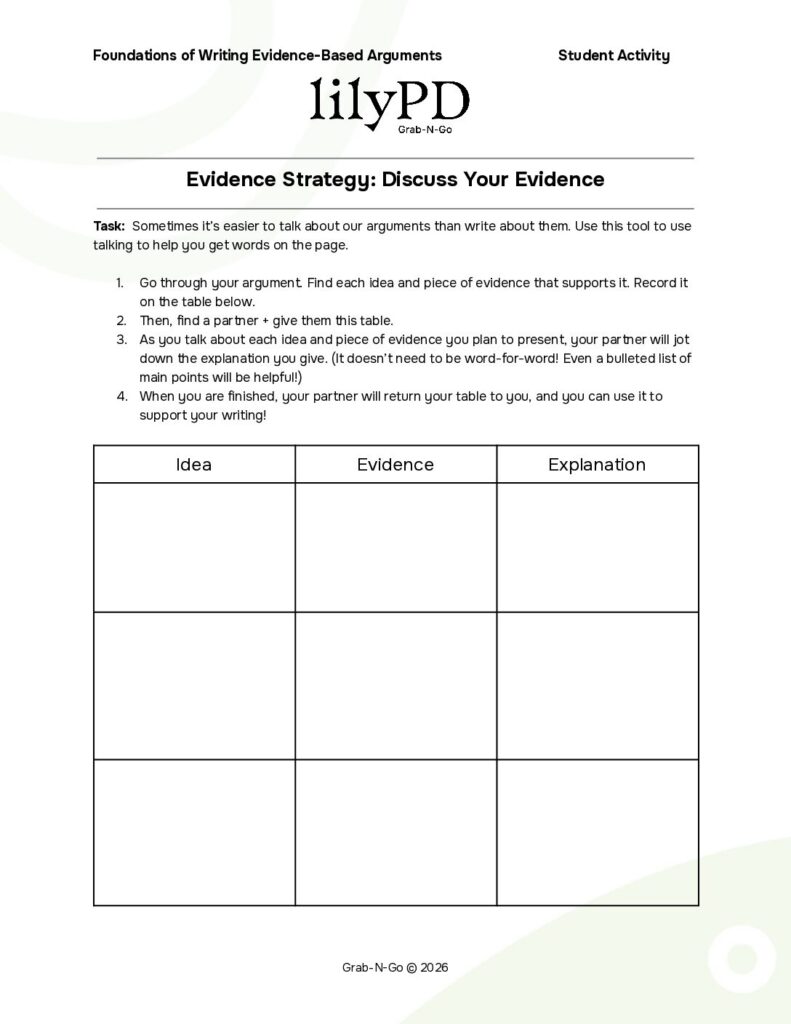
Graphic Organizer: Using and Explaining Evidence
Course:
Foundations of Writing Evidence Based Arguments
Student Activity
4-12
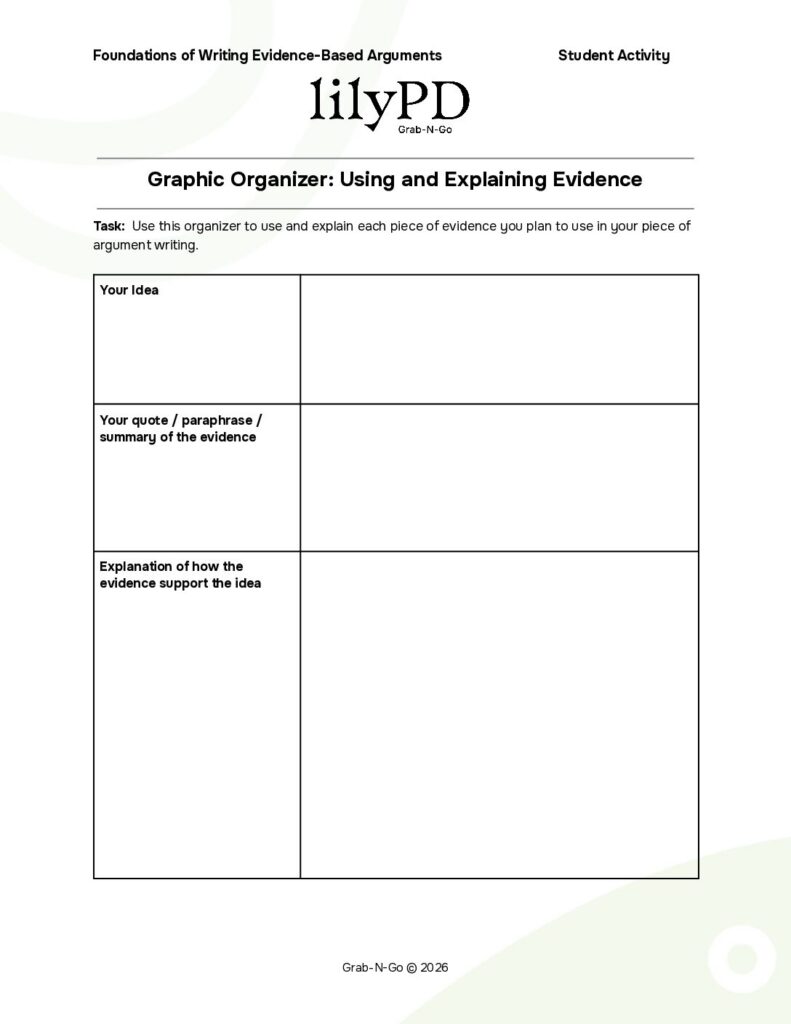
Evidence Strategy: Evidence Remix
Course:
Foundations of Writing Evidence Based Arguments
Student Activity
K-12
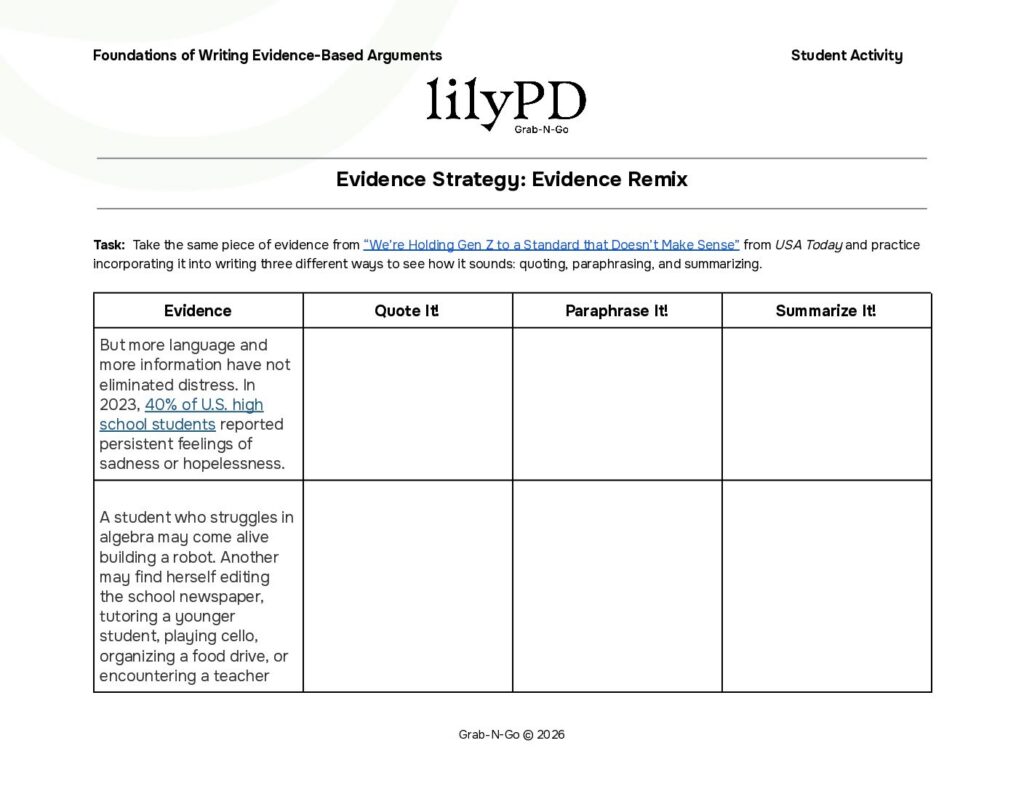
Quote, Paraphrase, or Summarize Decision Tree
Course:
Foundations of Writing Evidence Based Arguments
Student Activity
4-12
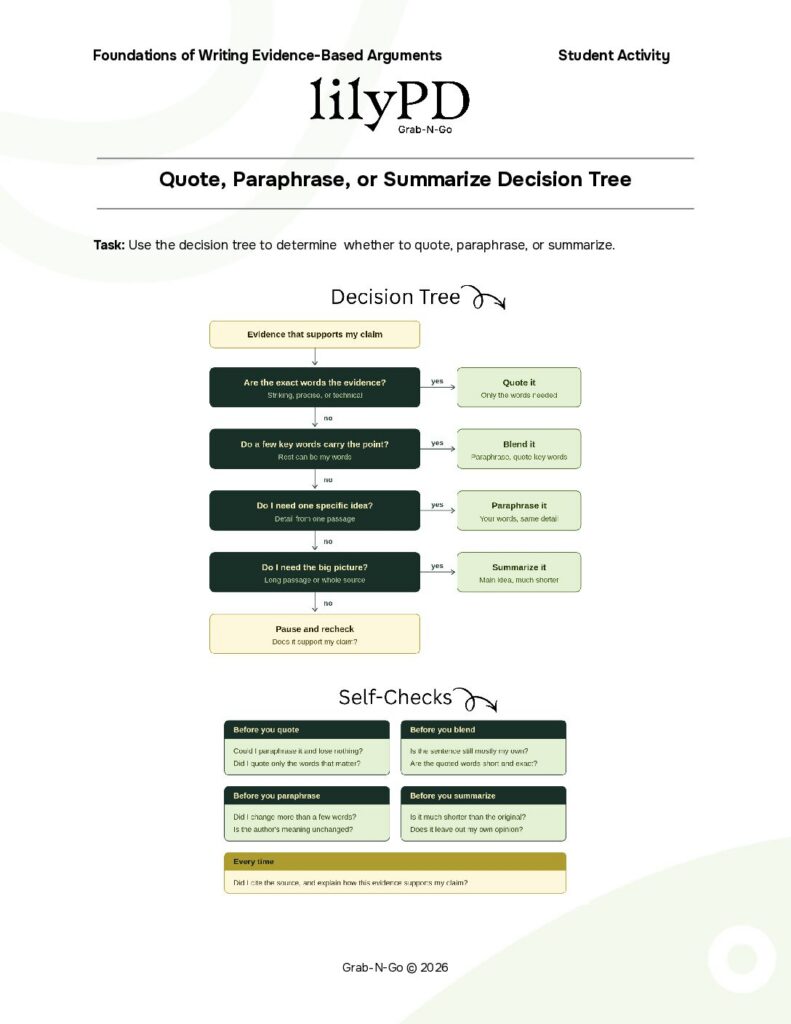
Rebuttal Strategy: WAGOLL-Based Rebuttals
Course:
Foundations of Writing Evidence Based Arguments
Student Activity
4-12
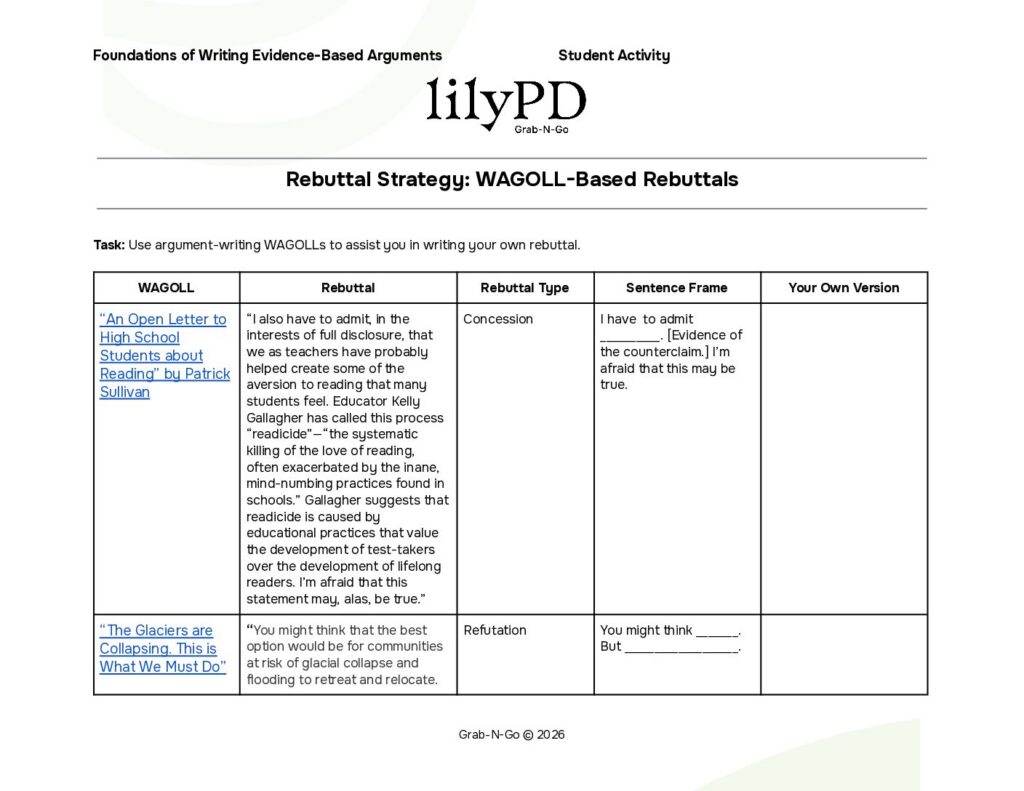
Claim Strategy: Same Claim, Different Words
Course:
Foundations of Writing Evidence Based Arguments
Student Activity
4-12
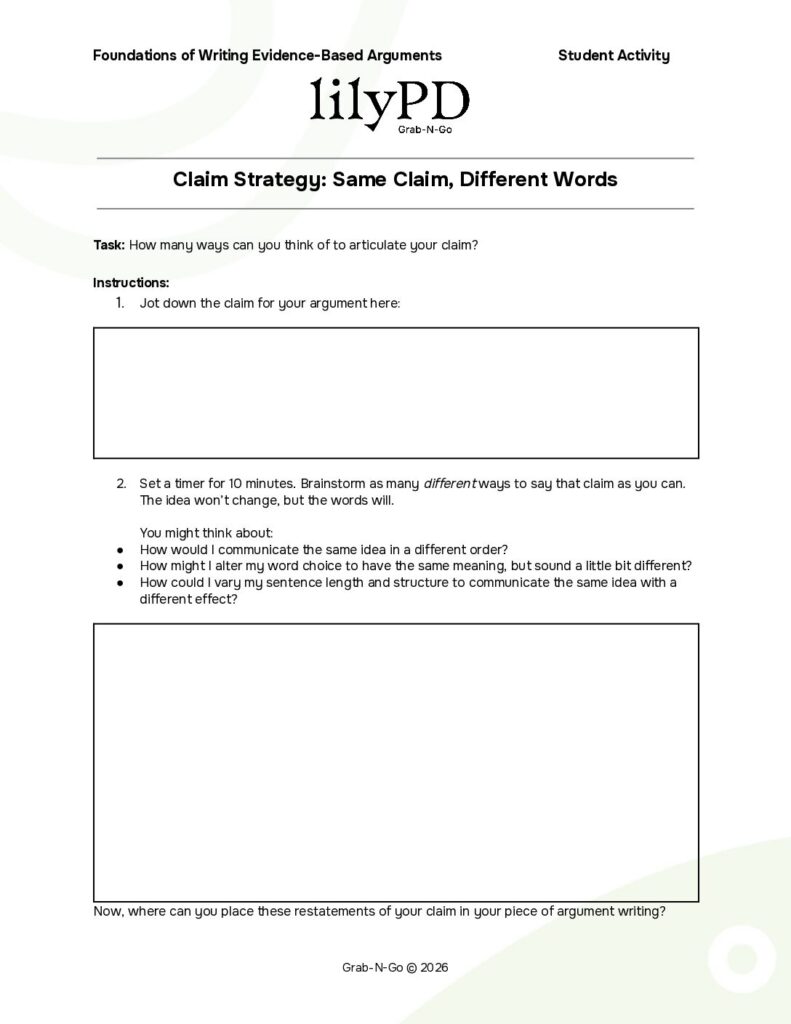
Claim Strategy: Return to the WAGOLL
Course:
Foundations of Writing Evidence Based Arguments
Student Activity
4-12
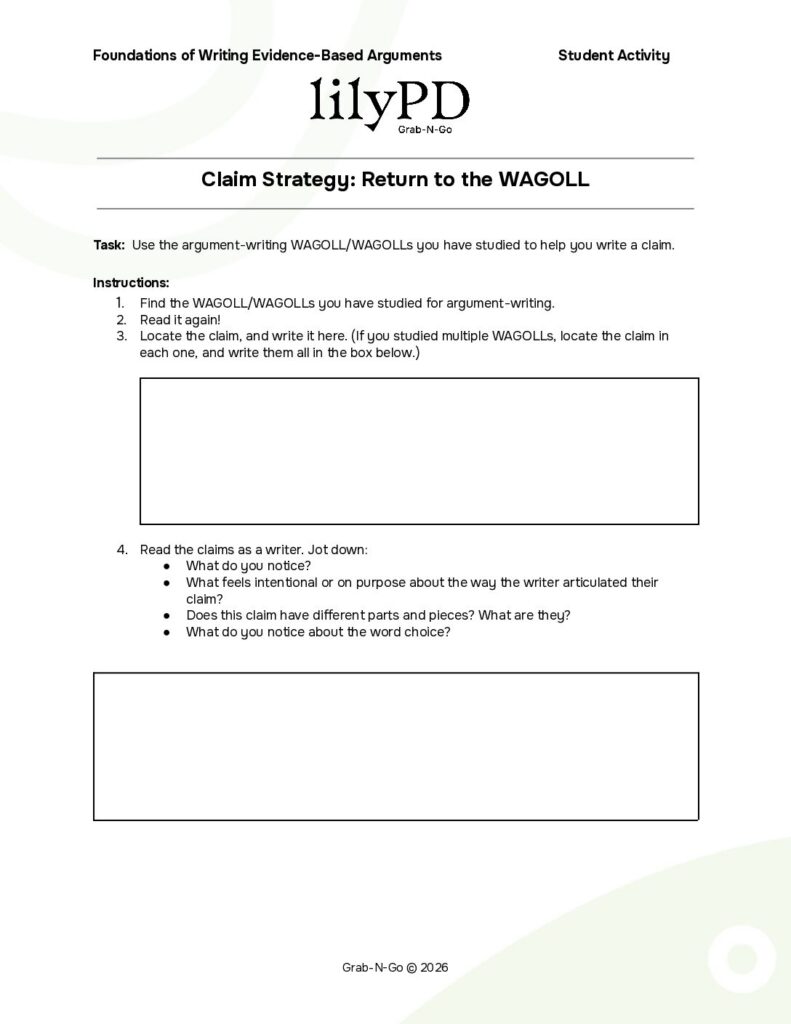
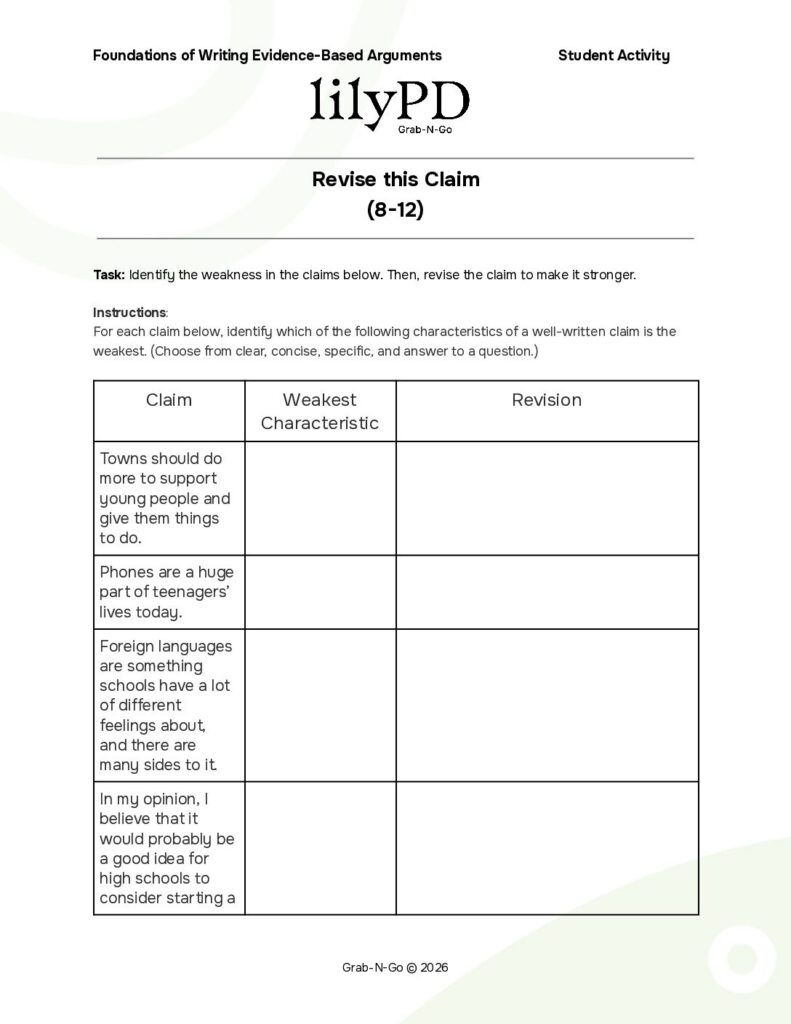
Claim Activity: Revise this Claim
Course:
Foundations of Writing Evidence Based Arguments
Student Activity
4-12
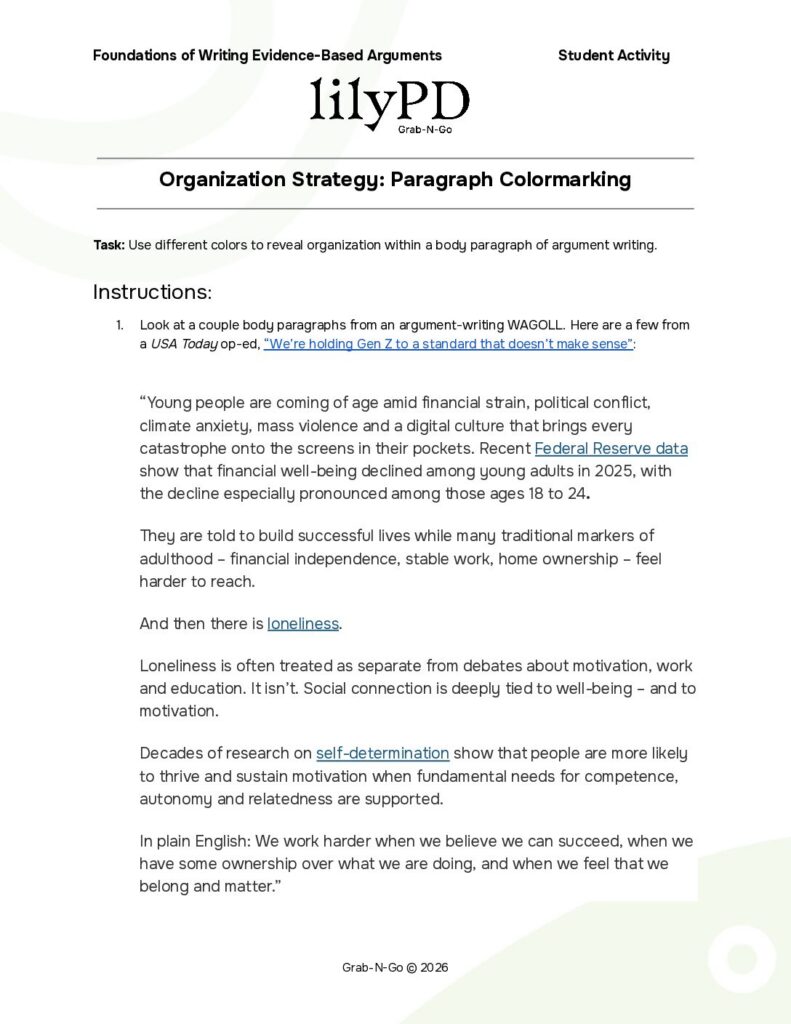
Organization Strategy: Paragraph Colormarking
Course:
Foundations of Writing Evidence Based Arguments
Student Activity
4-12
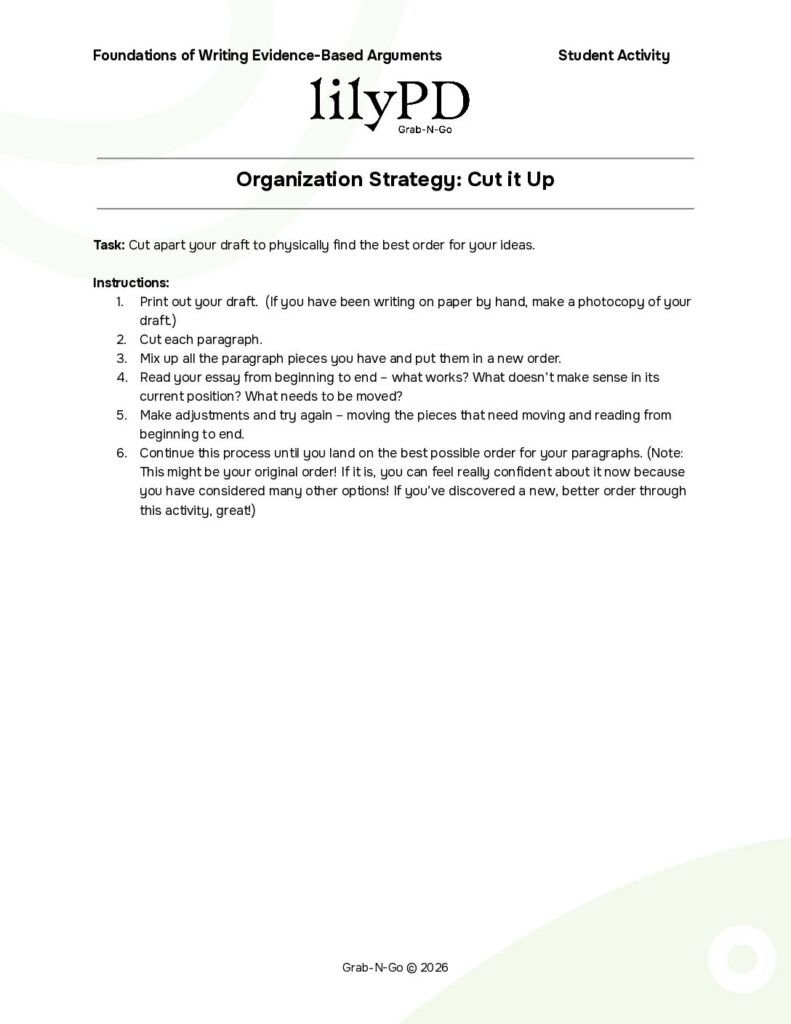
Organization Strategy: Cut it Up
Course:
Foundations of Writing Evidence Based Arguments
Student Activity
4-12
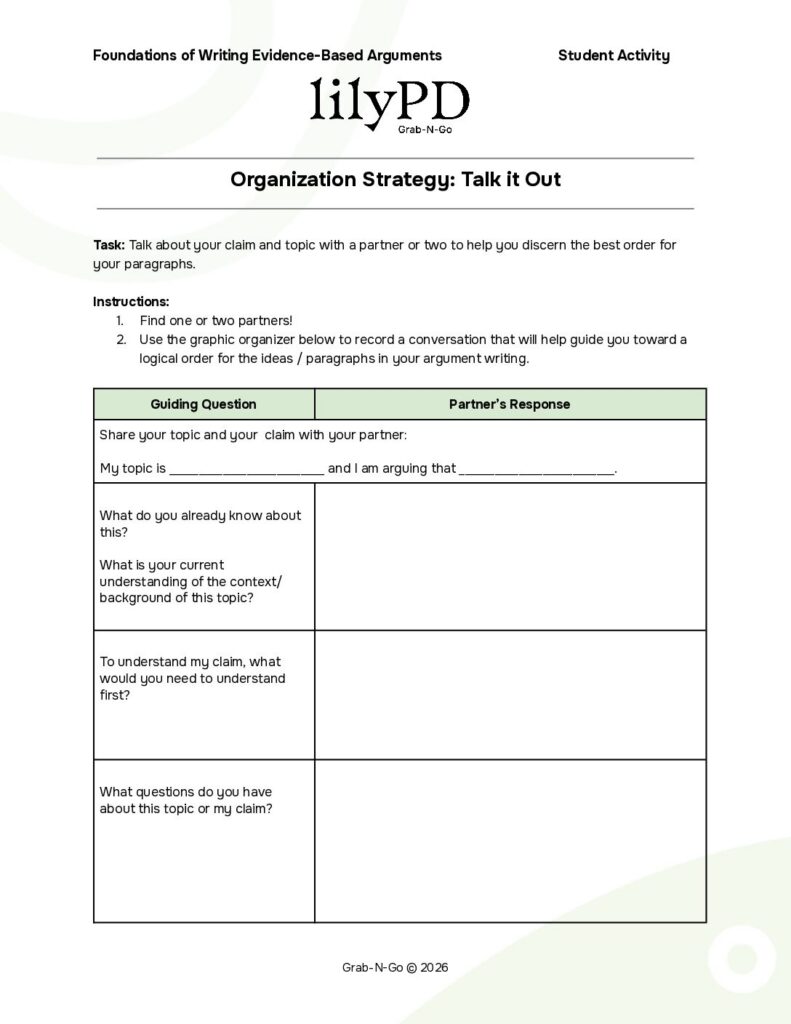
Organization Strategy: Talk it Out
Course:
Foundations of Writing Evidence Based Arguments
Student Activity
4-12
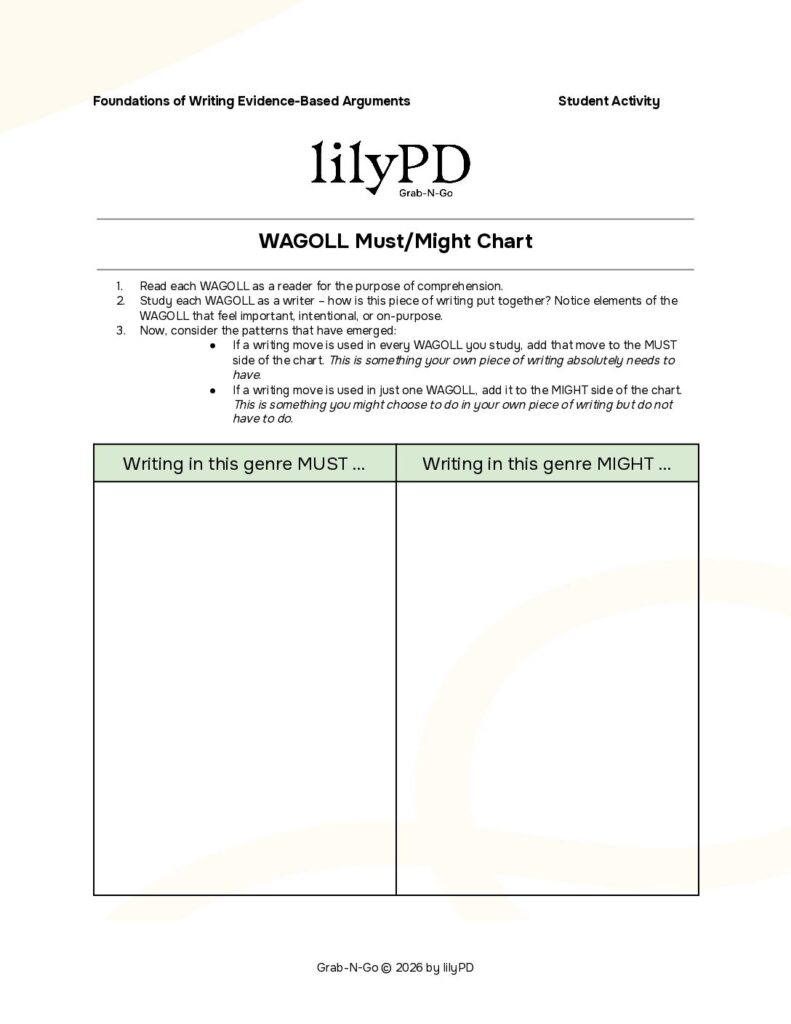
WAGOLL Must Might Chart
Course:
Foundations of Writing Evidence Based Arguments
Student Activity
4-12
WAGOLL Study Graphic Organizer L2
Course:
Foundations of Writing Evidence Based Arguments
Student Activity
4-12
WAGOLL Study Graphic Organizer L1
Course:
Foundations of Writing Evidence Based Arguments
Student Activity
4-12
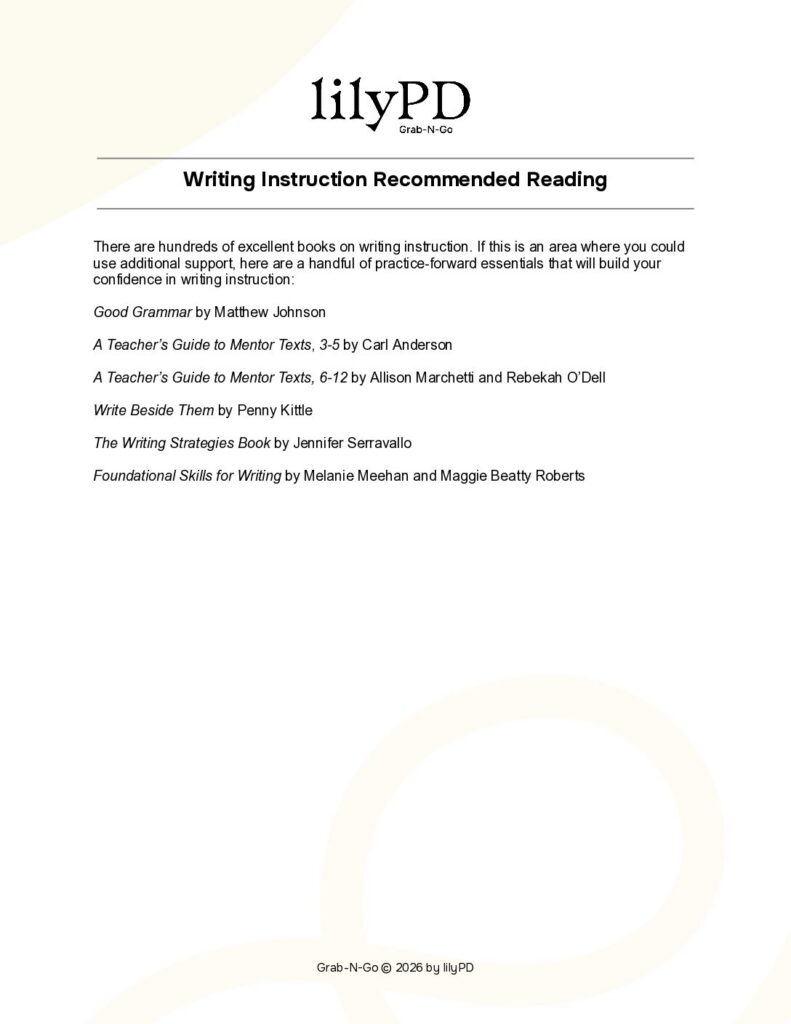
WAGOLL Showcase Exploration
Course:
Foundations of Writing Evidence Based Arguments
Teacher Activity
4-12
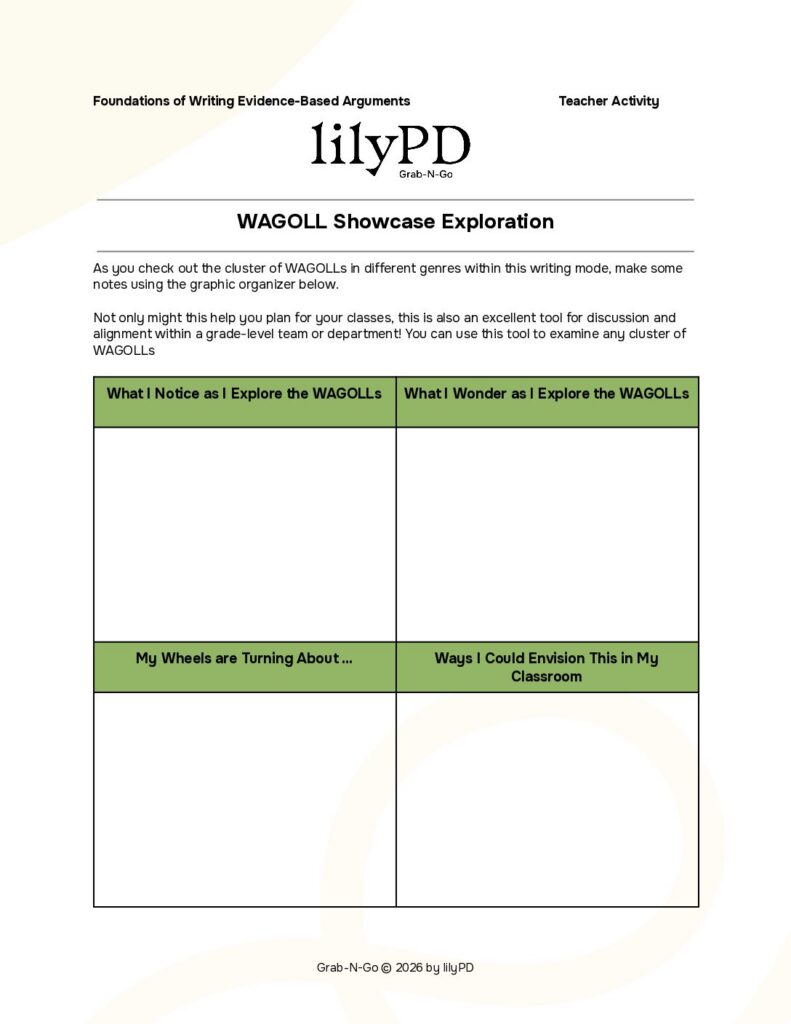
Writing Instruction Recommended Reading
Course:
5 Principles of Strong Writing Instruction
Teaching Guide
K-12
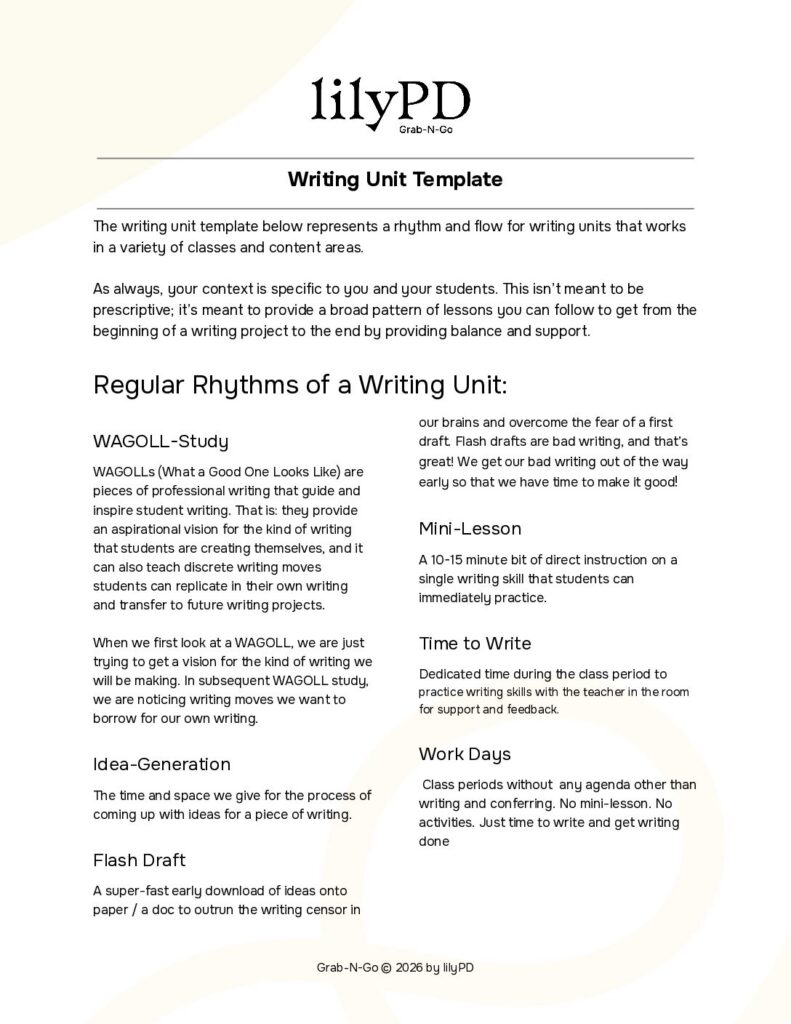
Writing Class-Period Template
Course:
Foundations of Writing Evidence Based Arguments
Teaching Guide
K-12
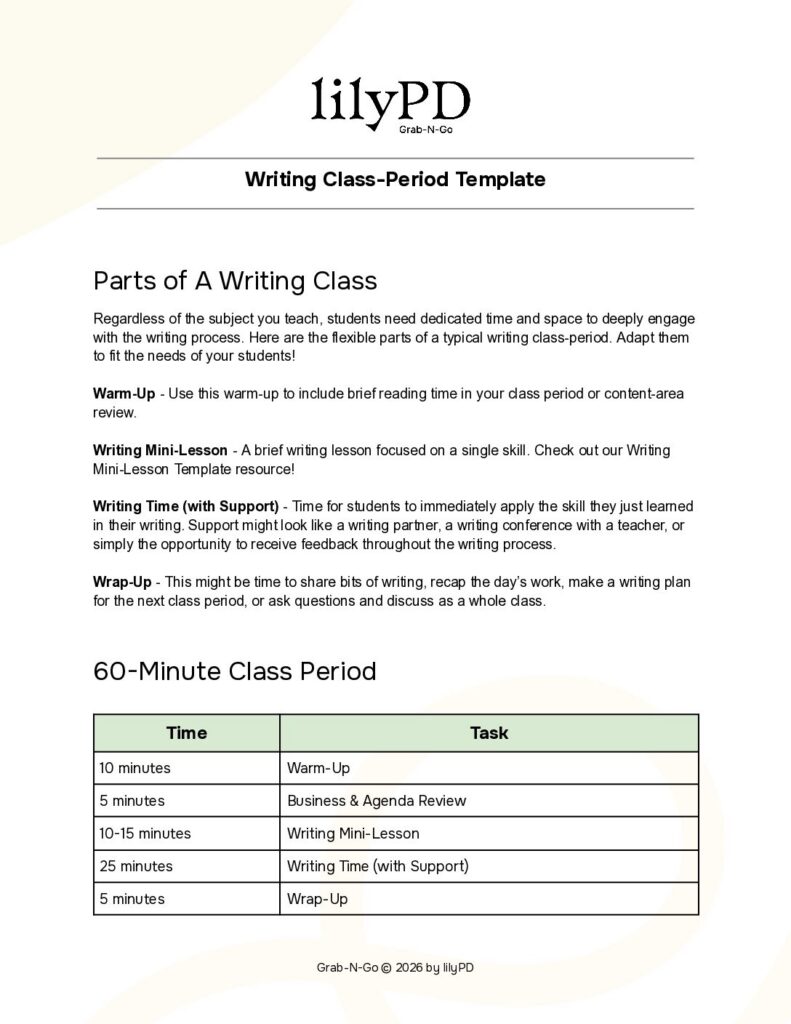
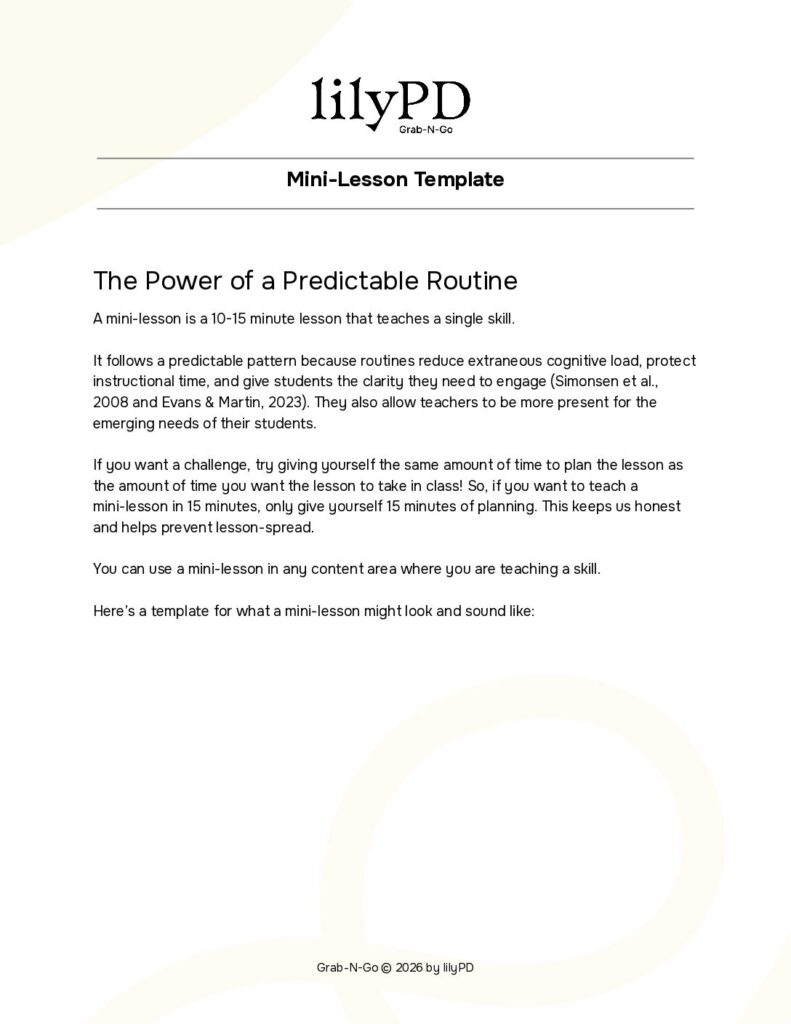
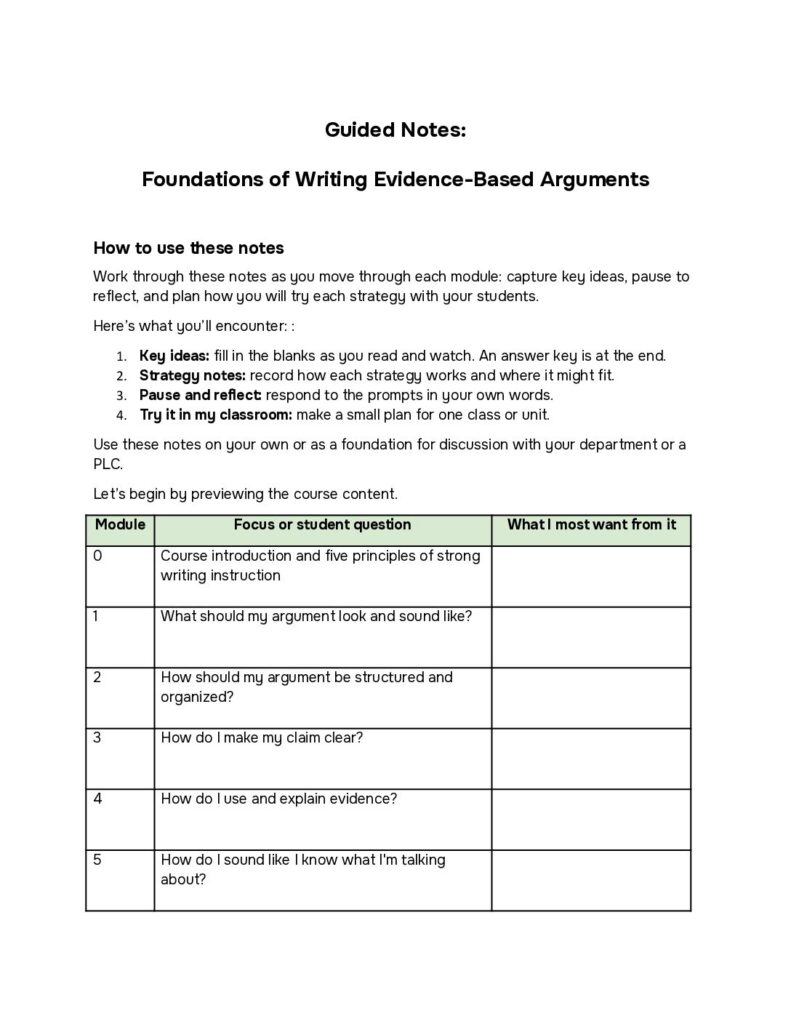
Guided Notes: Foundations of Building Evidence-Based Arguments
Course:
Foundations of Writing Evidence Based Arguments
Teacher Activity
4-12
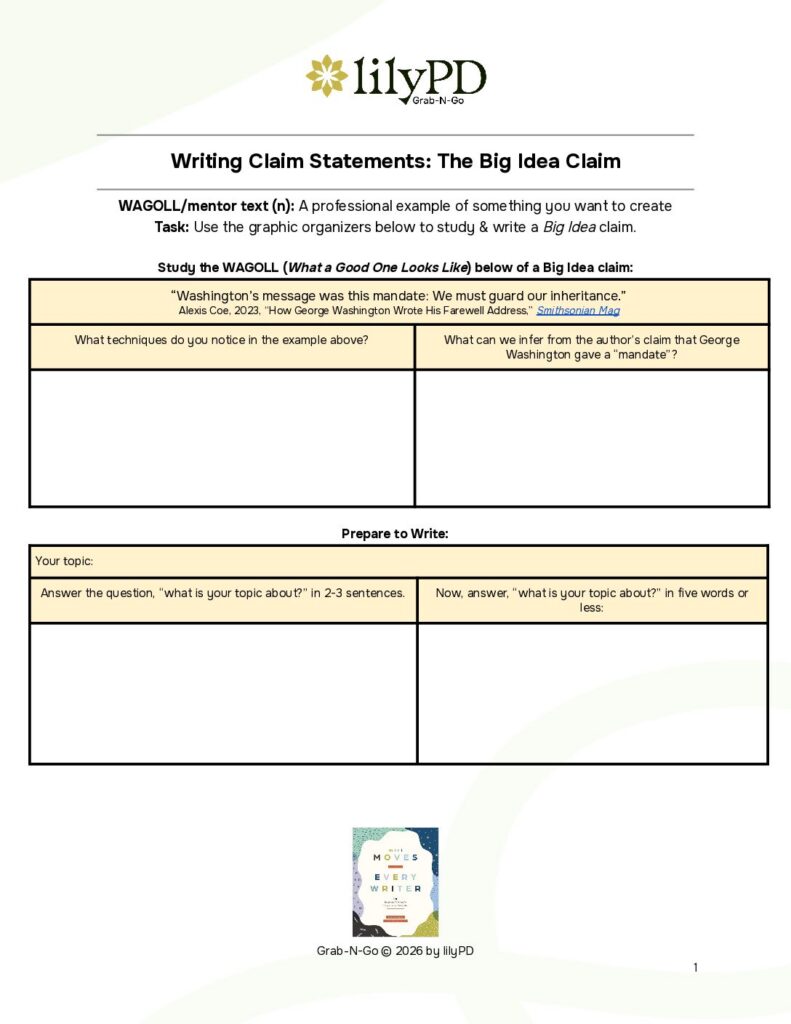
Writing Claim Statements: The Big Idea Claim
Course:
Project-Based Learning for Content Literacy
Student Activity
6-12
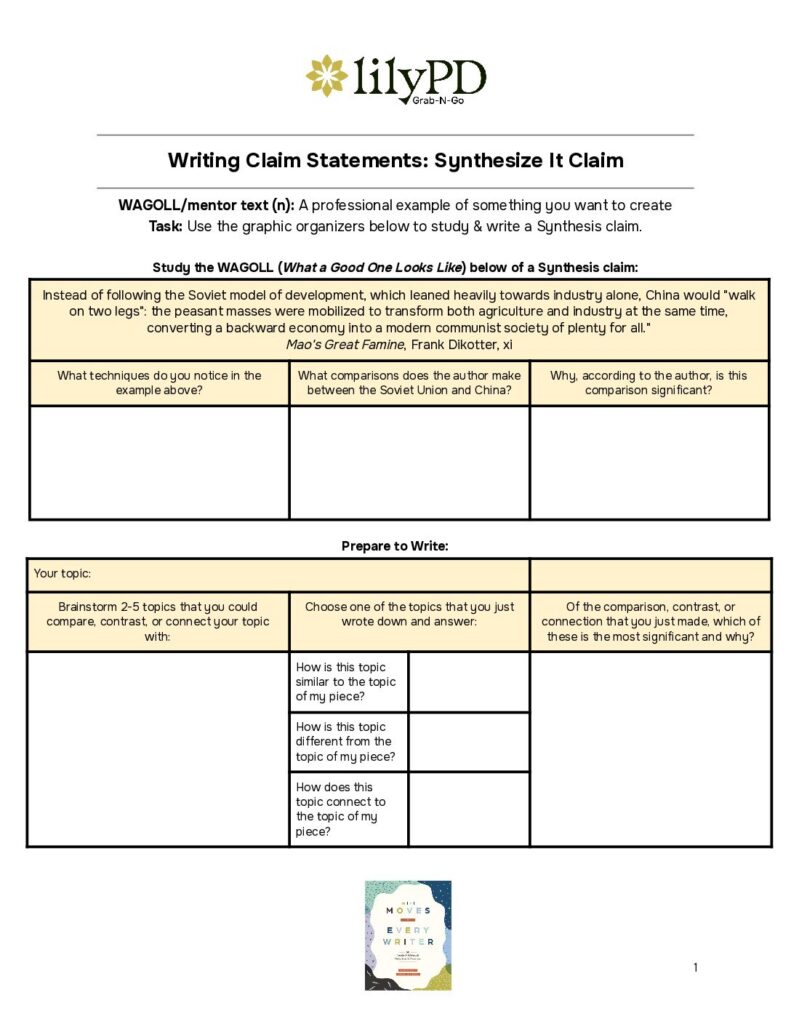
Writing Claim Statements: The “Synthesize It” Claim
Course:
Project-Based Learning for Content Literacy
Student Activity
6-12
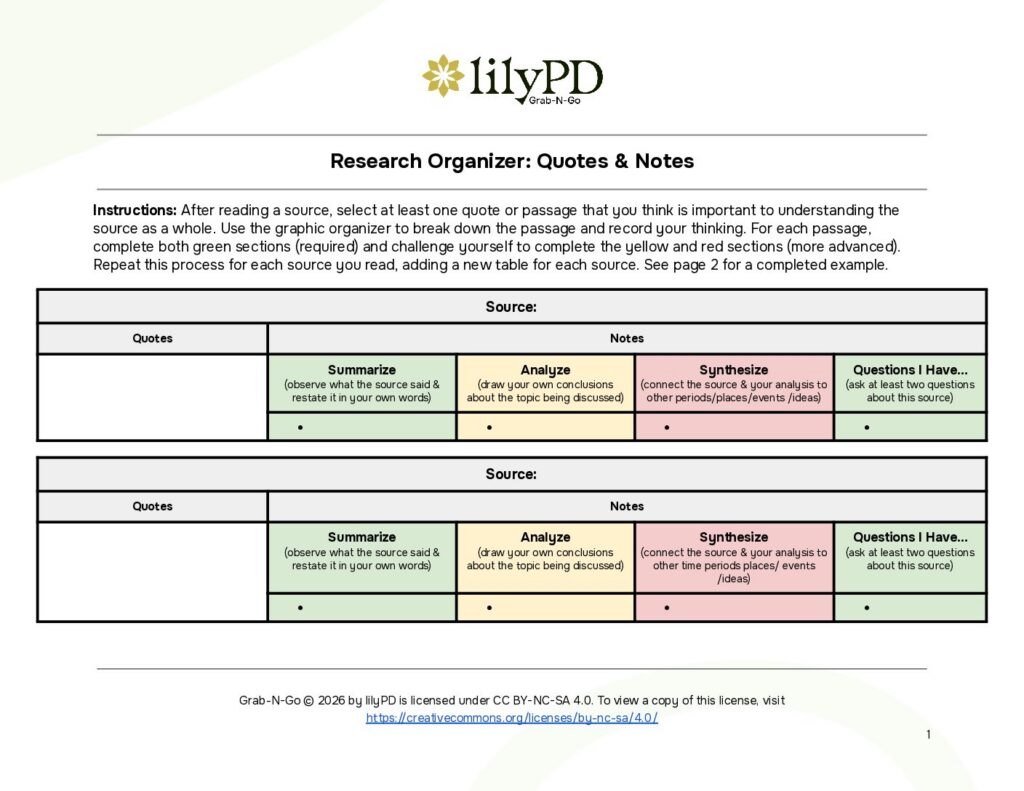
Research Organizer: Quotes & Notes
Course:
Project-Based Learning for Content Literacy
Student Activity
6-12
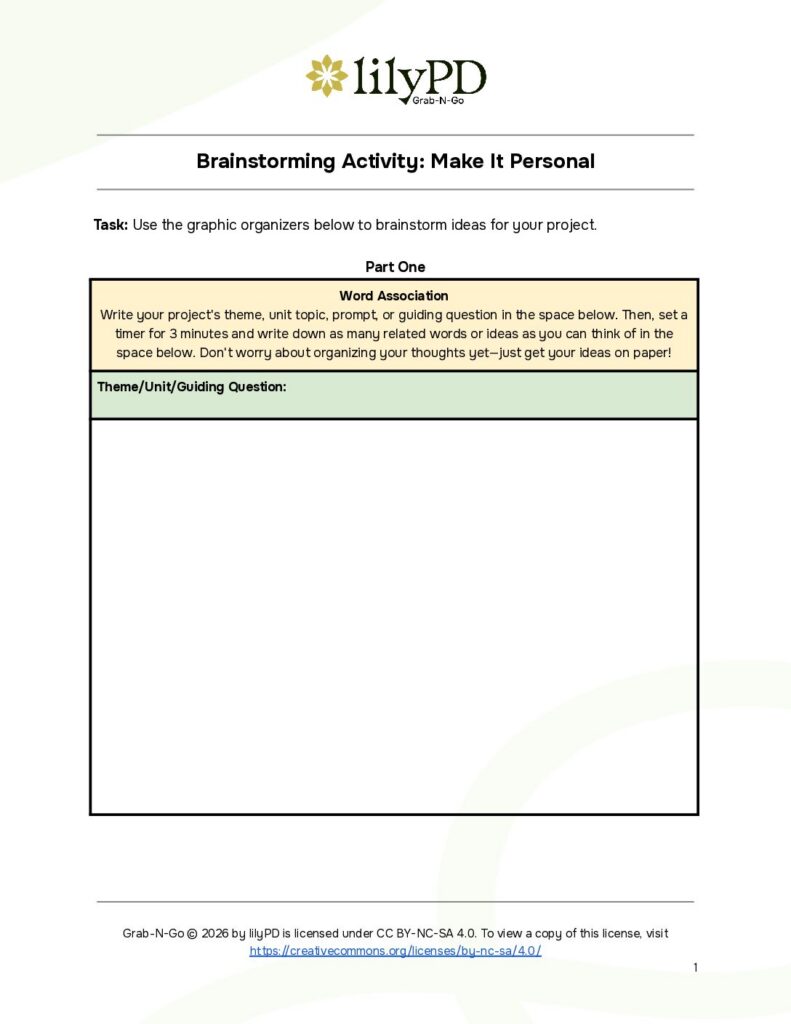
Brainstorming Activity: Make It Personal
Course:
Project-Based Learning for Content Literacy
Student Activity
6-12
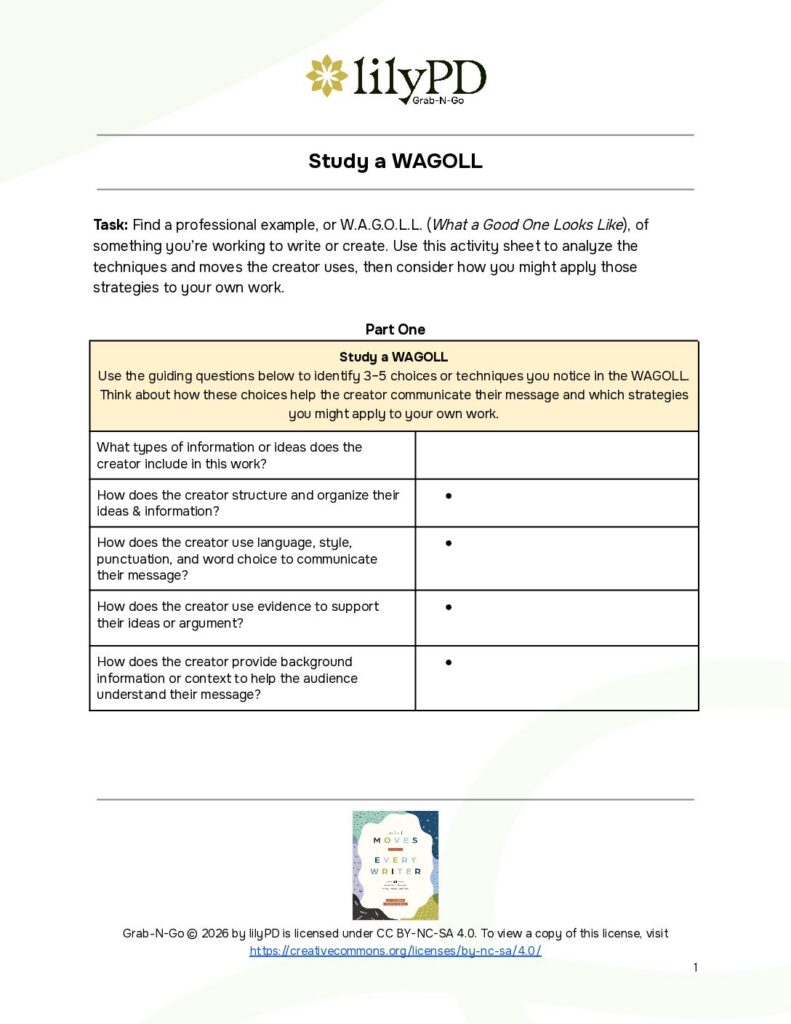
Study a Professional Example | Universal Student Activity Template
Course:
Project-Based Learning for Content Literacy
Student Activity
6-12
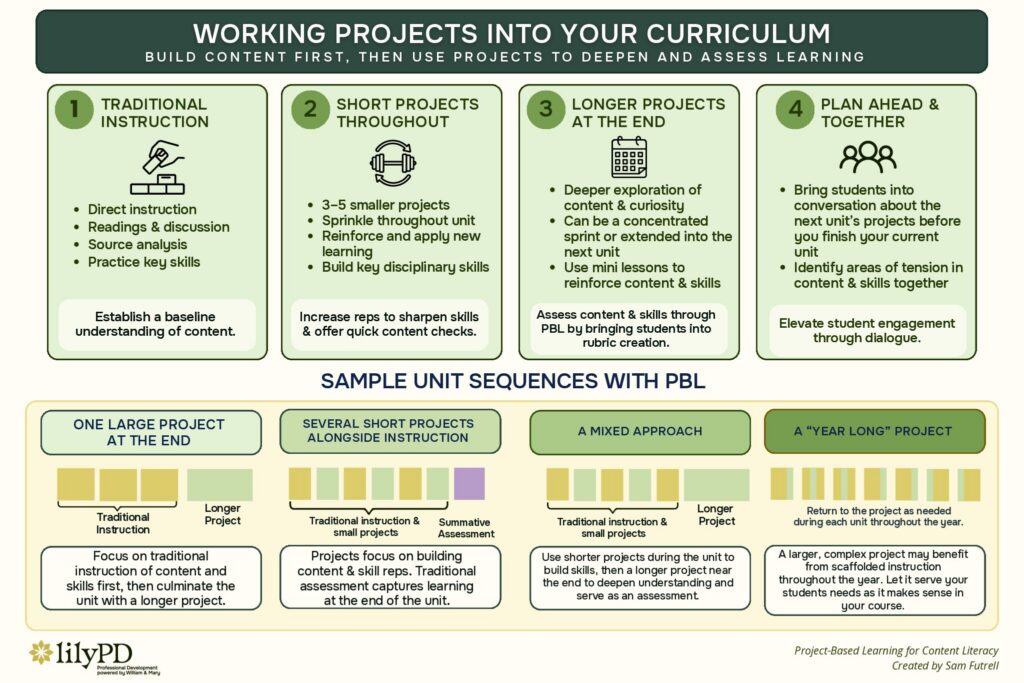
Project Based Learning for Content Literacy: Sample Unit Sequences
Course:
Project-Based Learning for Content Literacy
Project Plan
6-12
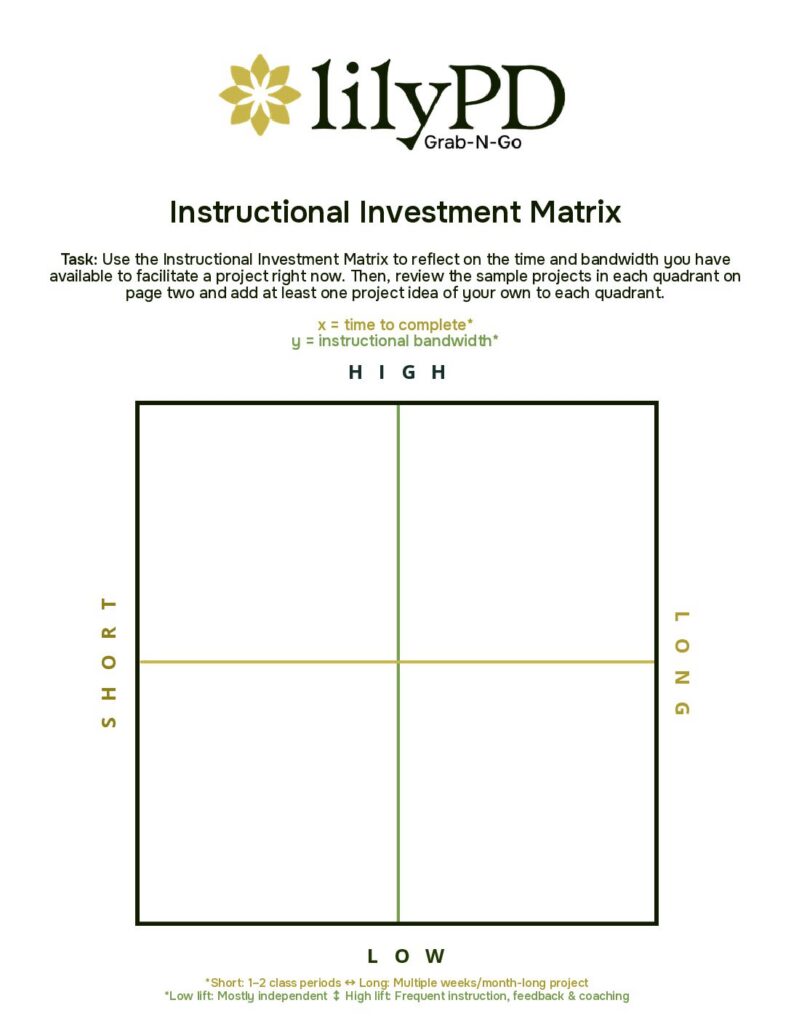
Assess Your Bandwidth with the Instructional Investment Matrix
Course:
Project-Based Learning for Content Literacy
Teacher Activity
6-12
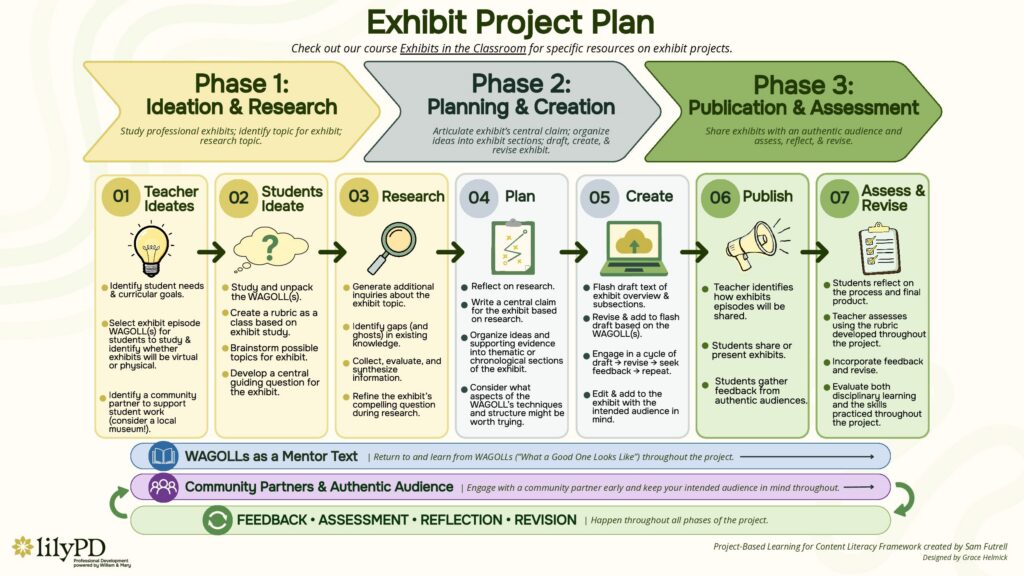
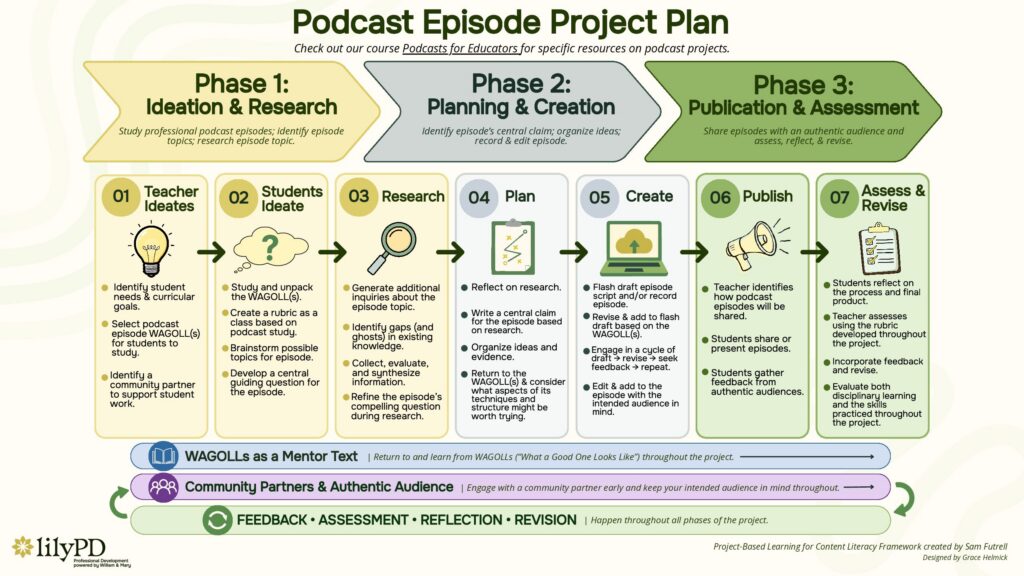
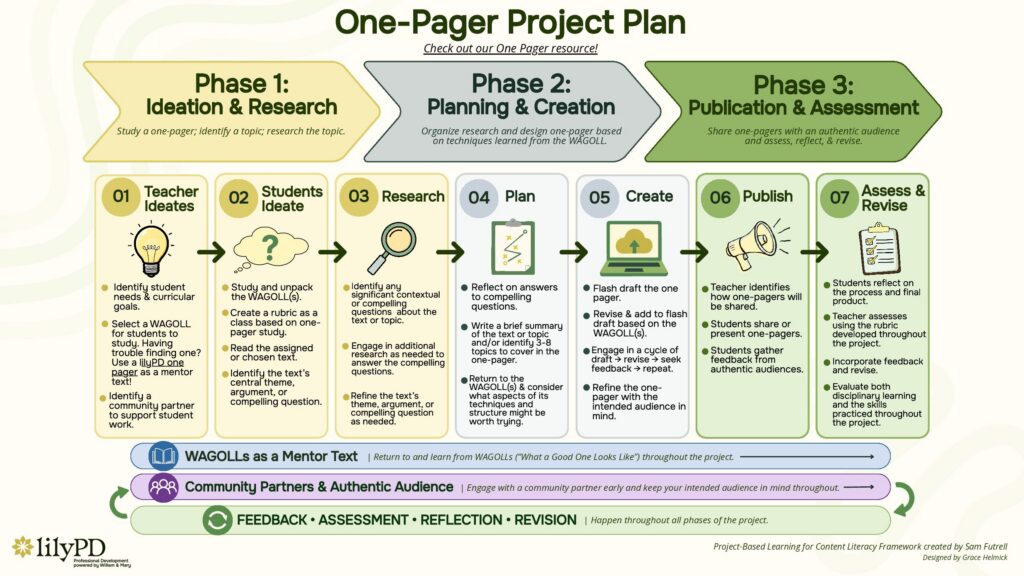
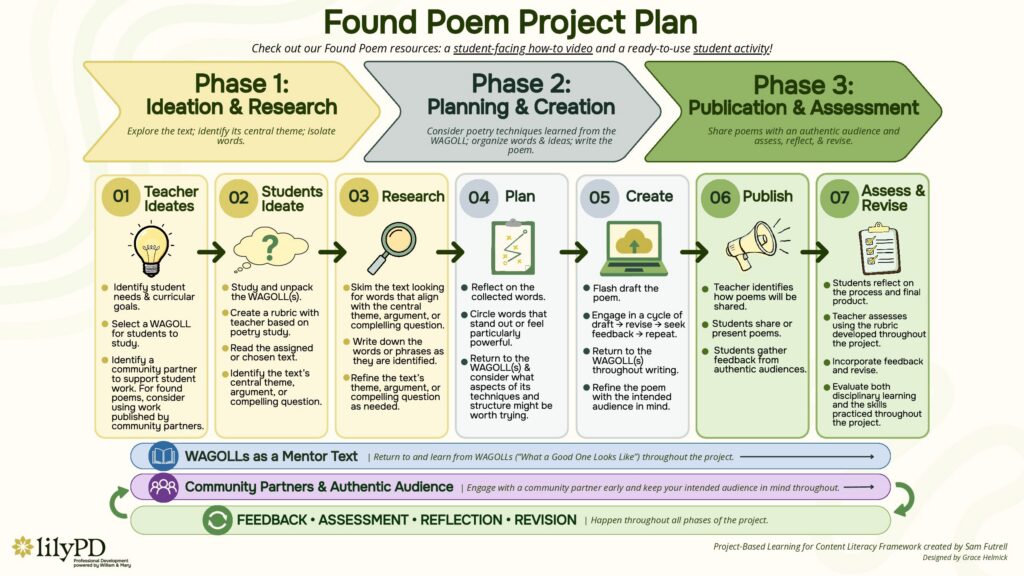
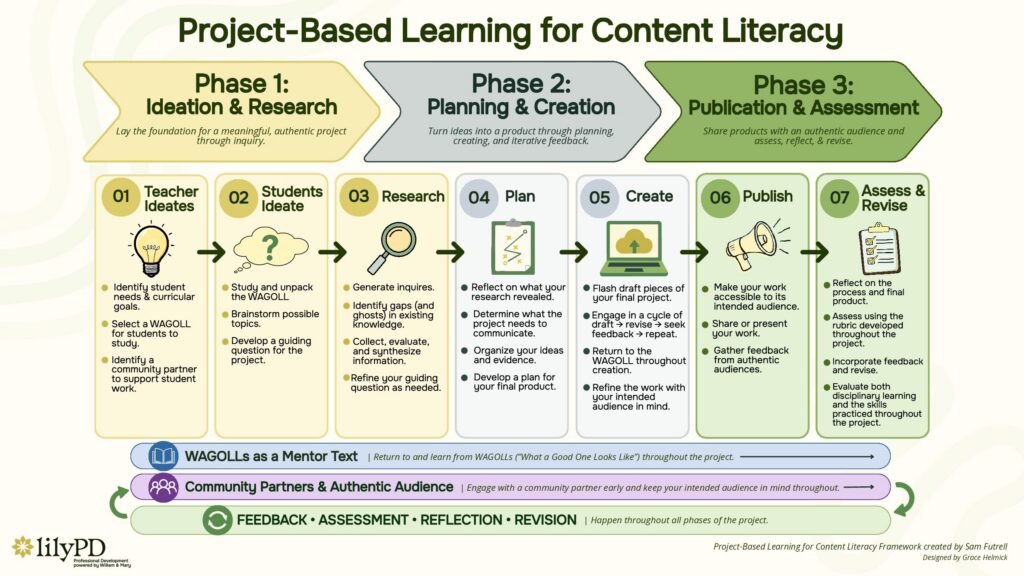
Project Based Learning for Content Literacy Framework
Course:
Project-Based Learning for Content Literacy
Anchor Chart
6-12
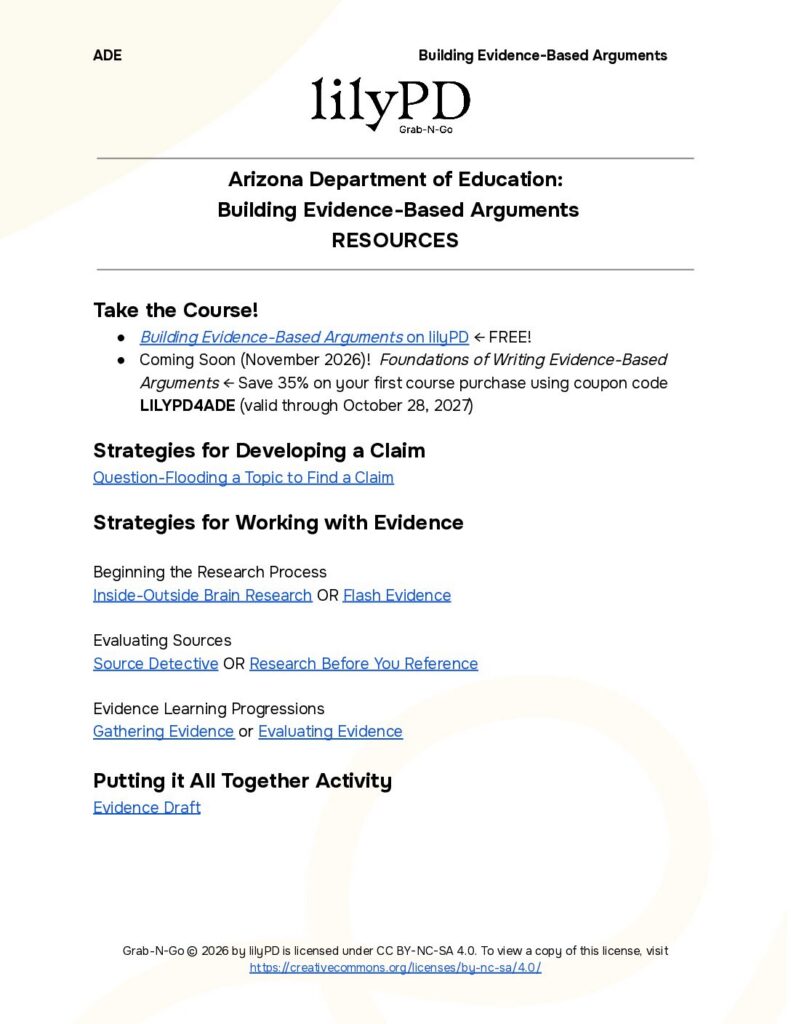
Arizona Department of Education | Resources for Building Evidence-Based Arguments
Course:
Building Evidence Based Arguments
Partner Collection
4-12
2.3 Visualization – Working Projects into Your Curriculum
Course:
Project-Based Learning for Content Literacy
Teacher Activity
K-12
1.3 Instructional Investment Matrix
Course:
Project-Based Learning for Content Literacy
Teacher Activity
6-12
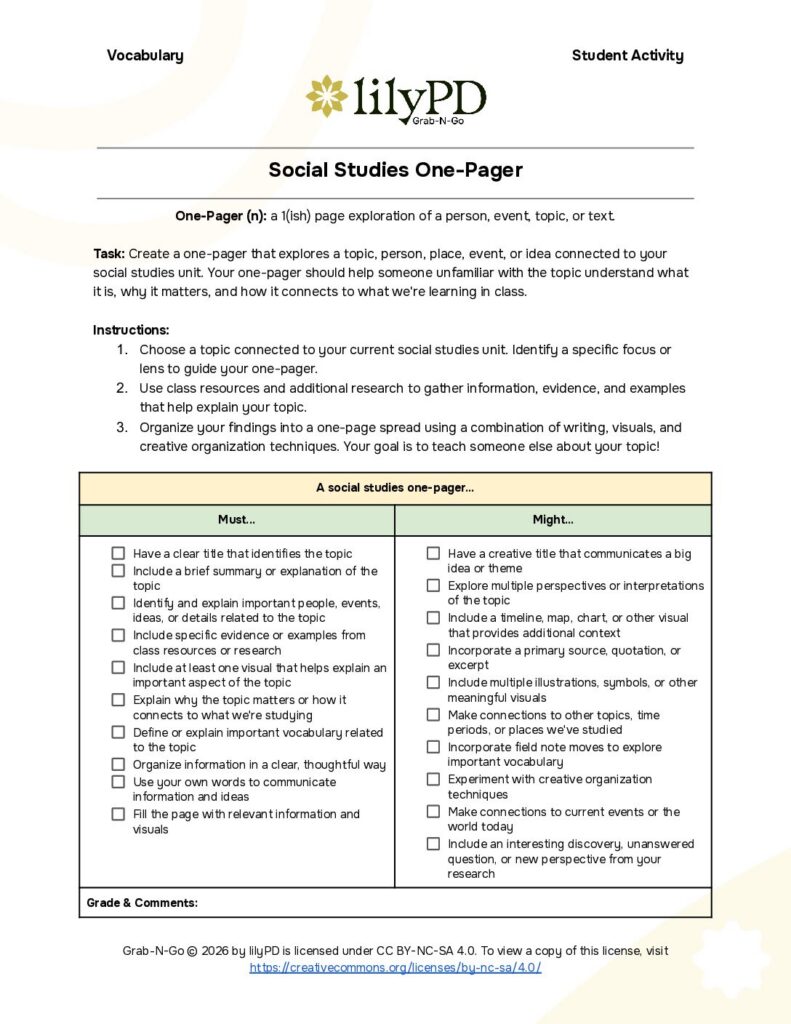
Social Studies One-Pager: A Creative Research Activity
Course:
Project-Based Learning for Content Literacy
Student Activity
6-12
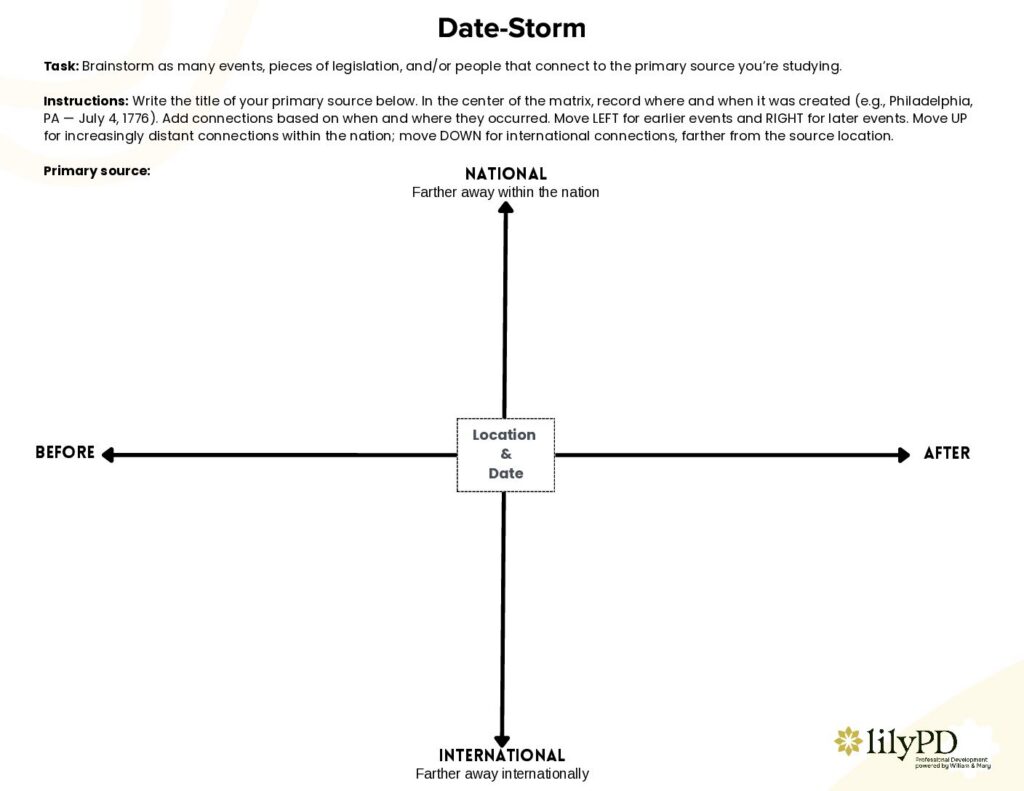
Geography & Chronology Activity: Date-Storm
Course:
Historical Inquiry in the Classroom
Student Activity
6-12
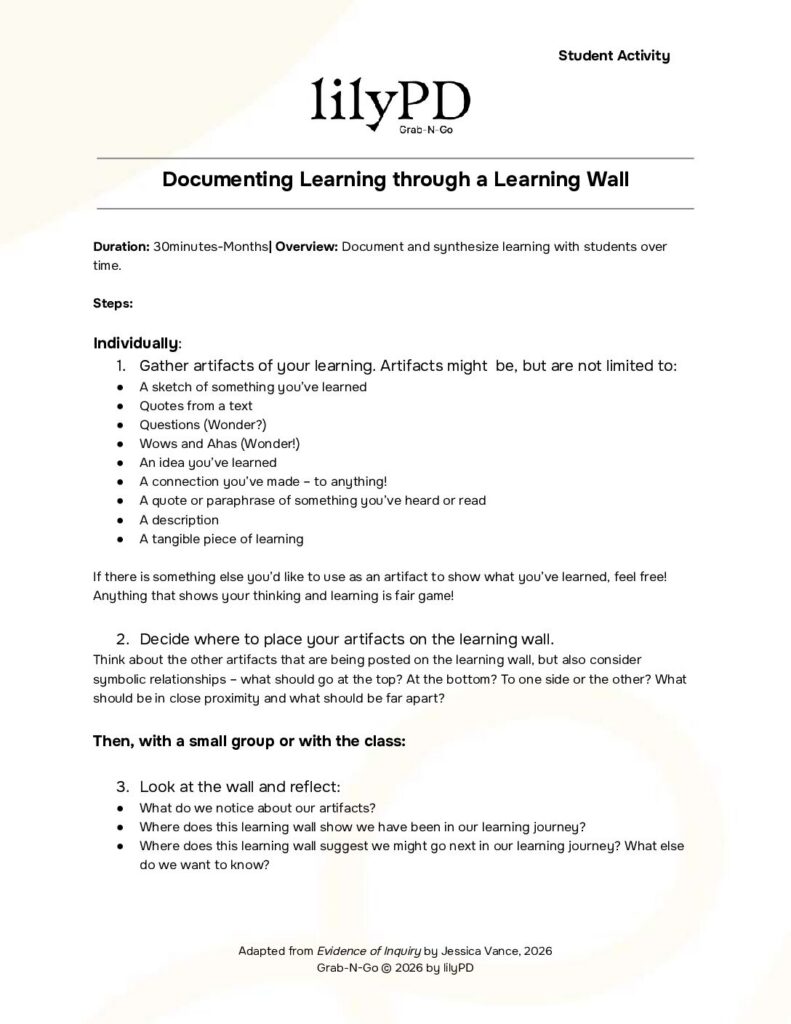
Documenting Learning through Learning Walls
Course:
The Horizon of Independence
Student Activity
K-12
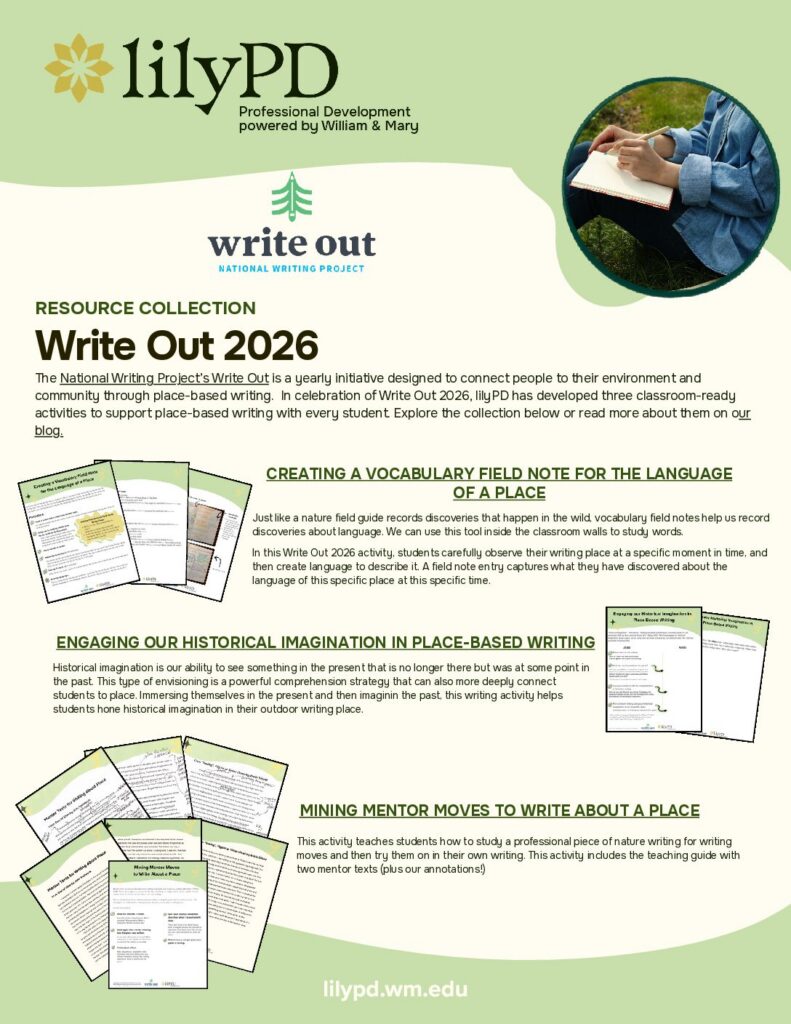
Place-Based Writing | Write Out 2026 Resource Collection
Course:
Building Evidence Based Arguments
Partner Collection
4-12
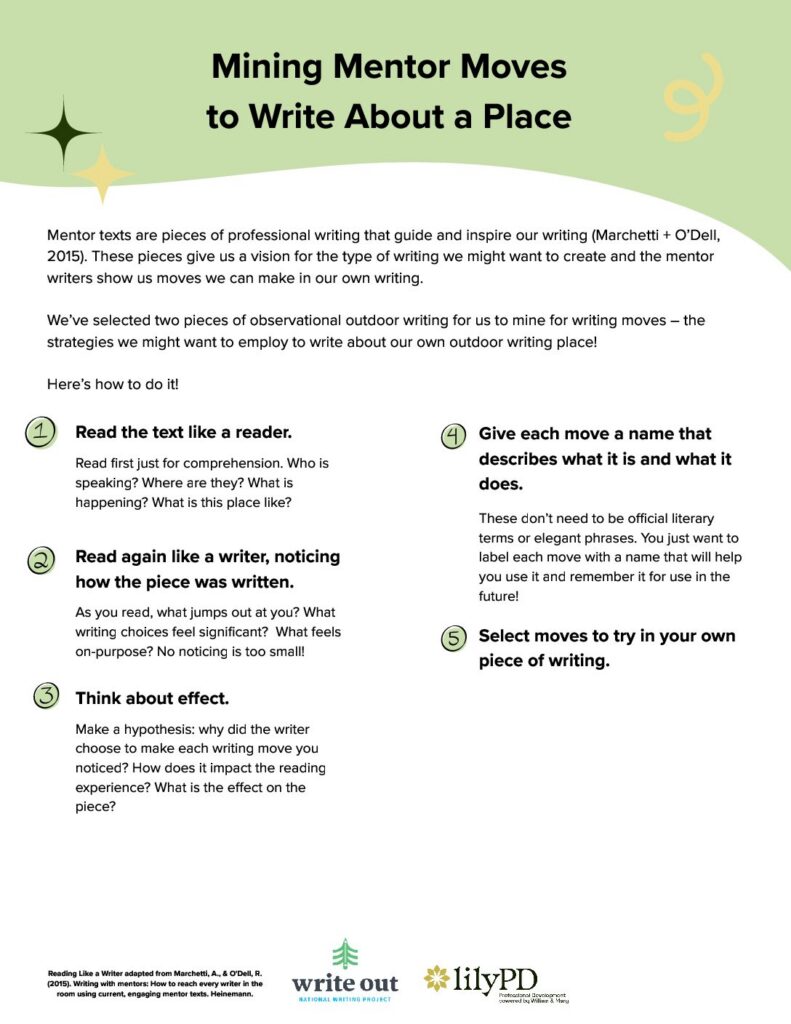
How to Study a Mentor Text About a Place (Write Out 2026)
Course:
Building Evidence Based Arguments
Student Activity
9-12
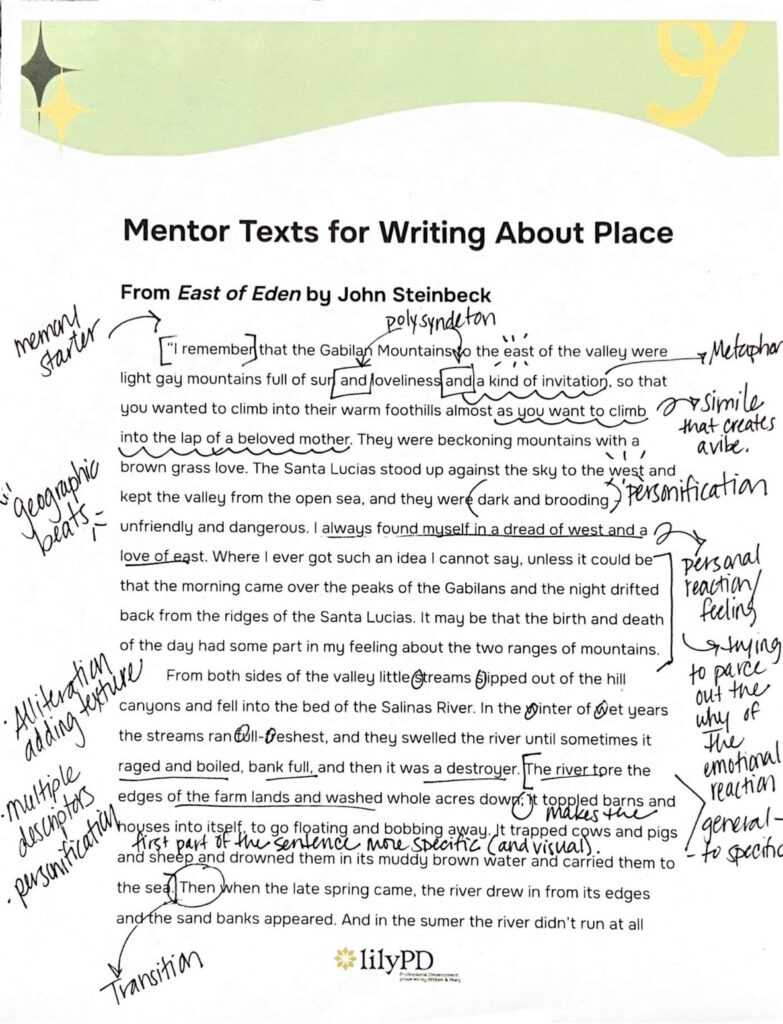
Annotated Mentor Texts for Writing About Place (Write Out 2026)
Course:
Building Evidence Based Arguments
Student Activity
9-12
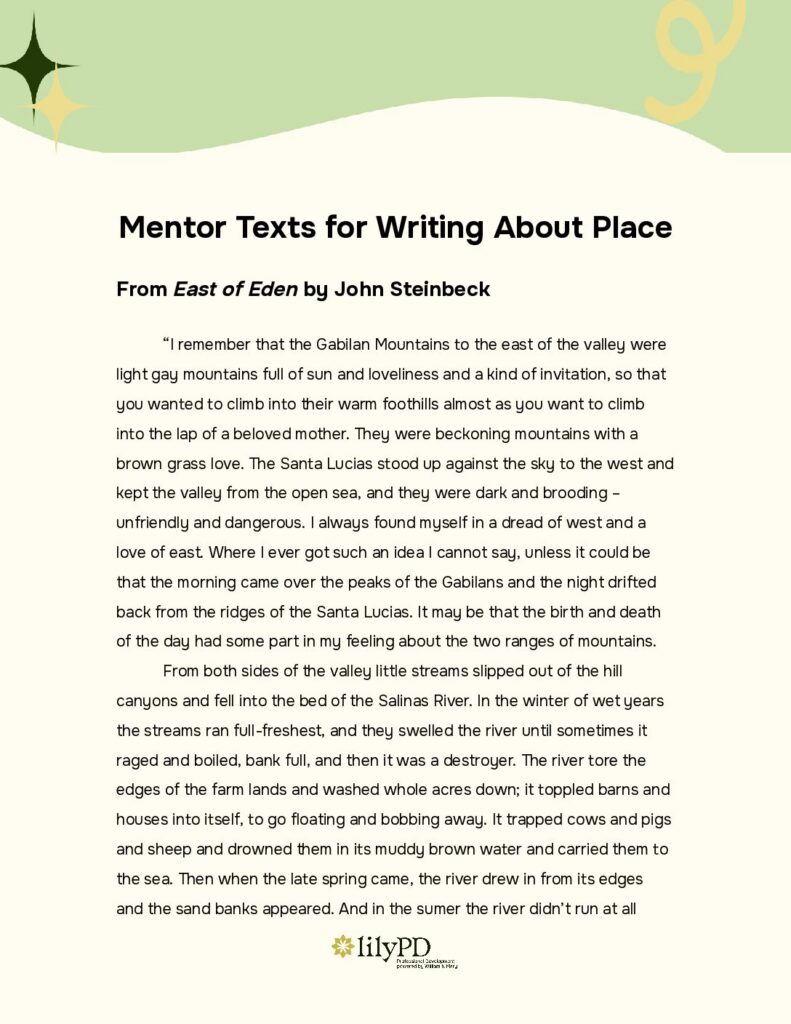
Mentor Texts for Writing About Place (Write Out 2026)
Course:
Building Evidence Based Arguments
Student Activity
4-12
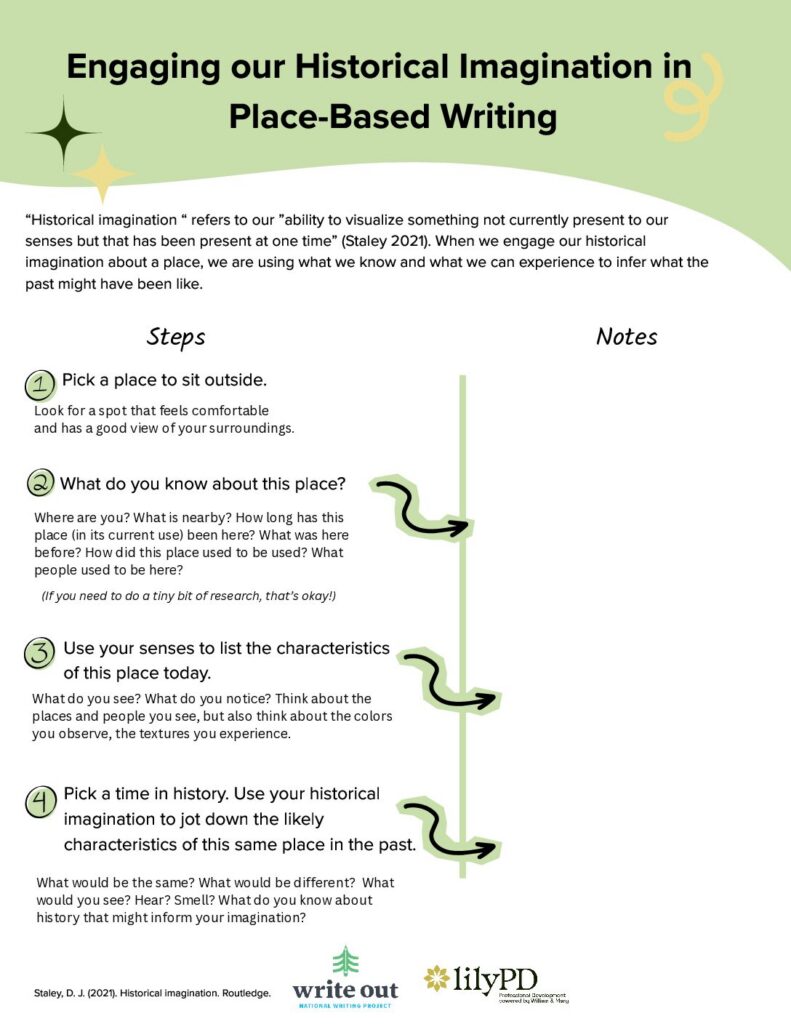
Engaging our Historical Imagination in Place-Based Writing (Write Out 2026)
Course:
Building Evidence Based Arguments
New
Student Activity
4-12
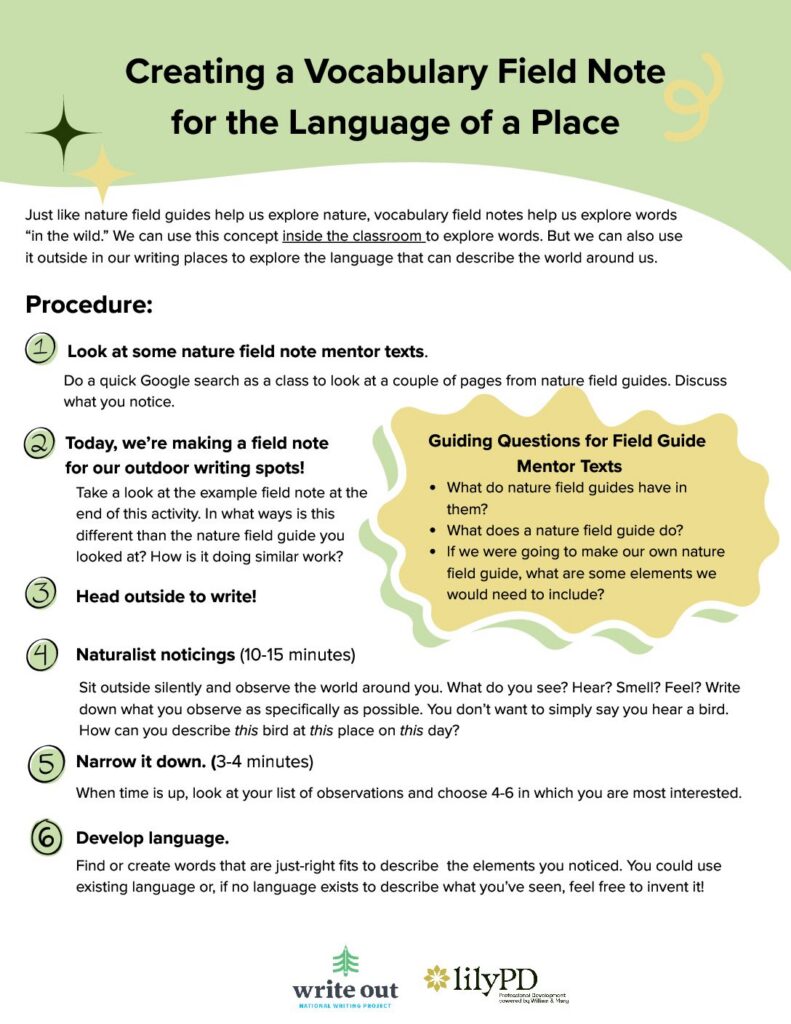
Field Note: Exploring the Language of Place (Write Out 2026)
Course:
Building Evidence Based Arguments
New
Student Activity
K-12
Evaluating Information – Applying the CRAAP Test
Course:
Building Evidence Based Arguments
New
Student Activity
6-12
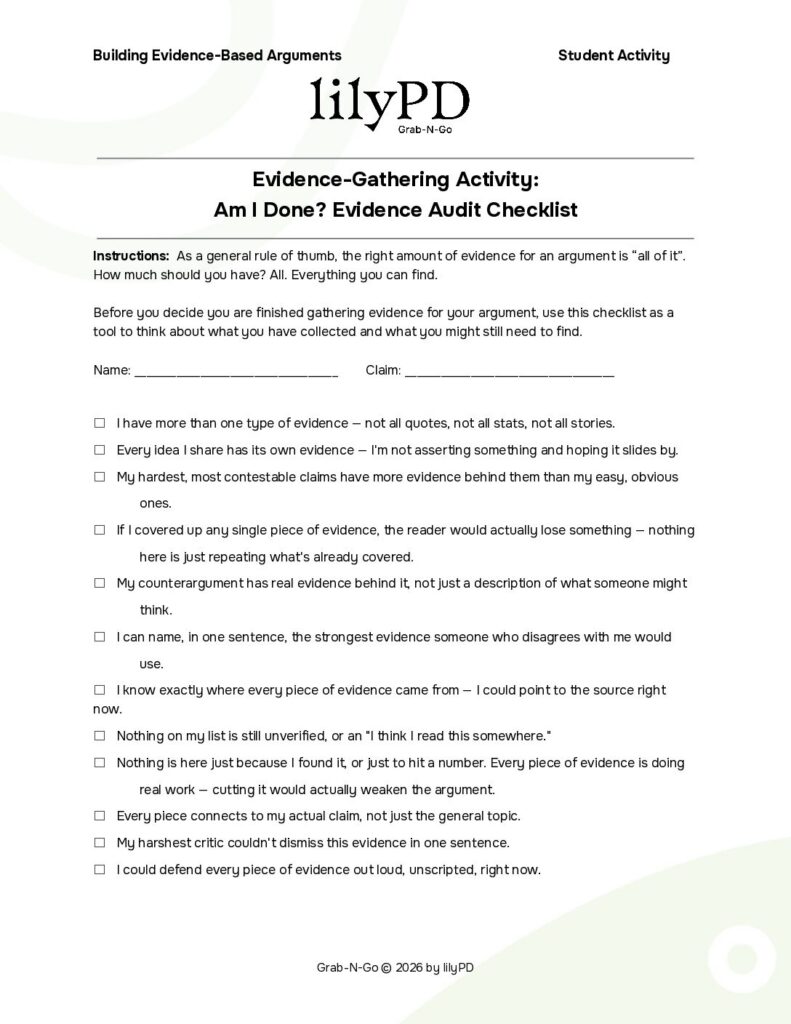
Evidence-Gathering Activity: Am I Done? Evidence Audit Checklist
Course:
Building Evidence Based Arguments
Student Activity
4-12
Argument Strategy: Claim or Not-a-Claim Game (Older Students)
Course:
Building Evidence Based Arguments
Student Activity
6-12

Argument Strategy: Claim or Not-a-Claim Game (Younger Students)
Course:
Building Evidence Based Arguments
Student Activity
4-7

One-Minute Arguments with 250 to 250 Slides
Course:
Building Evidence Based Arguments
Teaching Guide
4-12
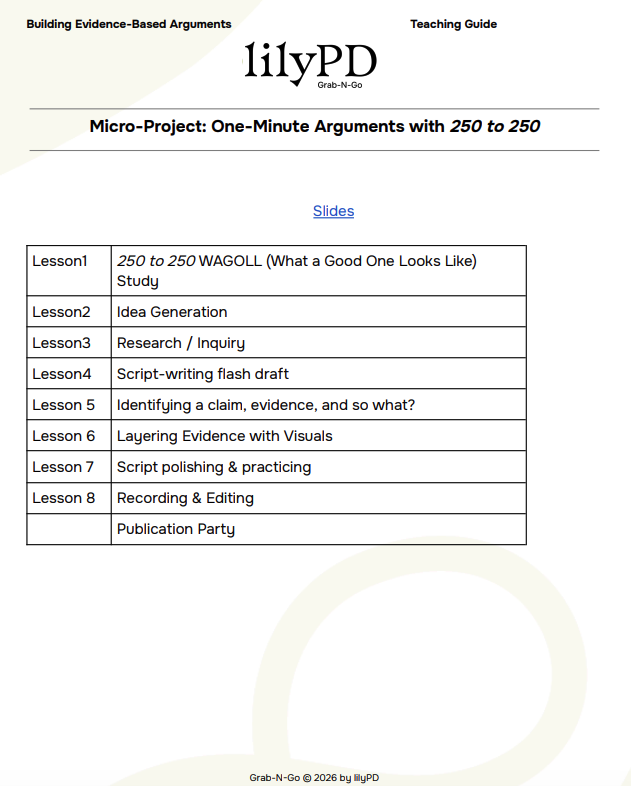
Micro-Project: One-Minute Arguments with 250 to 250
Course:
Building Evidence Based Arguments
Teaching Guide
4-12
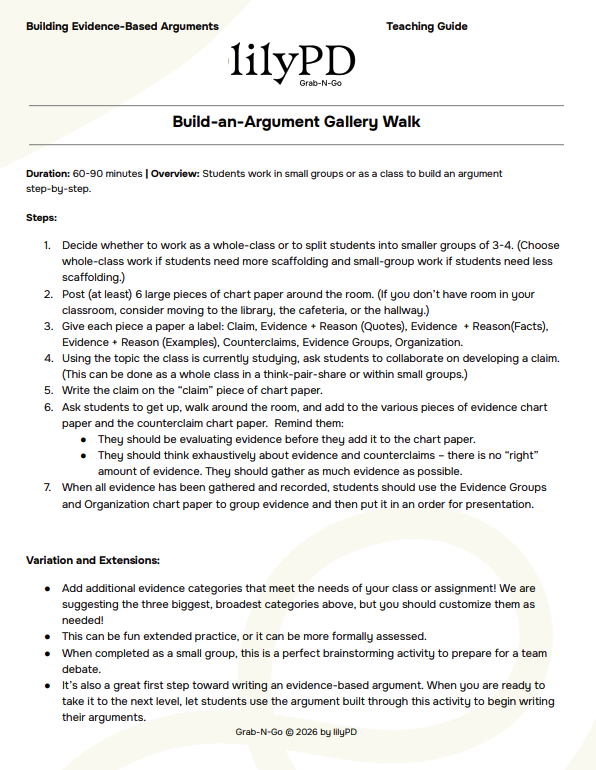
Argument-Building Practice: Build-an-Argument Gallery Walk
Course:
Building Evidence Based Arguments
Teaching Guide
4-12
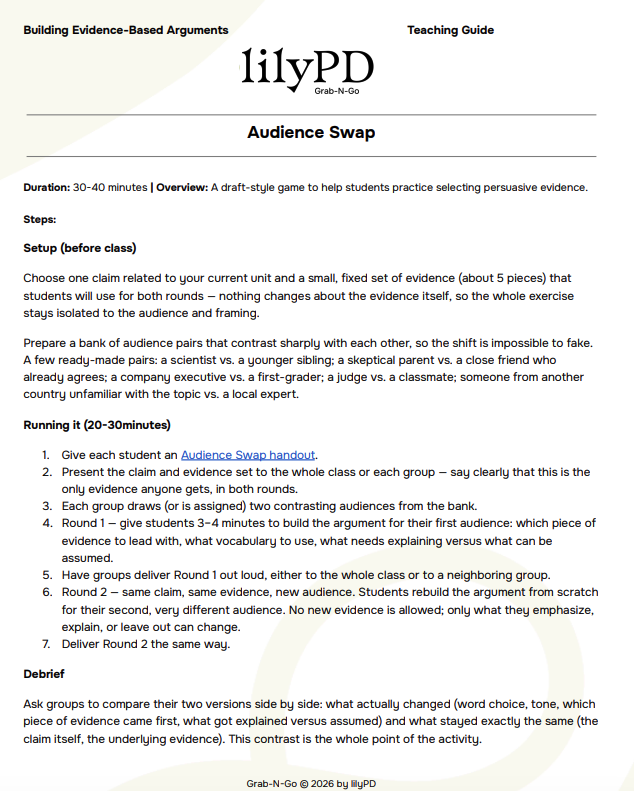
Argument-Building Practice: Audience Swap
Course:
Building Evidence Based Arguments
Teaching Guide
4-12
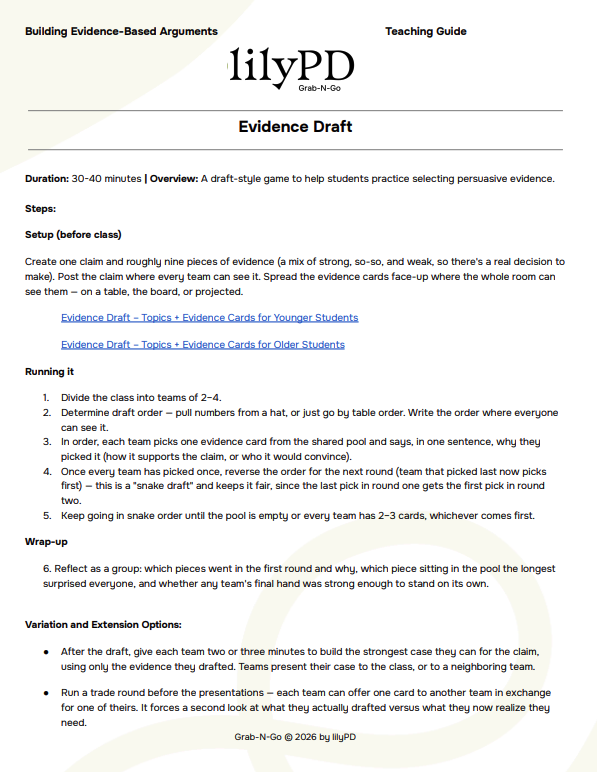
Argument-Building Practice: Evidence Draft
Course:
Building Evidence Based Arguments
Teaching Guide
4-12
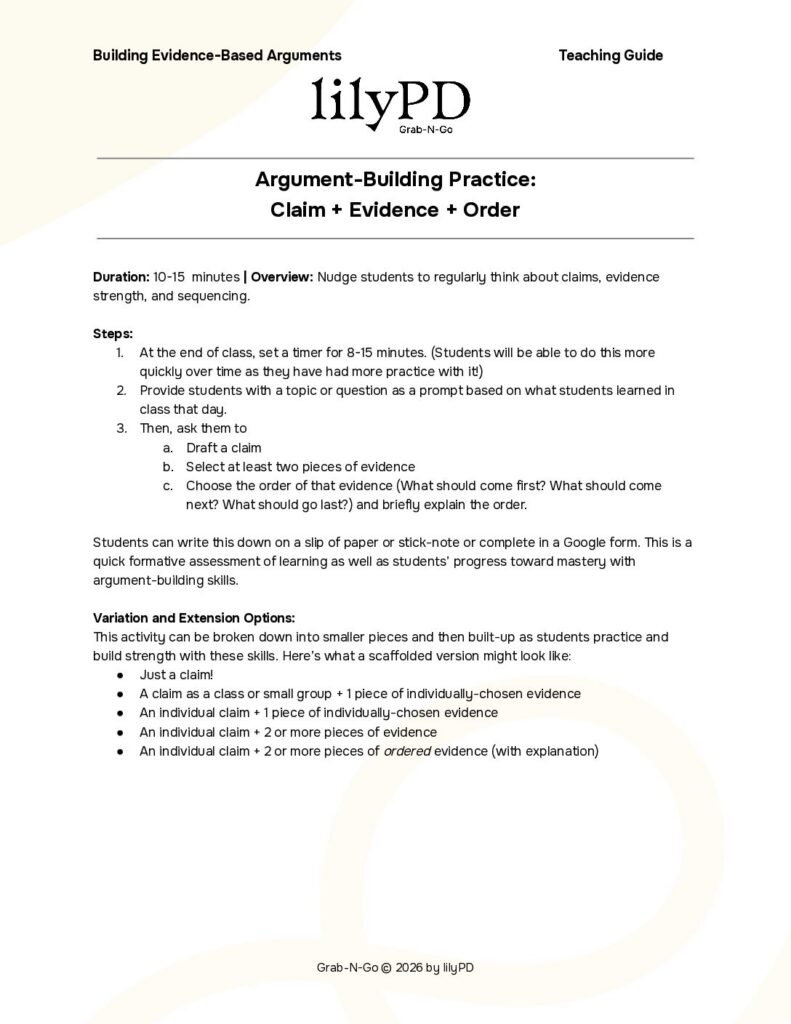
Argument-Building Practice: Claim + Evidence + Order
Course:
Building Evidence Based Arguments
Teaching Guide
4-12
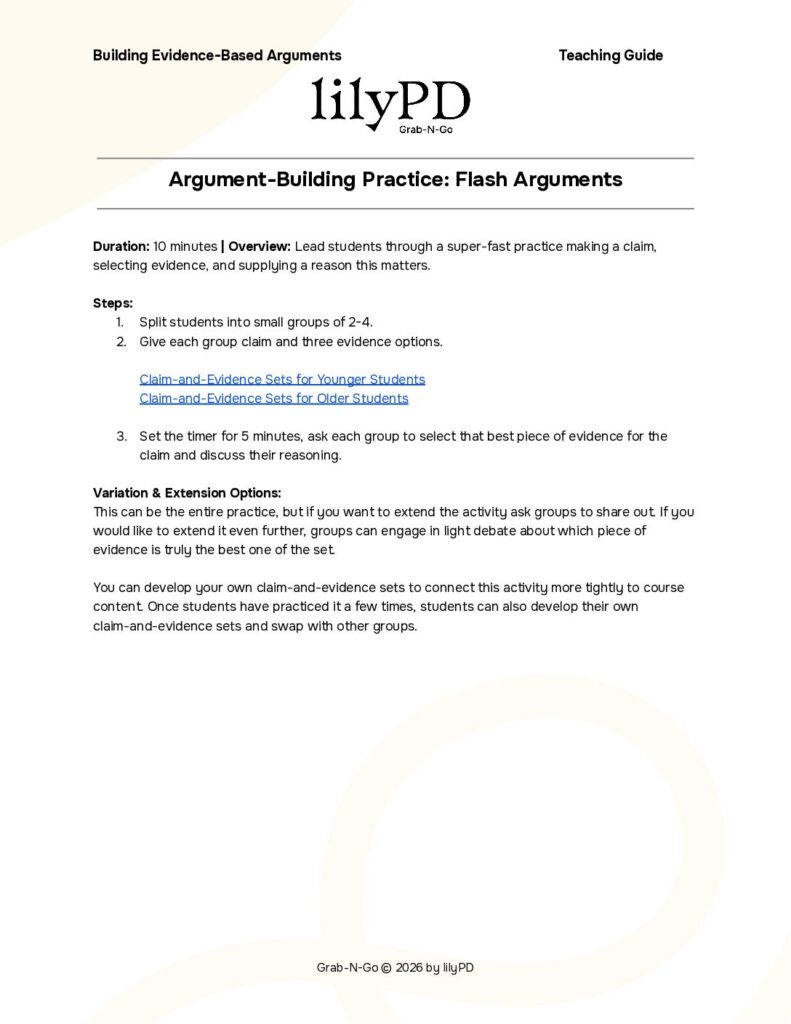
Argument-Building Practice: Flash Argument
Course:
Building Evidence Based Arguments
Teaching Guide
4-12
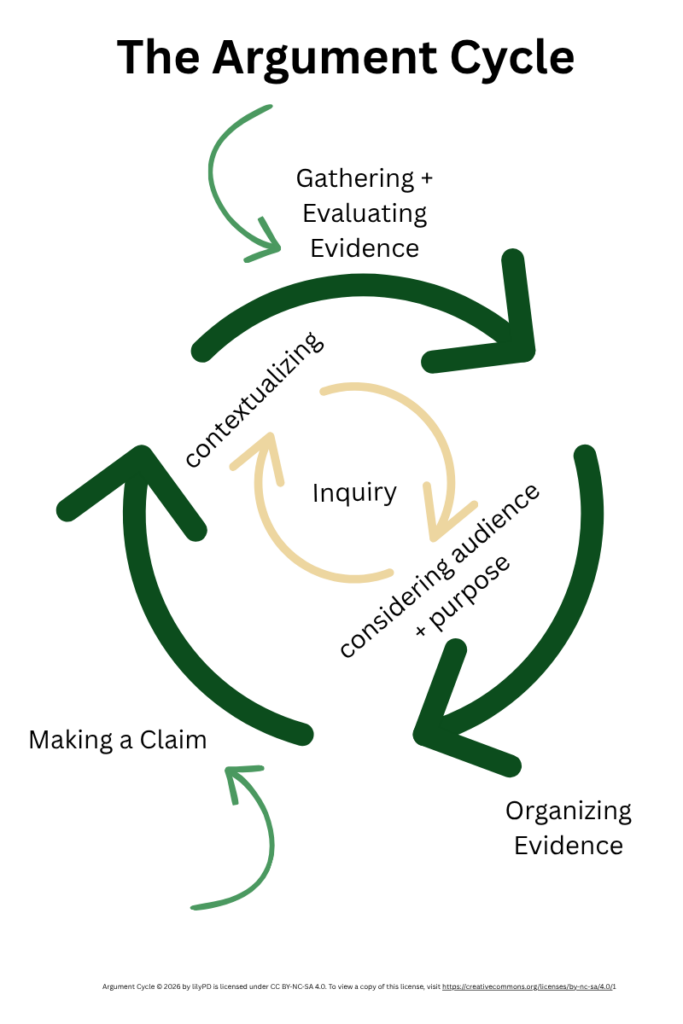
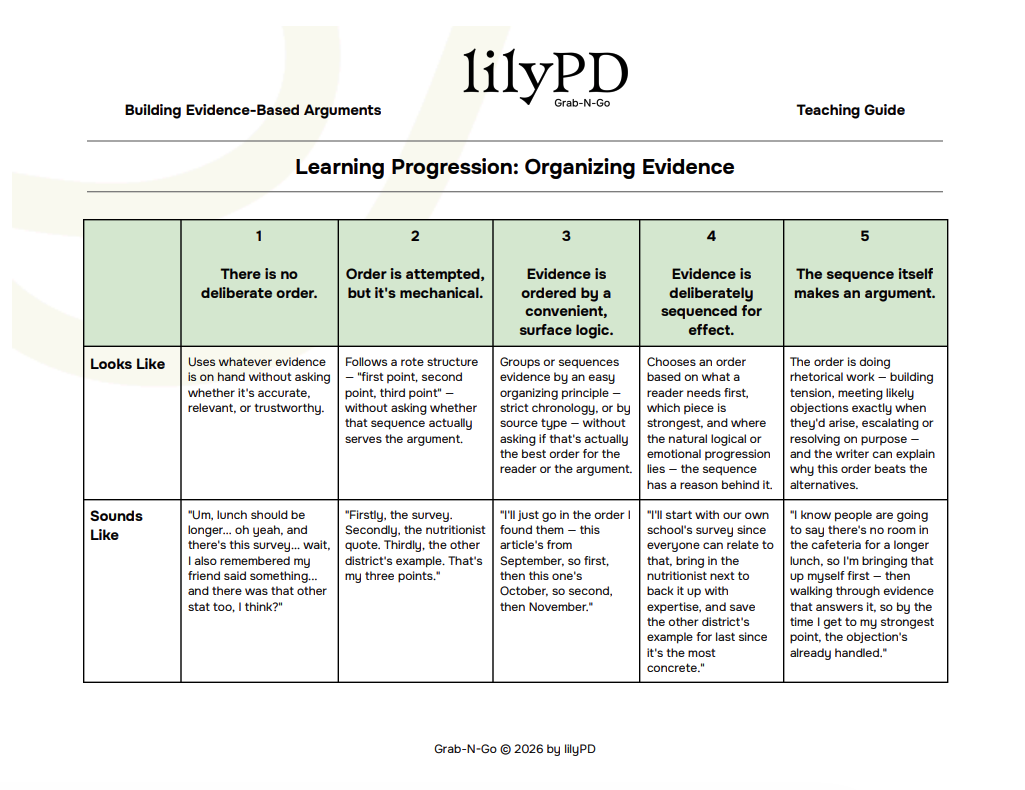
Learning Progression: Organizing Evidence
Course:
Building Evidence Based Arguments
Teaching Guide
K-12
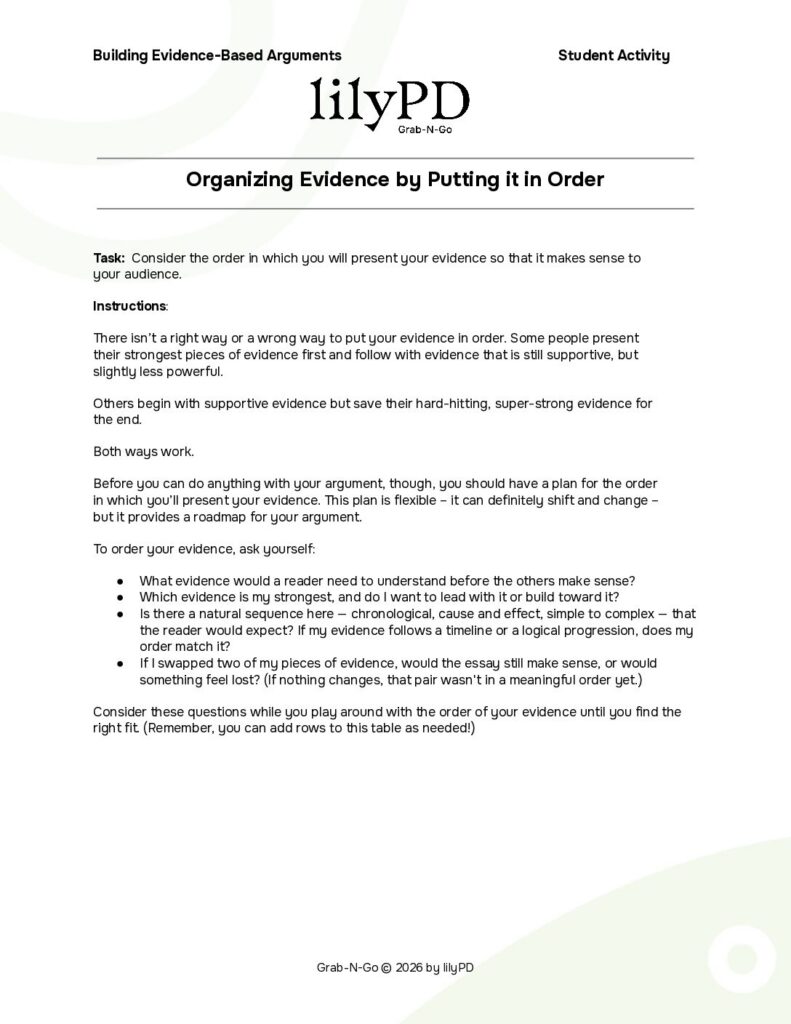
Organizing Evidence by Putting it in Order
Course:
Building Evidence Based Arguments
Student Activity
6-12
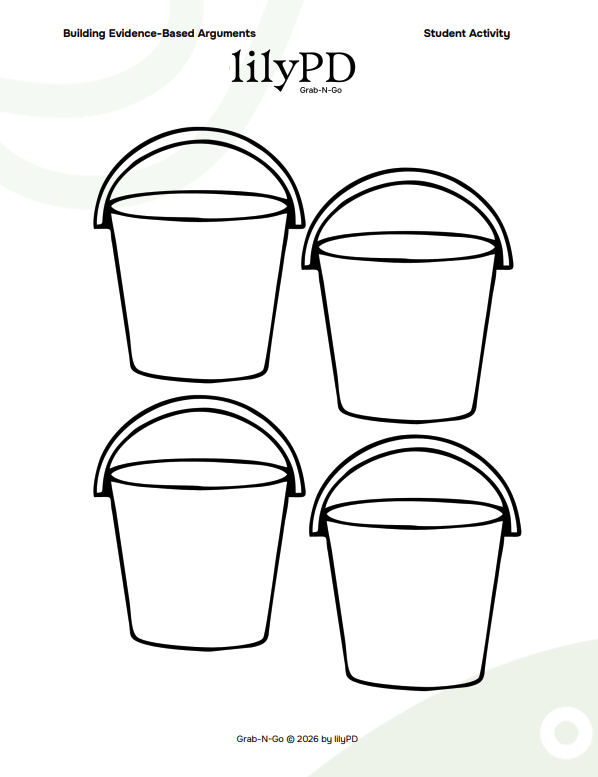
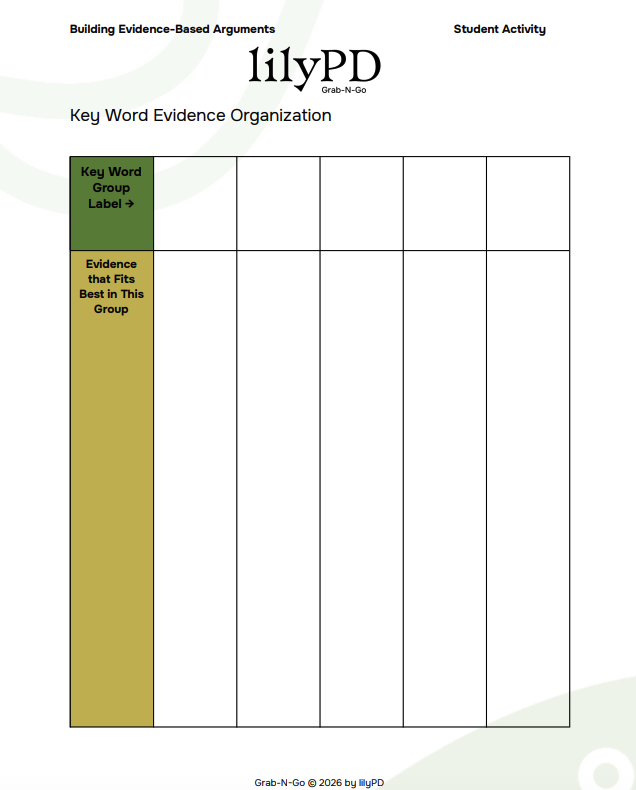
Organizing Evidence with Evidence Buckets
Course:
Building Evidence Based Arguments
Student Activity
4-12
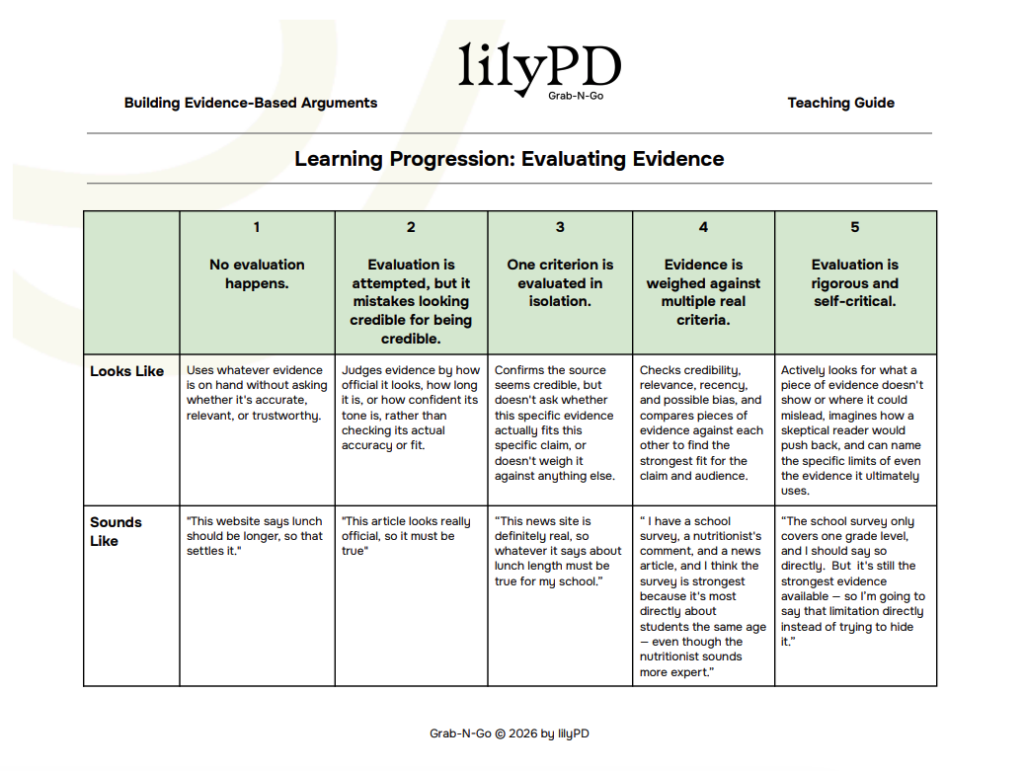
Learning Progression: Evaluating Evidence
Course:
Building Evidence Based Arguments
Teaching Guide
K-12
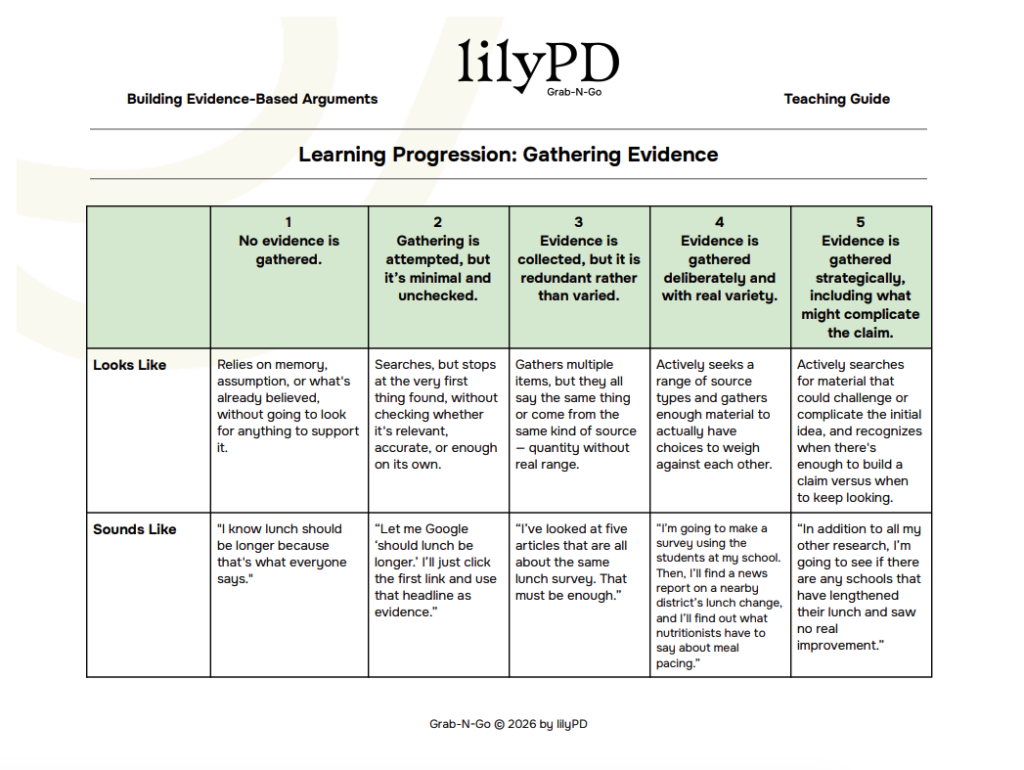
Learning Progression: Gathering Evidence
Course:
Building Evidence Based Arguments
Teaching Guide
K-12
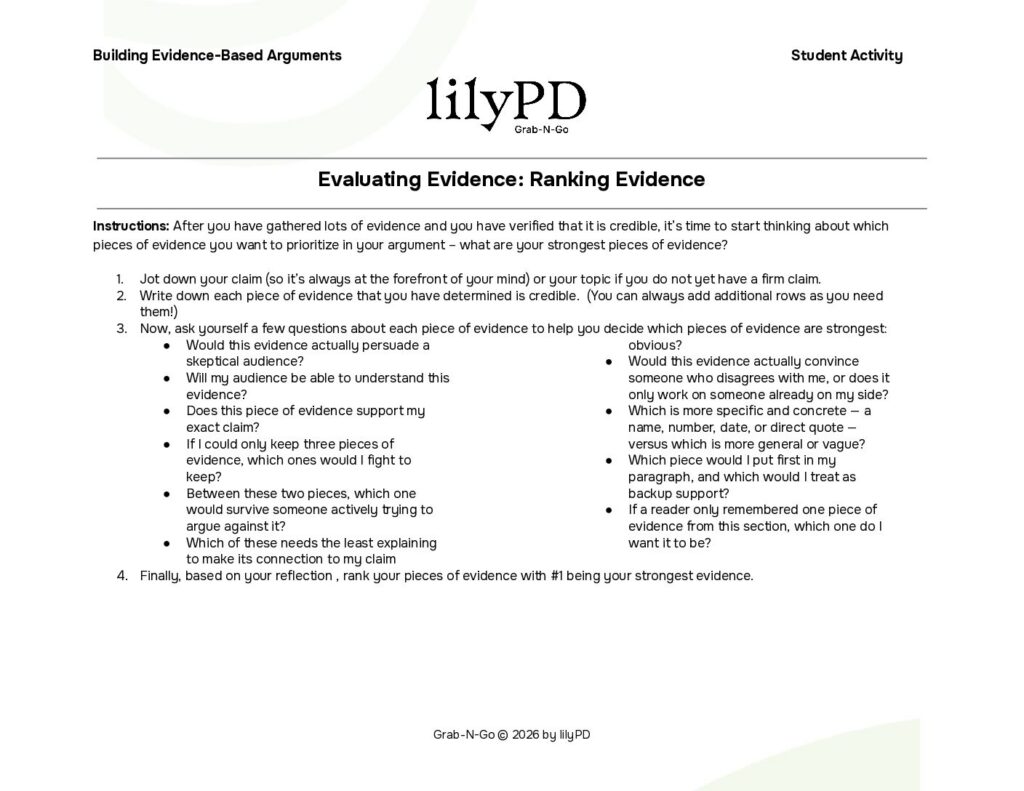
Evaluating Evidence: Ranking Evidence
Course:
Building Evidence Based Arguments
Student Activity
9-12
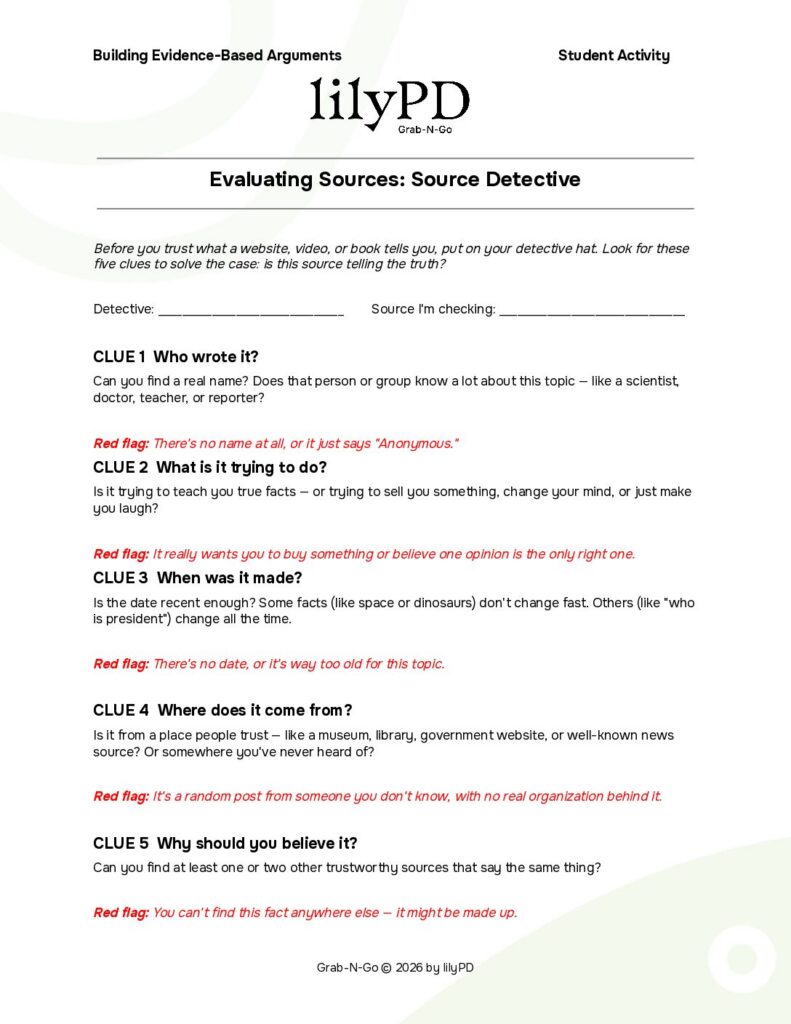
Evaluating Evidence: Source Detective
Course:
Building Evidence Based Arguments
Student Activity
4-7
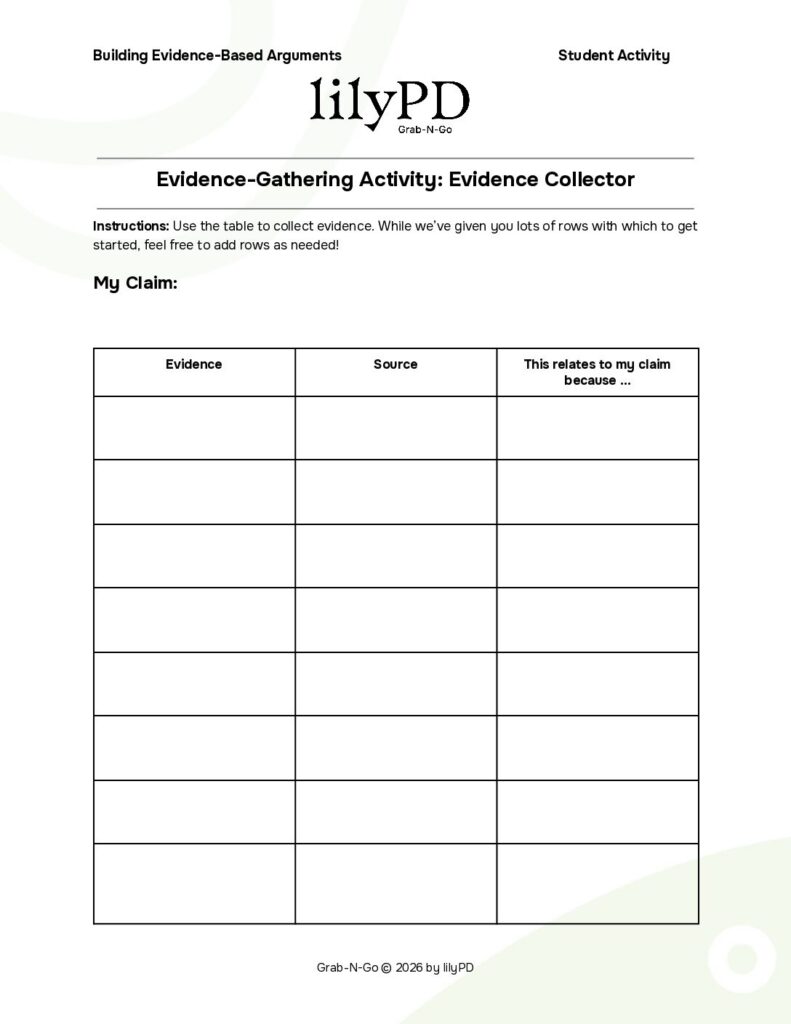
Evidence-Gathering Activity: Evidence Collector
Course:
Building Evidence Based Arguments
Student Activity
6-12
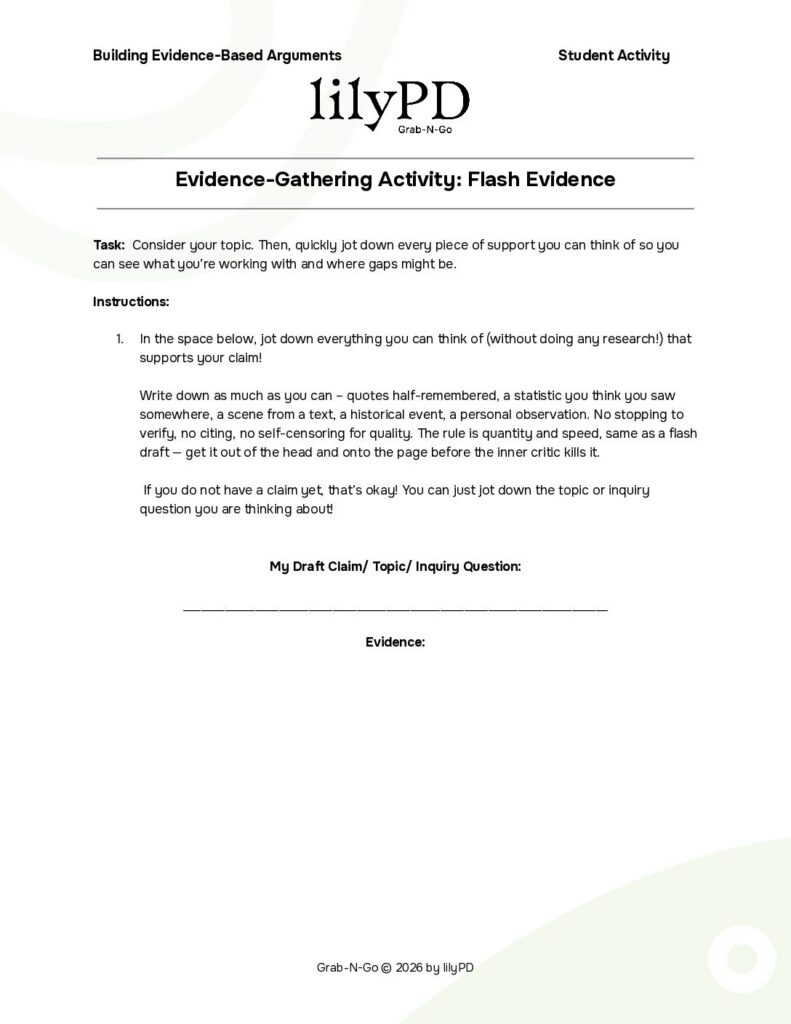
Evidence-Gathering Activity: Flash Evidence
Course:
Building Evidence Based Arguments
Student Activity
4-12
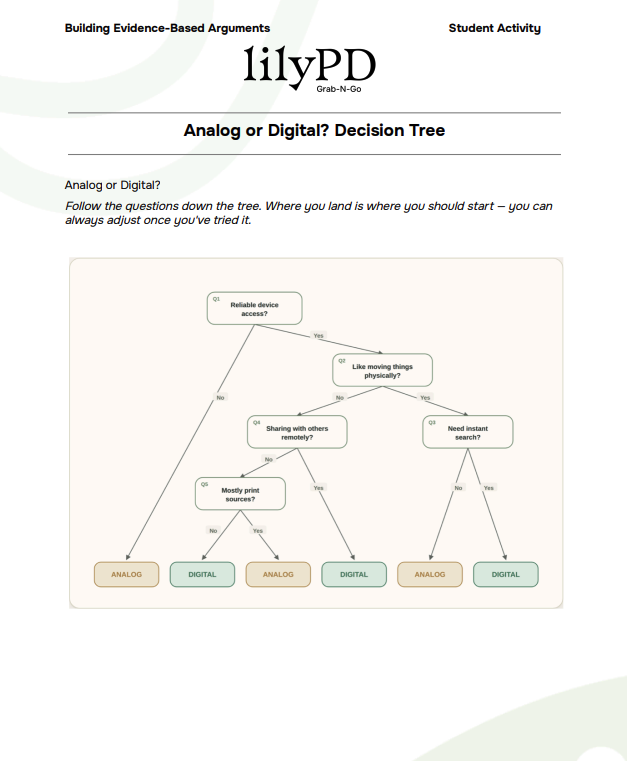
Learning Progression: Crafting a Rebuttal
Course:
Building Evidence Based Arguments
Teaching Guide
K-12
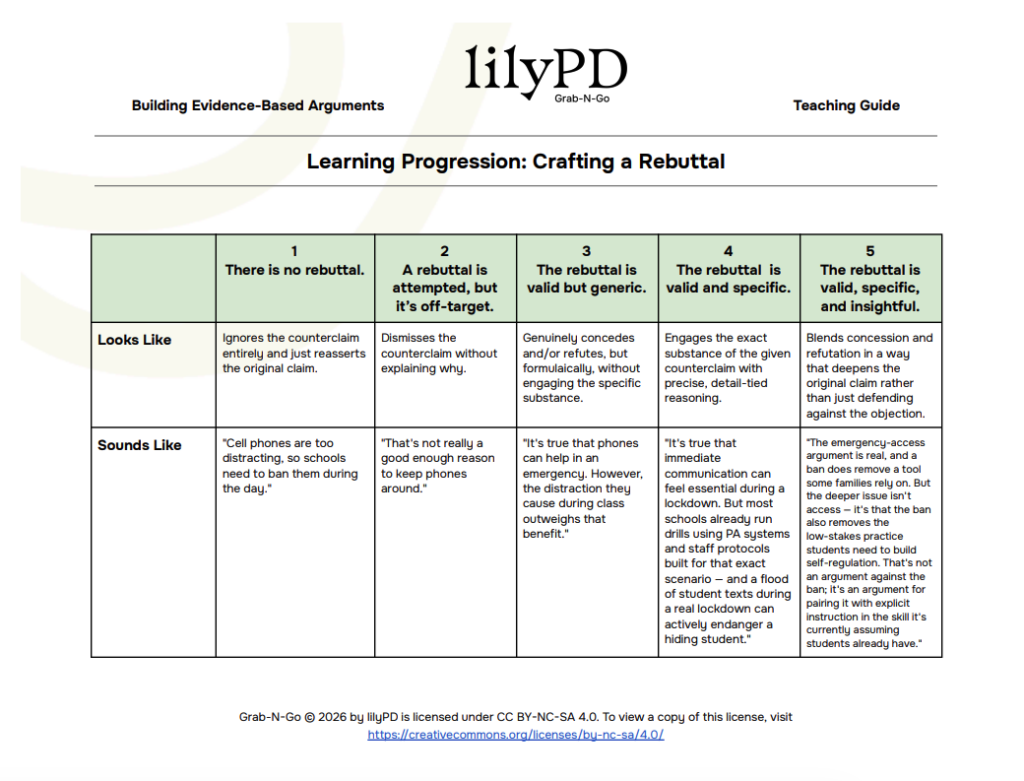
Learning Progression: Identifying & Acknowledging Counterclaims
Course:
Building Evidence Based Arguments
Teaching Guide
K-12
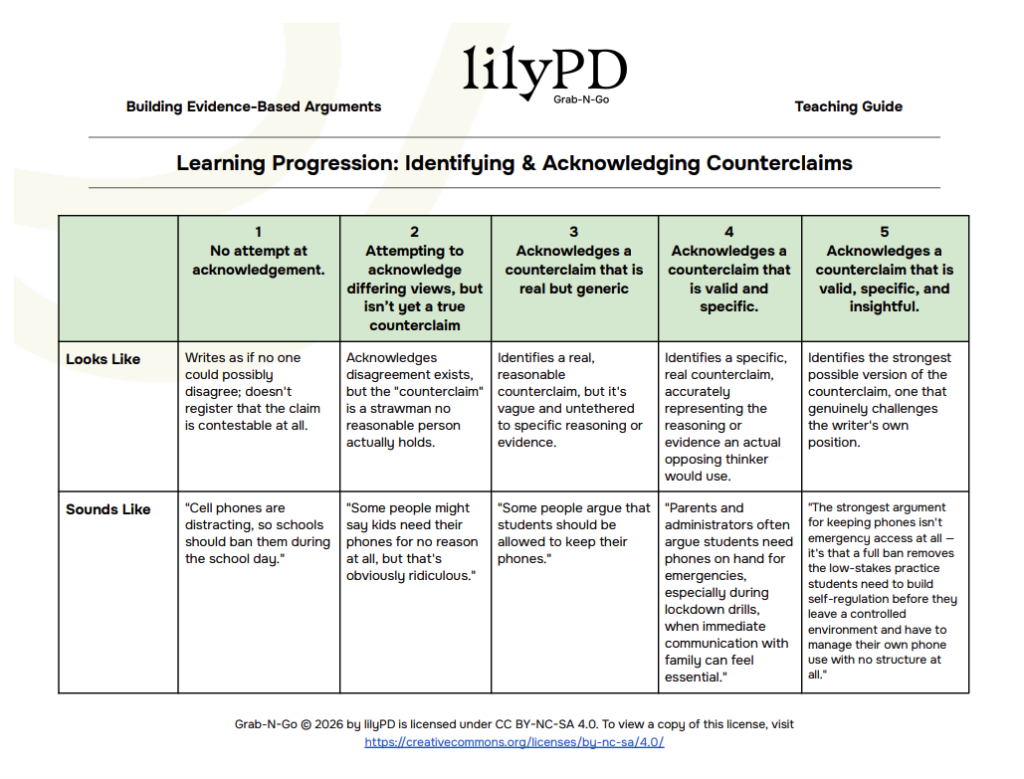
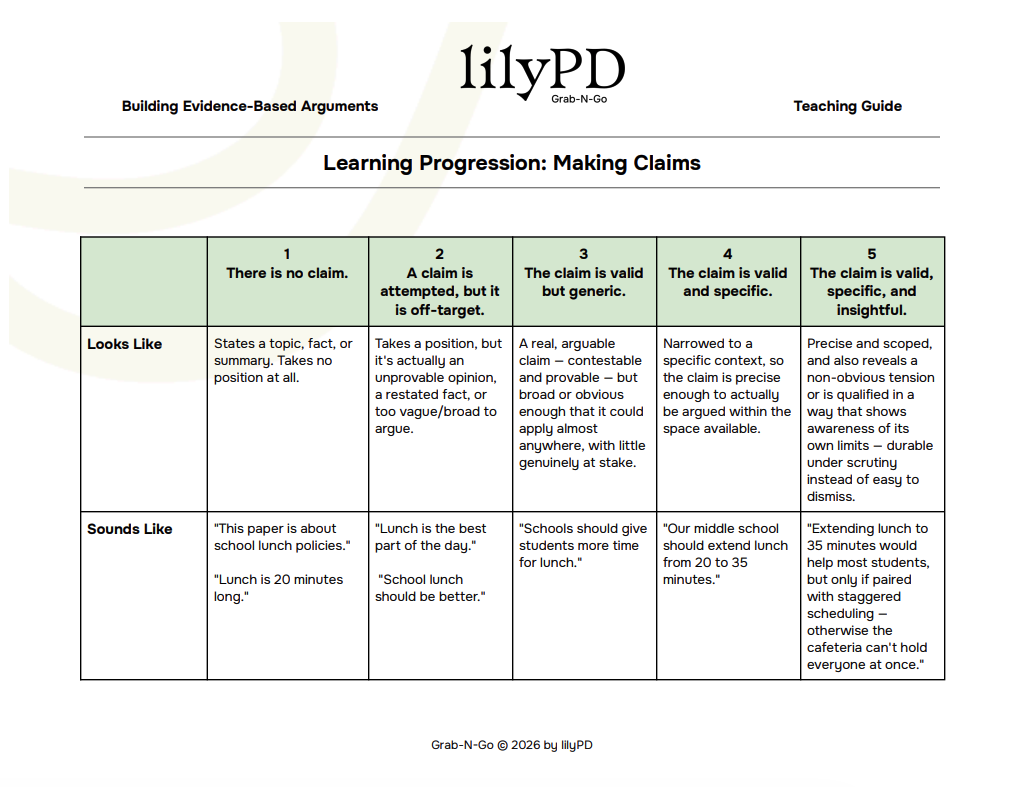
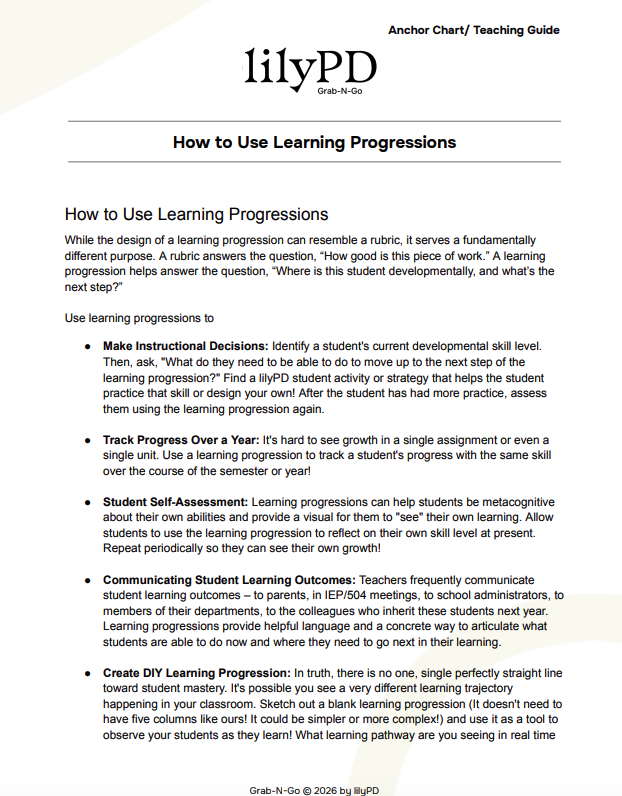
Sentence Stems for Conceding and Refuting (Older Students)
Course:
Building Evidence Based Arguments
Student Activity
6-12
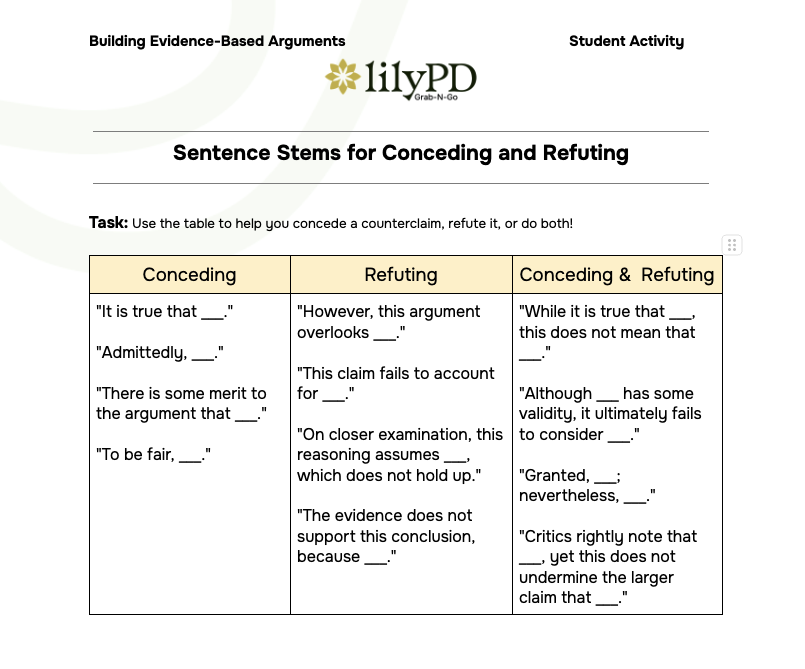
Sentence Stems for Conceding and Refuting (Younger Students)
Course:
Building Evidence Based Arguments
Student Activity
4-7
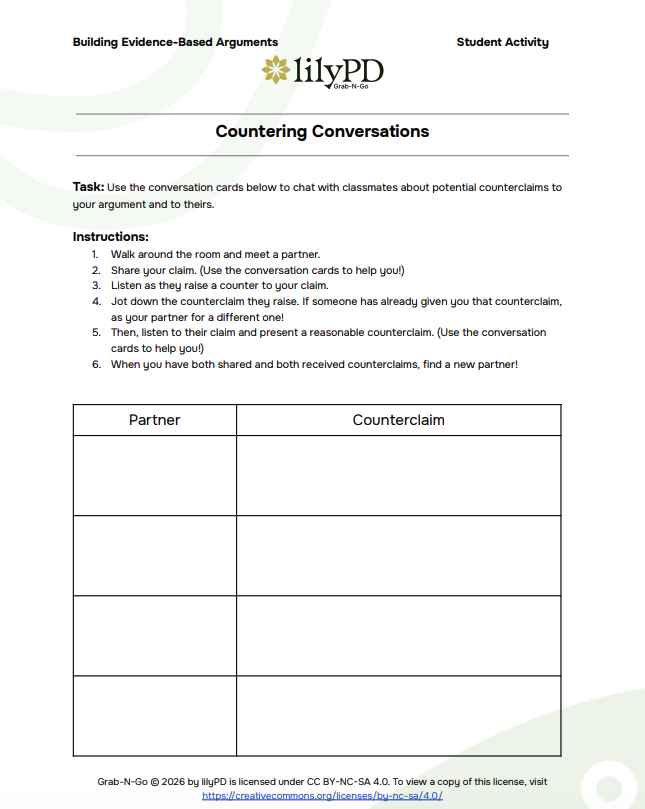
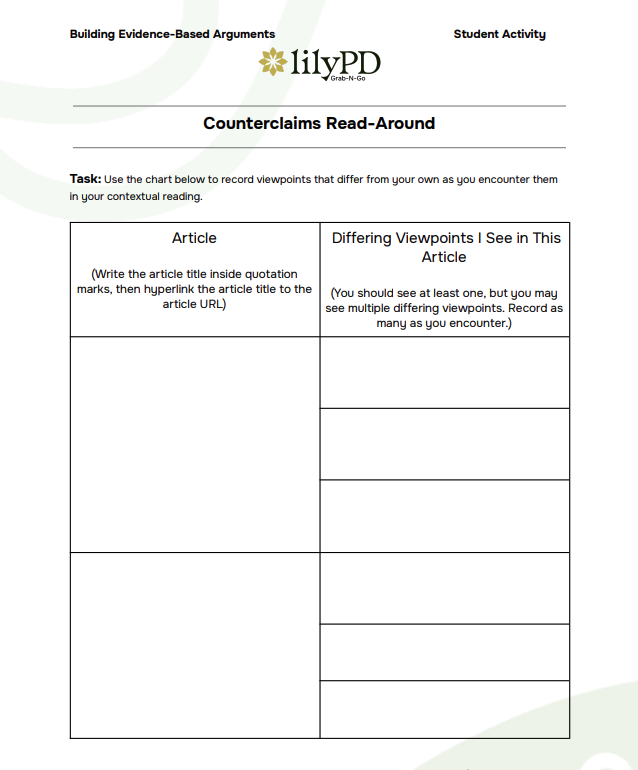

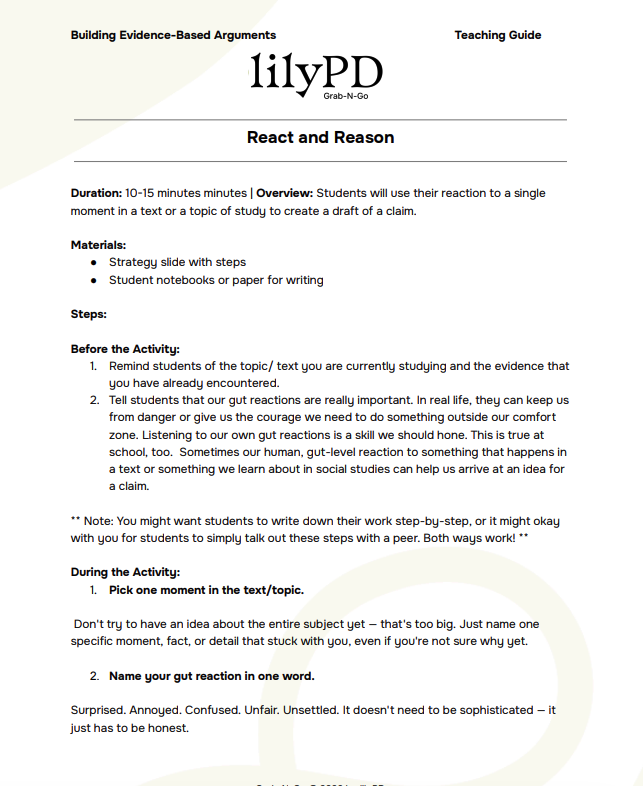
Pattern, Puzzle, Position Teaching Guide
Course:
Building Evidence Based Arguments
Teaching Guide
4-12
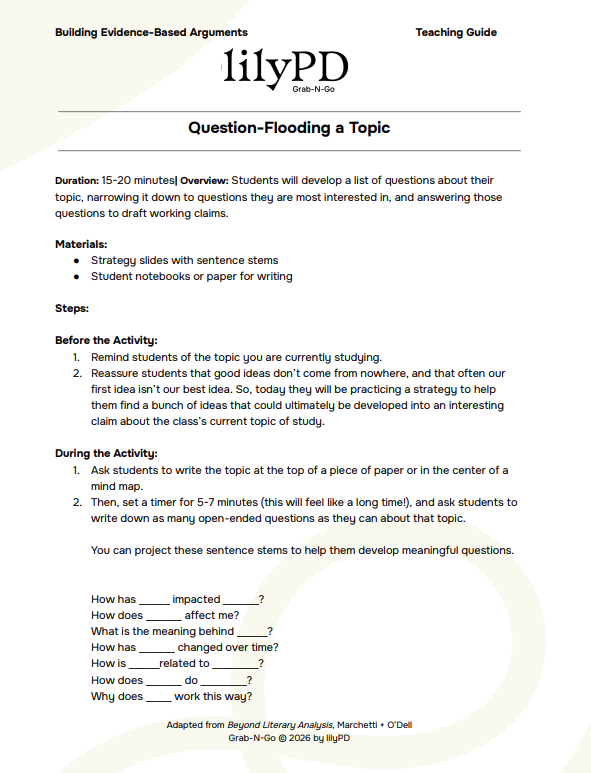
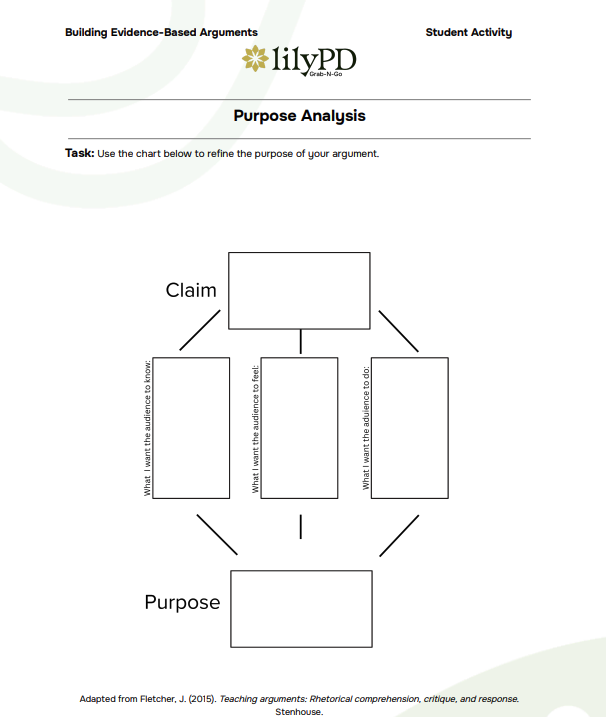
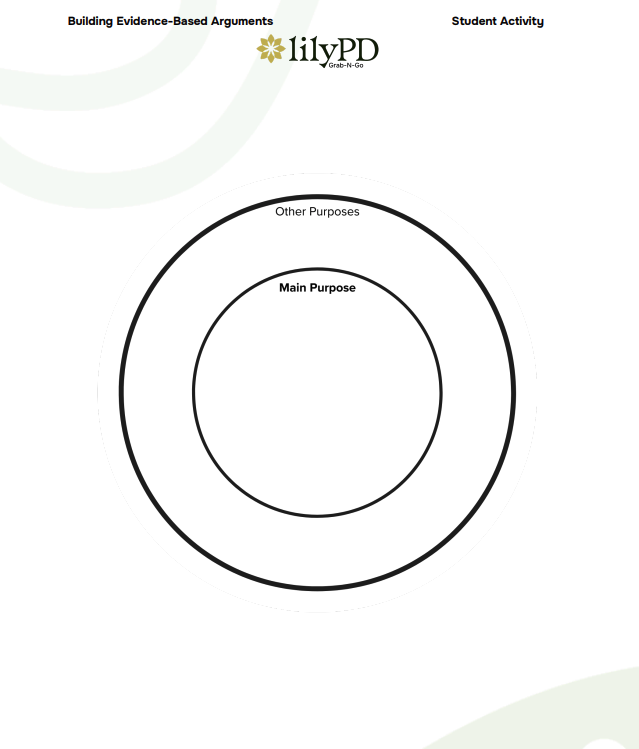
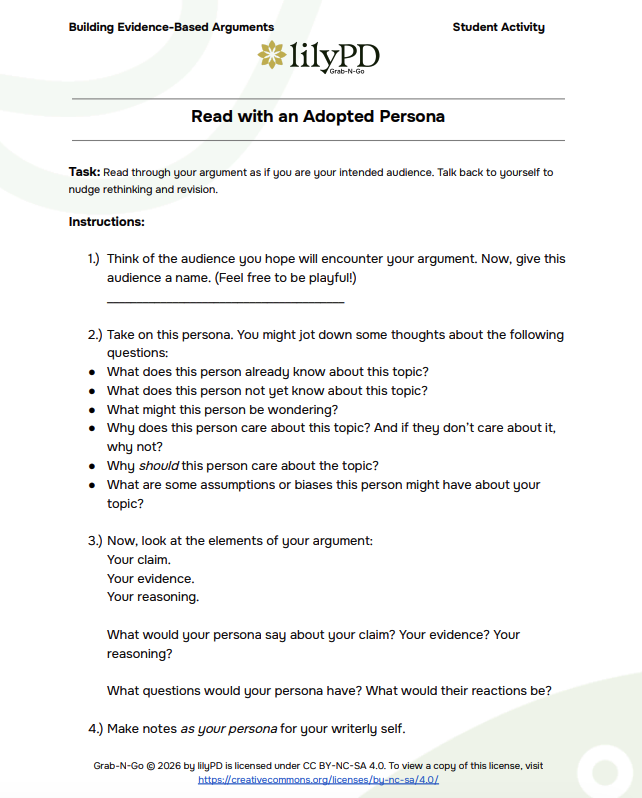
Considering Audience: Audience Checklist
Course:
Building Evidence Based Arguments
Student Activity
4-12
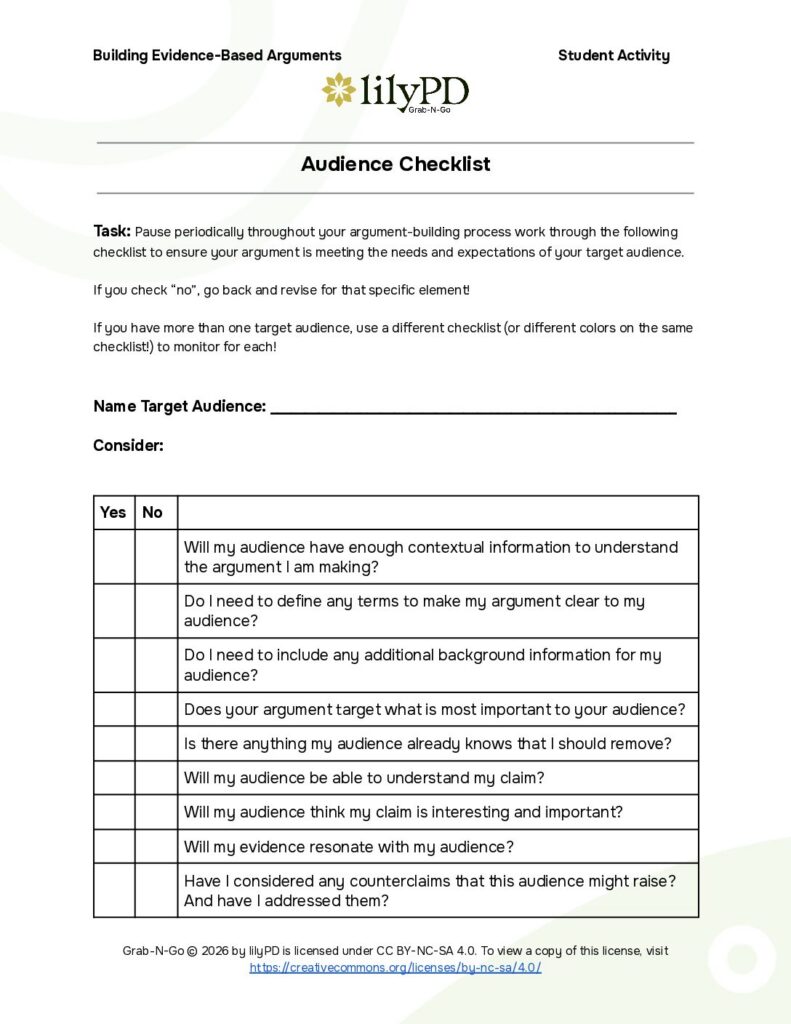
Considering Audience: Build an Audience
Course:
Building Evidence Based Arguments
Student Activity
4-12
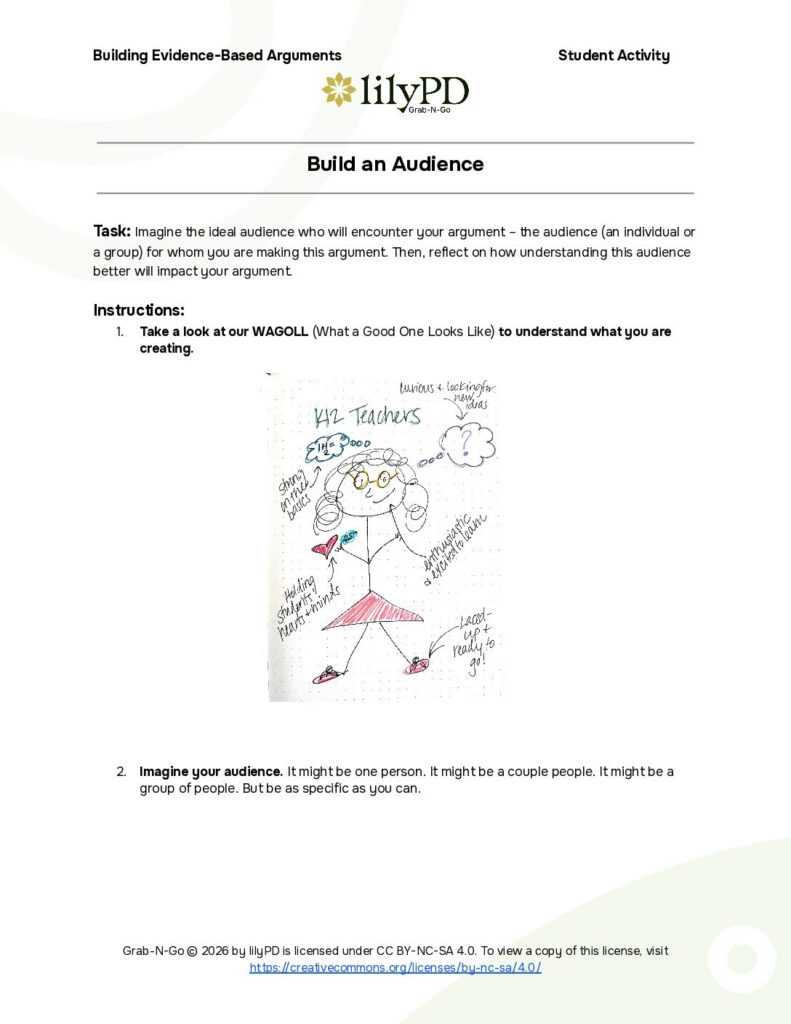
Contextualization Activity: Reading Around a Topic
Course:
Building Evidence Based Arguments
Student Activity
9-12
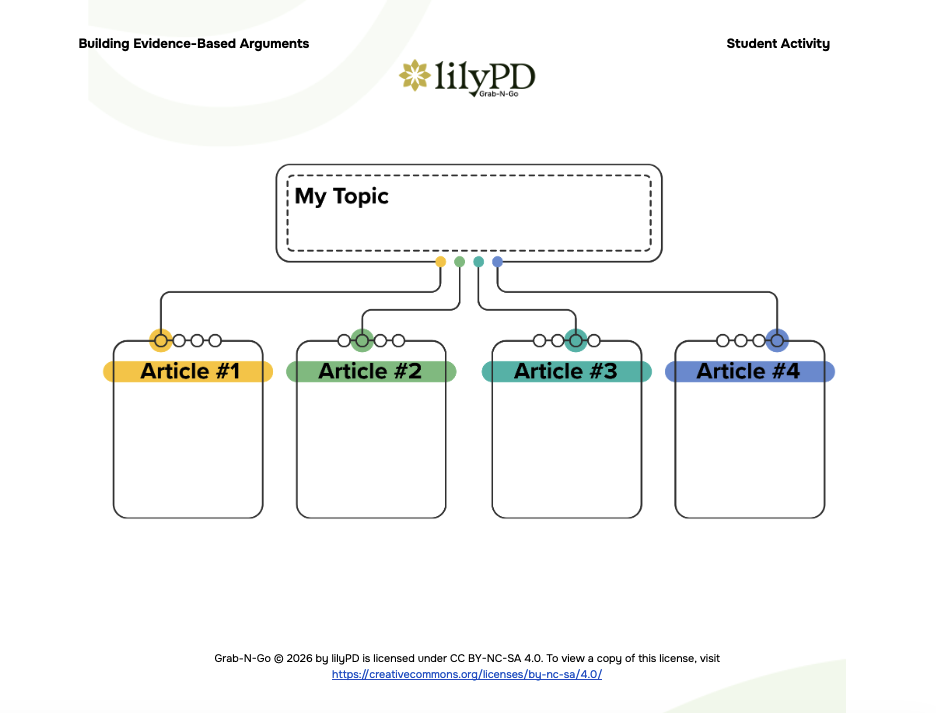
Contextualization Activity: SOAPs Analysis
Course:
Building Evidence Based Arguments
Student Activity
6-12
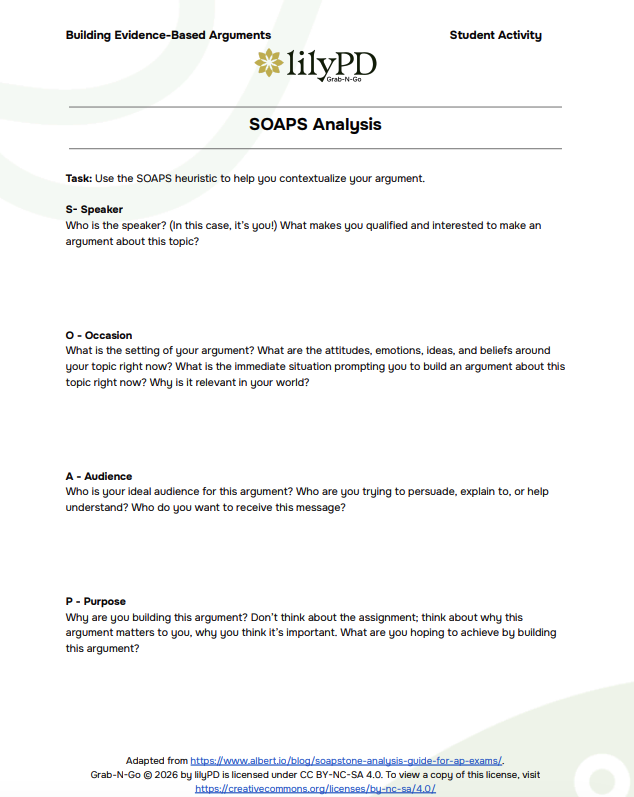
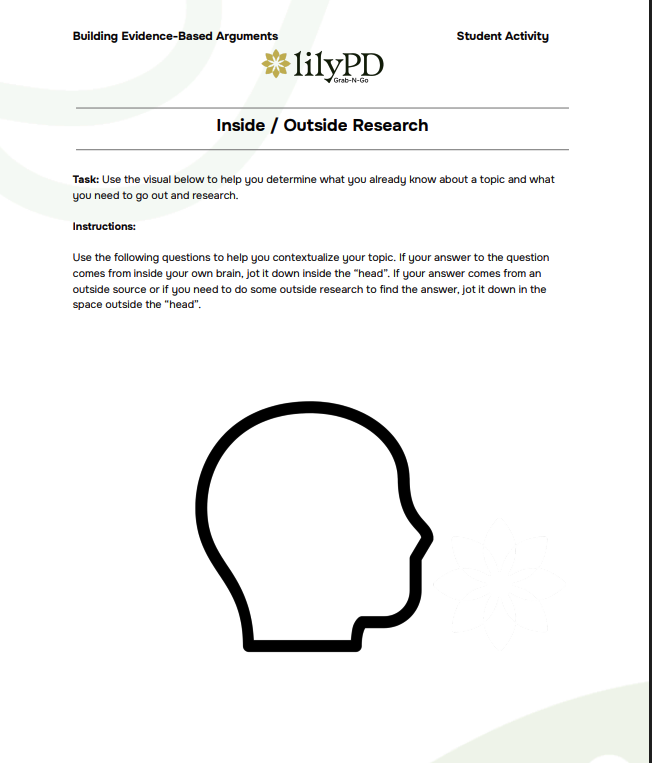
Contextualization Activity: Inside / Outside Research
Course:
Building Evidence Based Arguments
Student Activity
4-12
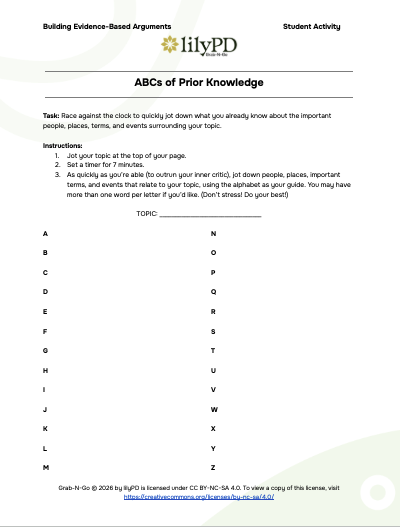
Contextualization Activity: ABCs of Prior Knowledge
Course:
Building Evidence Based Arguments
Student Activity
4-12
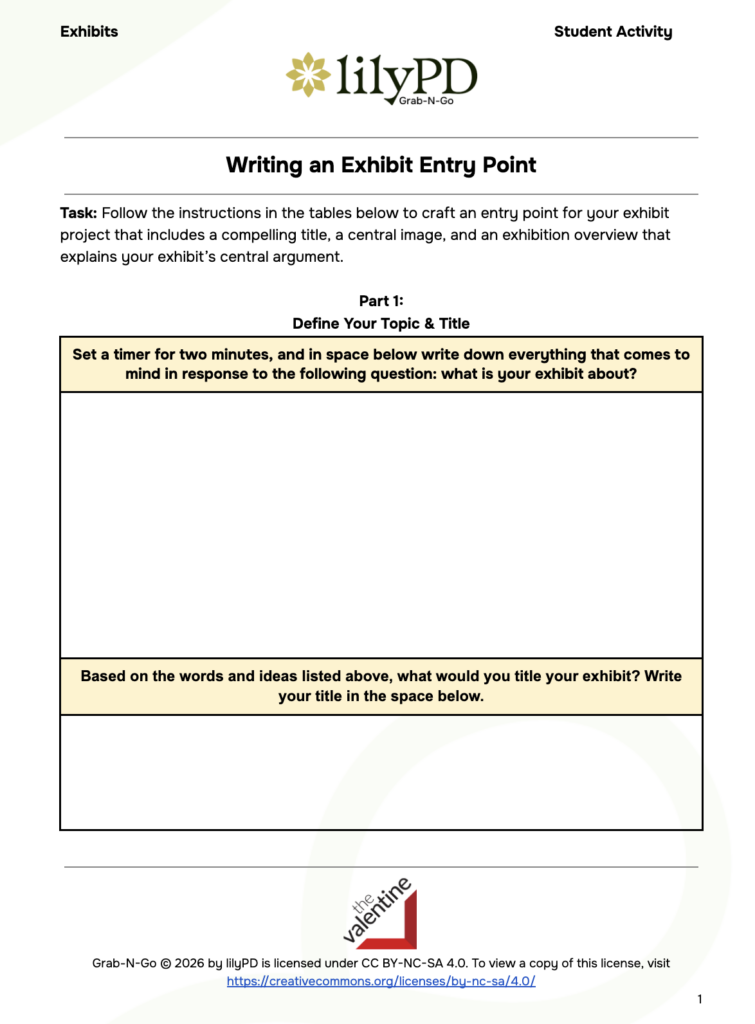
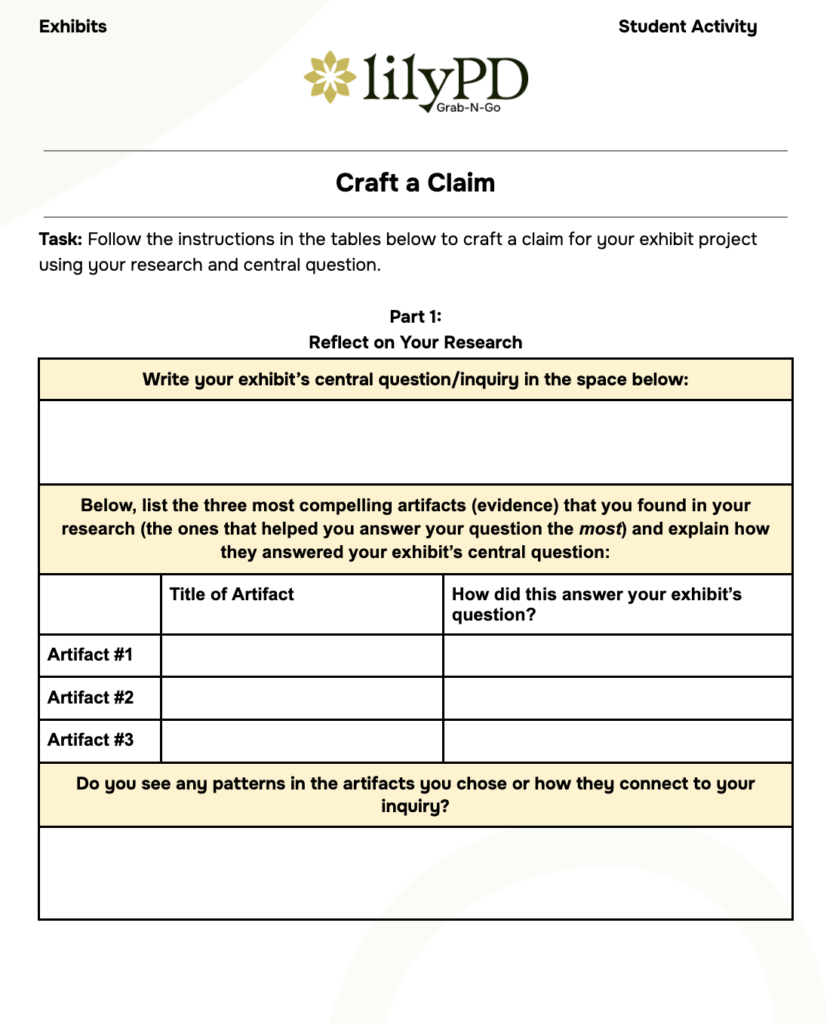
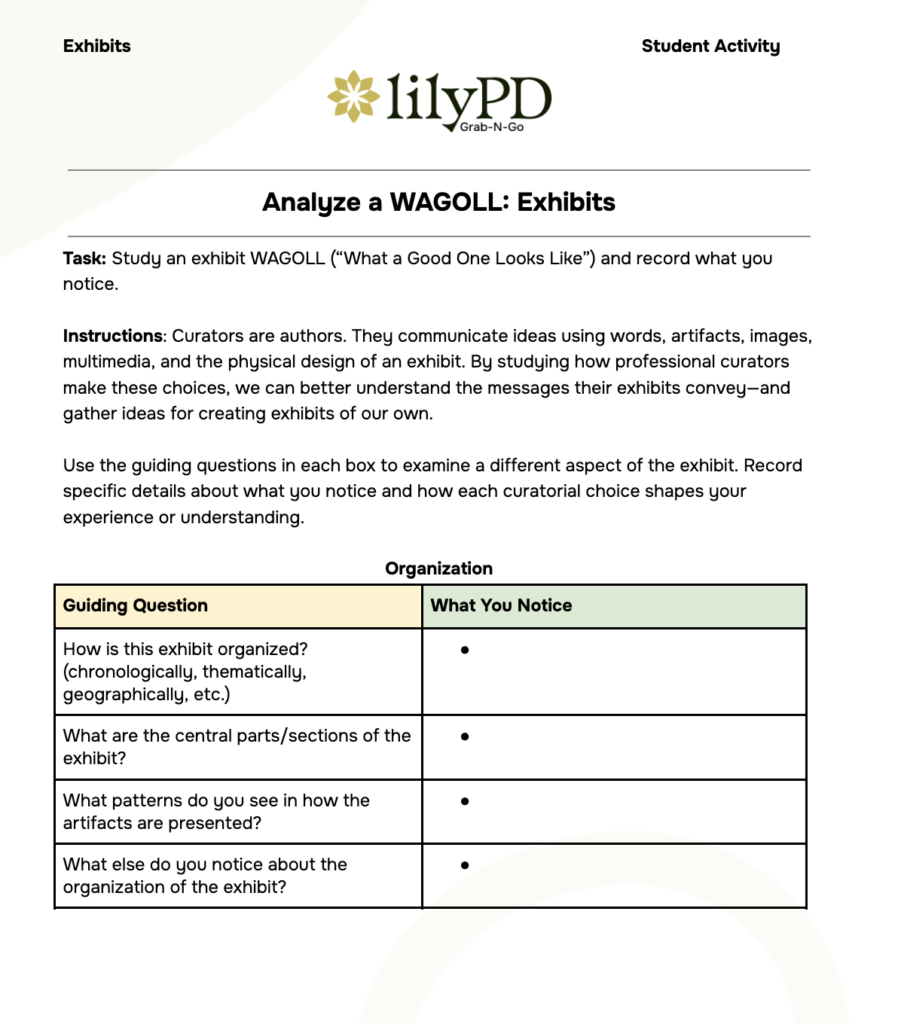
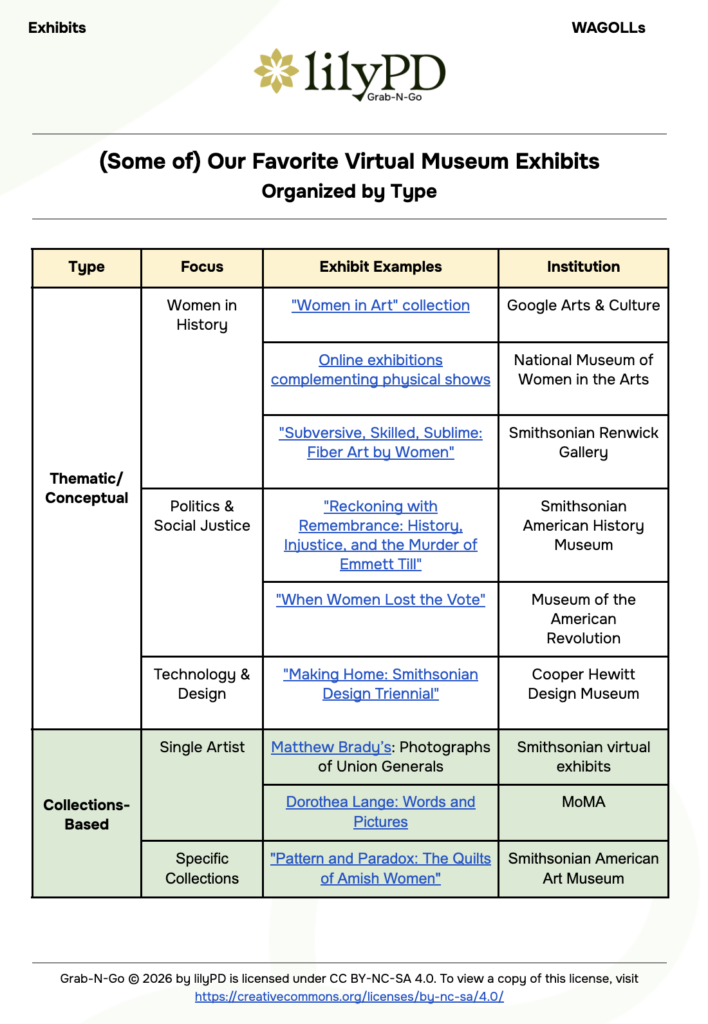
Media Literacy Strategy: Research before You Reference
Course:
Exhibits in the Classroom
Student Activity
6-12
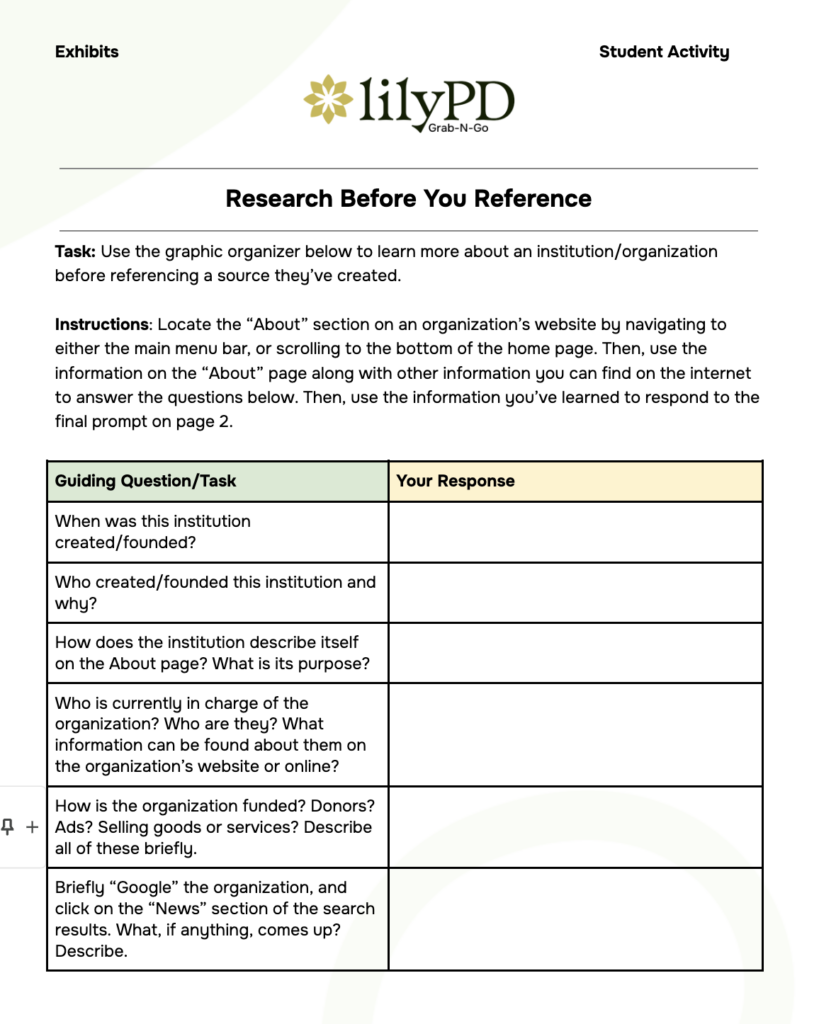
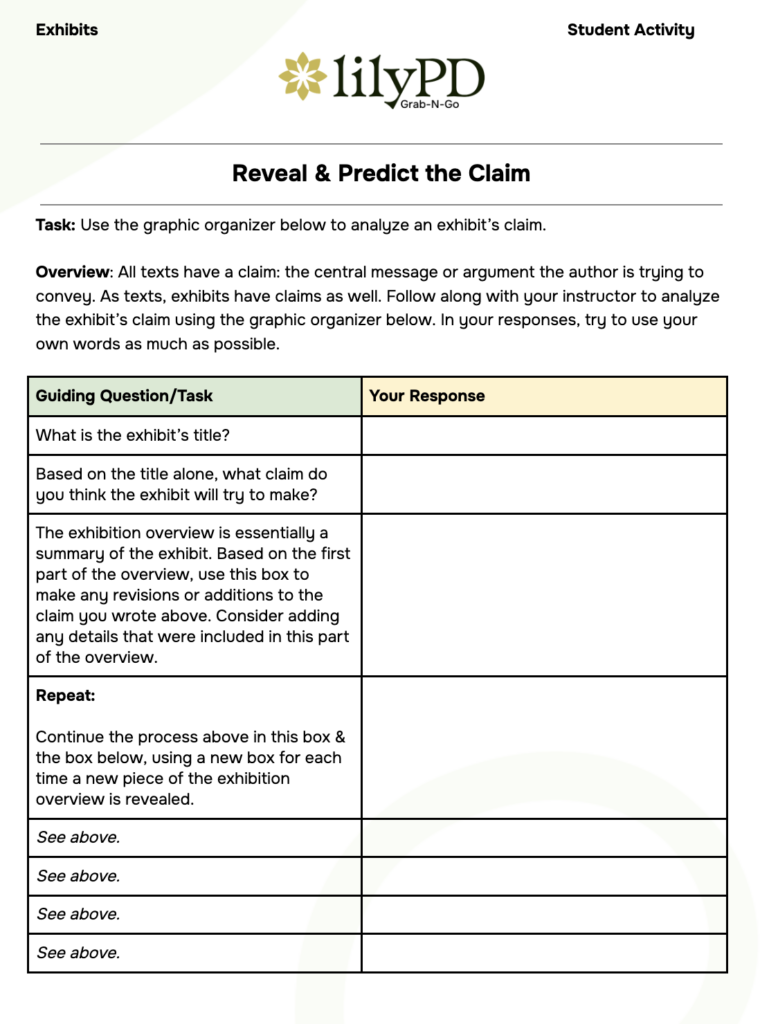
Literacy Strategy: Reveal & Predict the Claim
Course:
Exhibits in the Classroom
Student Activity
6-12
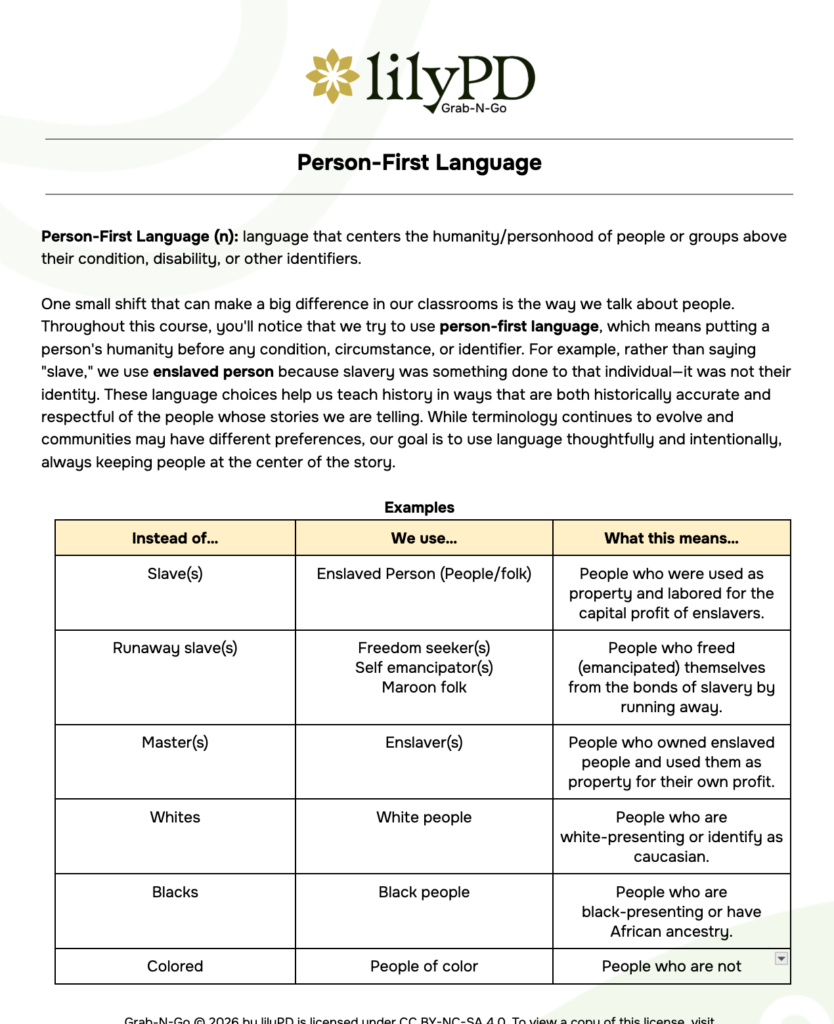
Source Snapshot Organizer: See It, Name It, Prove It
Course:
Artifact Analysis
Student Activity
6-12

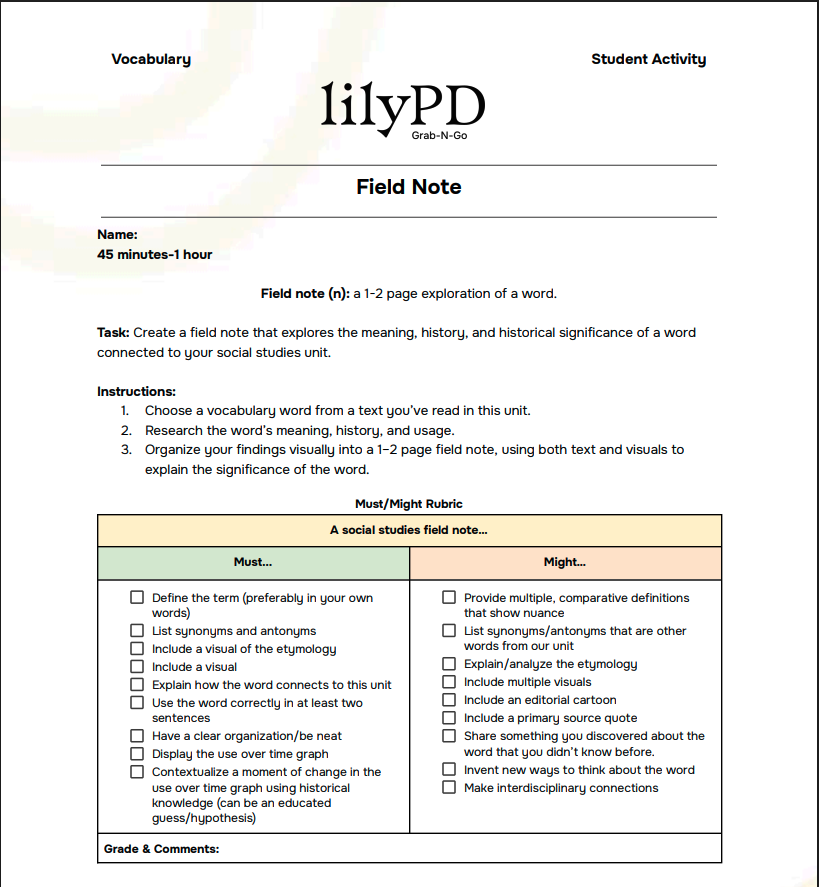
Vocabulary Exercise: Social Studies Field Note
Course:
The Horizon of Independence
Student Activity
K-12
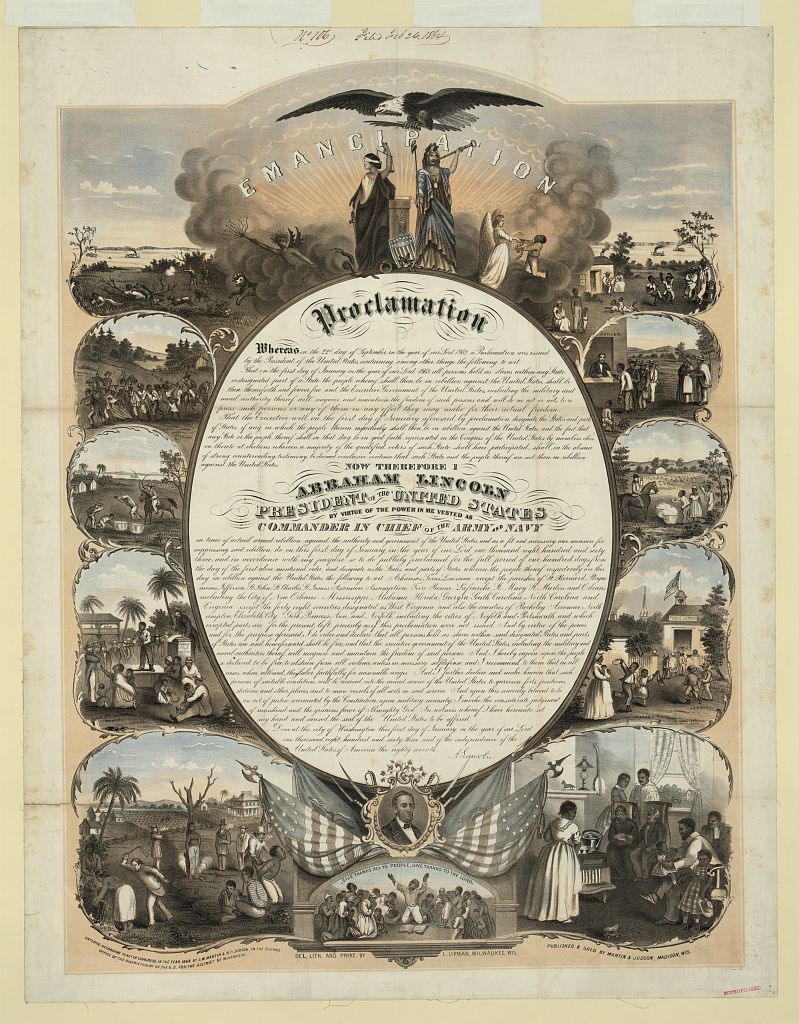
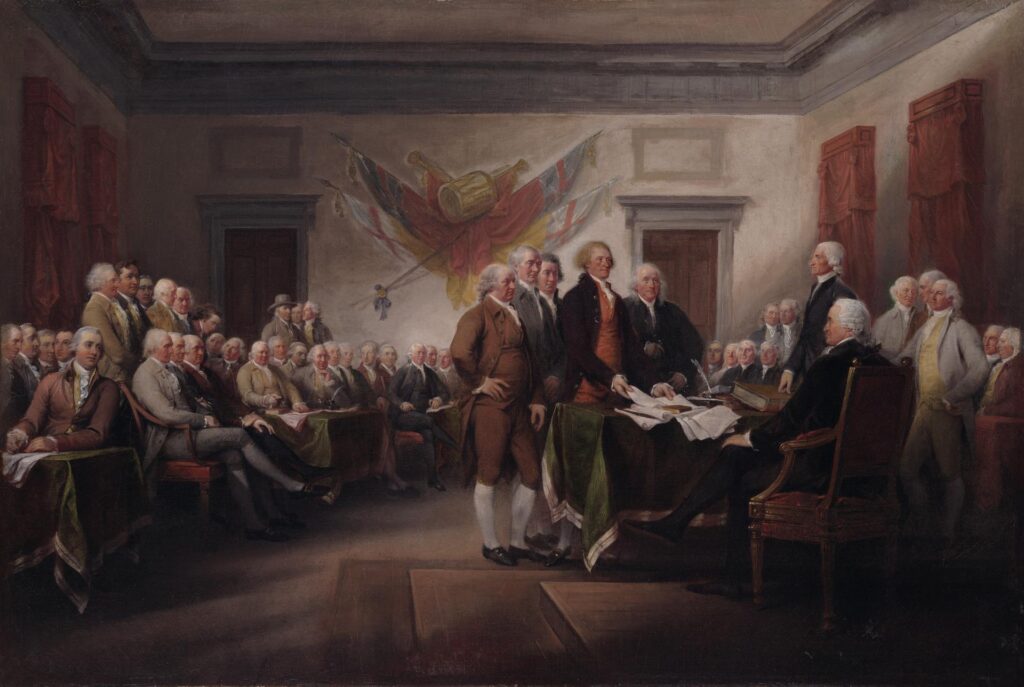
The Declaration of Independence, July 4, 1776
Course:
The Horizon of Independence
Primary Source
K-12
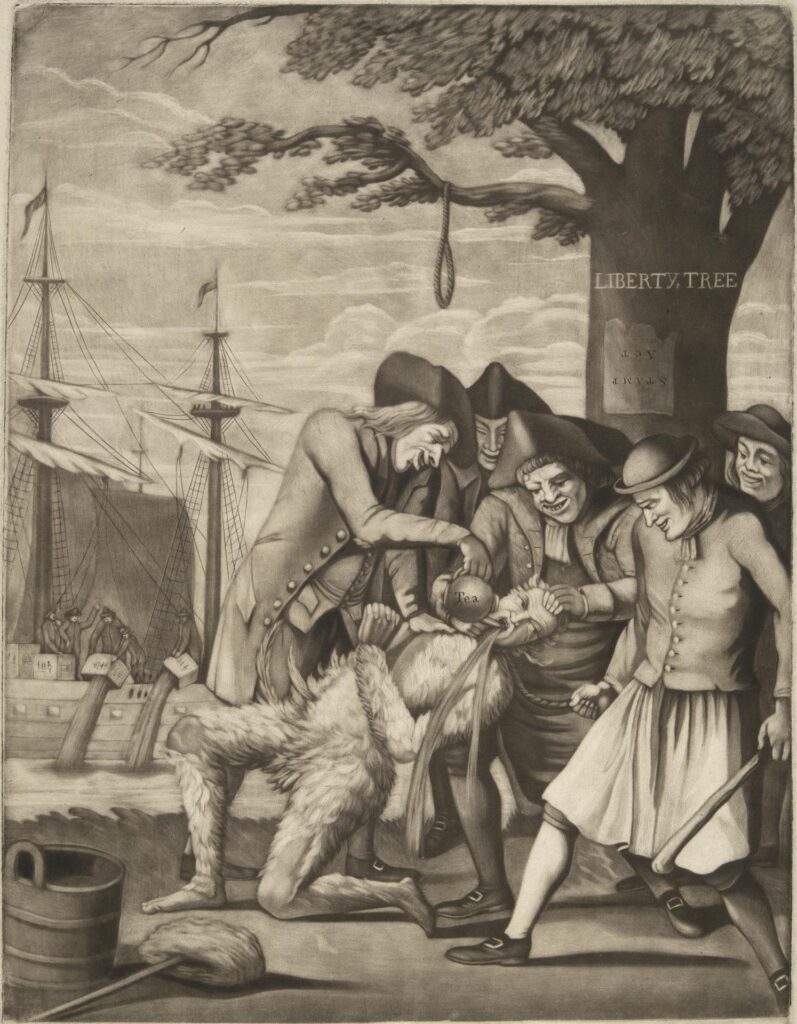
The Bostonians Paying the Excise-Man or Tarring and Feathering
Course:
The Horizon of Independence
Primary Source
K-12
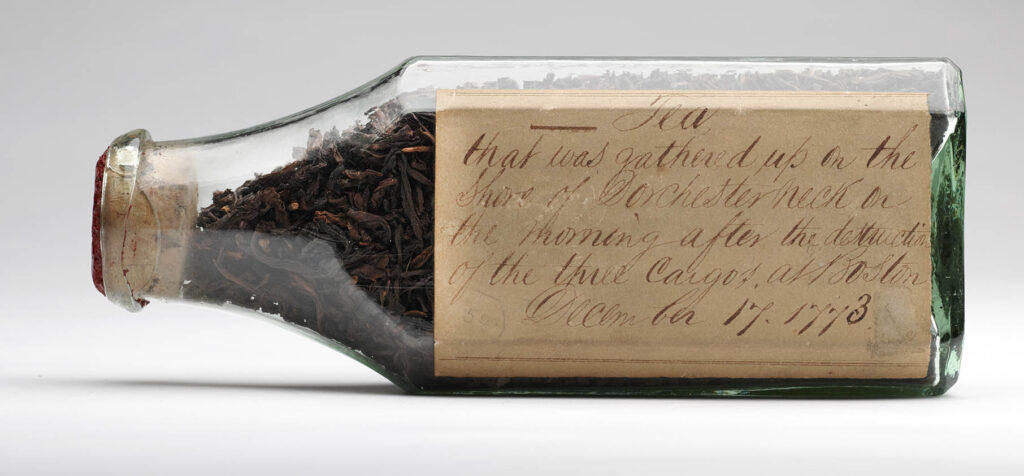
Tea leaves in glass bottle collected on the shore of Dorchester Neck the morning of 17 December 1773
Course:
The Horizon of Independence
Primary Source
K-12
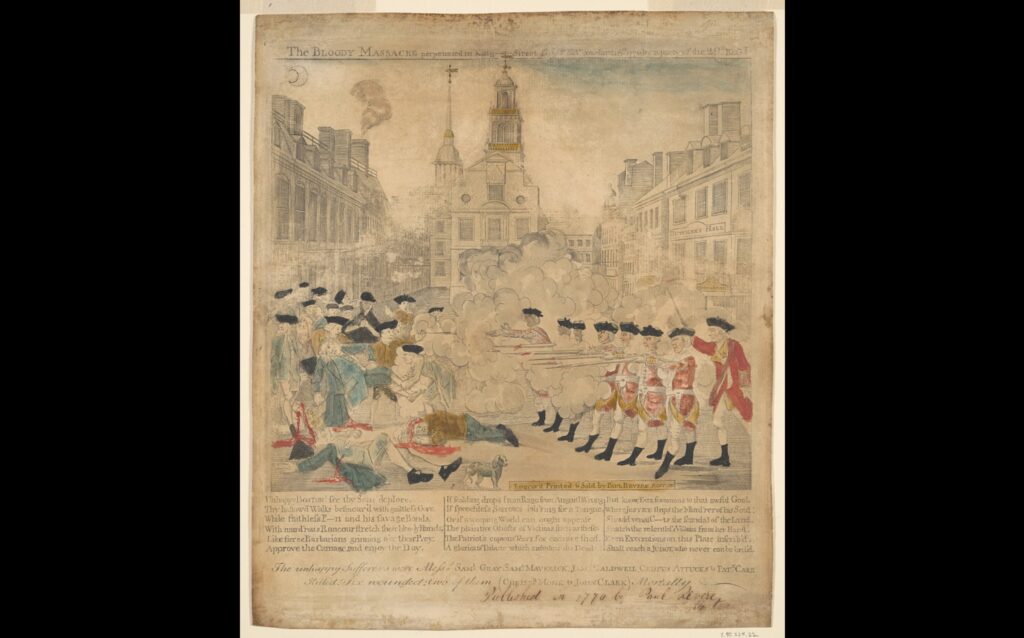
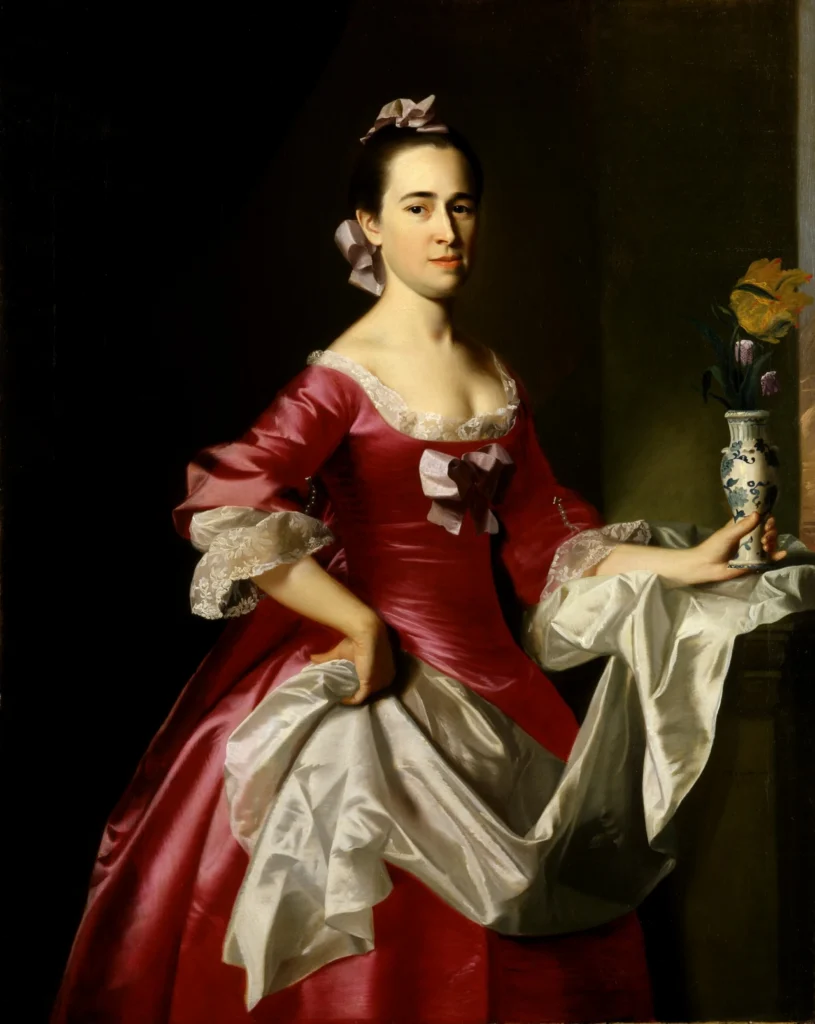
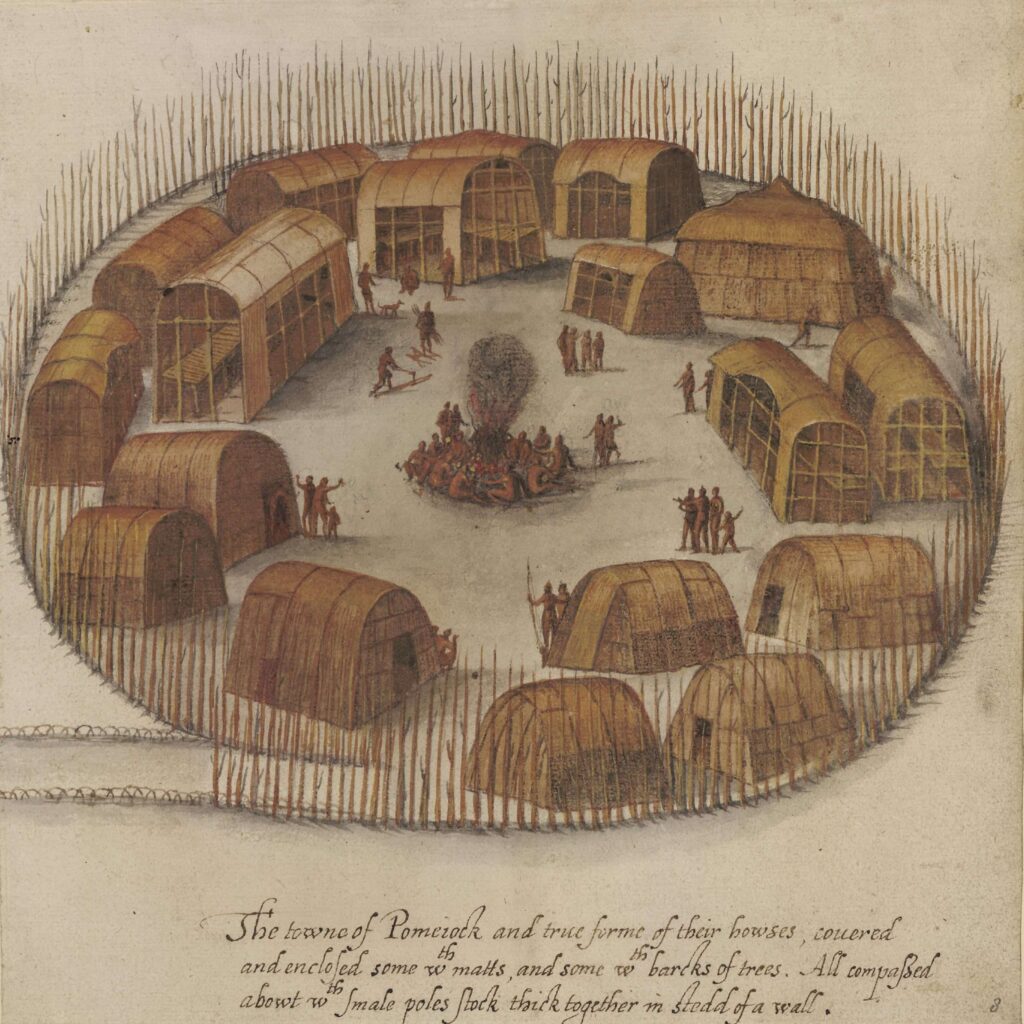
Elementary Primary Source Set: Rising Tensions in America, 1763-1775
Course:
The Horizon of Independence
Primary Source Set
2-5
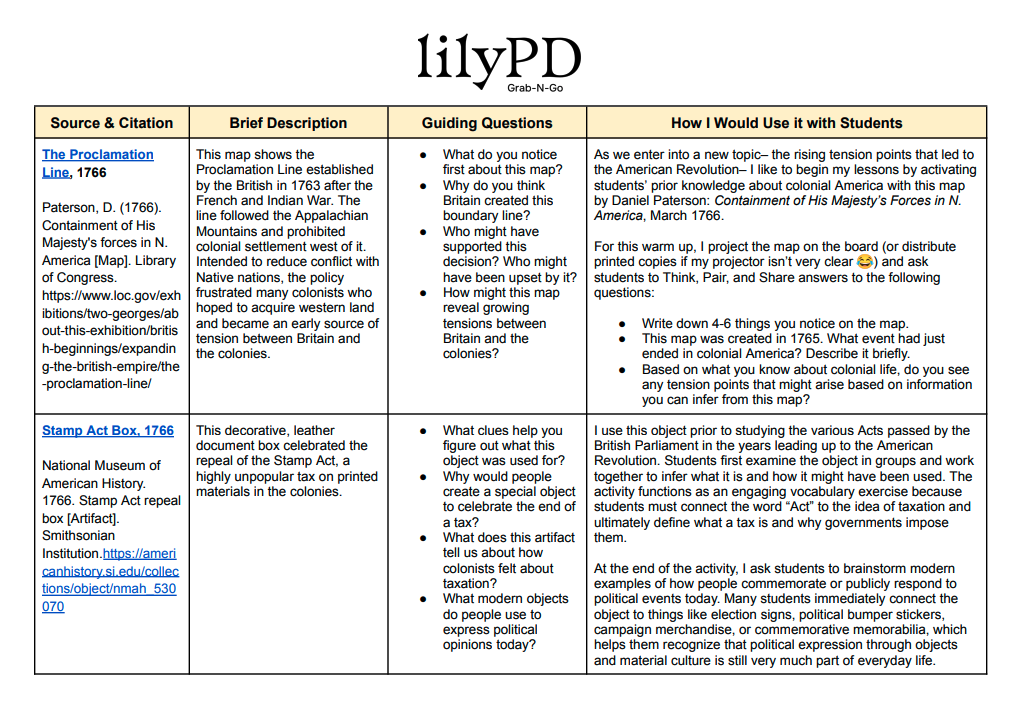
Elementary Primary Source Set: Life in Early America
Course:
The Horizon of Independence
Primary Source Set
2-5
Secondary Primary Source Set: The Declaration’s Impact, 1776 & Beyond
Course:
The Horizon of Independence
Primary Source Set
6-12
Elementary Primary Source Set: The Declaration’s Impact, 1776 & Beyond
Course:
The Horizon of Independence
Primary Source Set
2-5
Secondary Primary Source Set: Rising Tensions in America, 1763-1775
Course:
The Horizon of Independence
Primary Source Set
6-12
Secondary Primary Source Set: Life in Early America
Course:
The Horizon of Independence
Primary Source Set
6-12
Write a Claim Statement: “Outline It” Claim
Course:
Historical Inquiry in the Classroom
New
Student Activity
6-12
Practice Lateral Reading with AI
Course:
Historical Inquiry in the Classroom
New
Student Activity
6-12
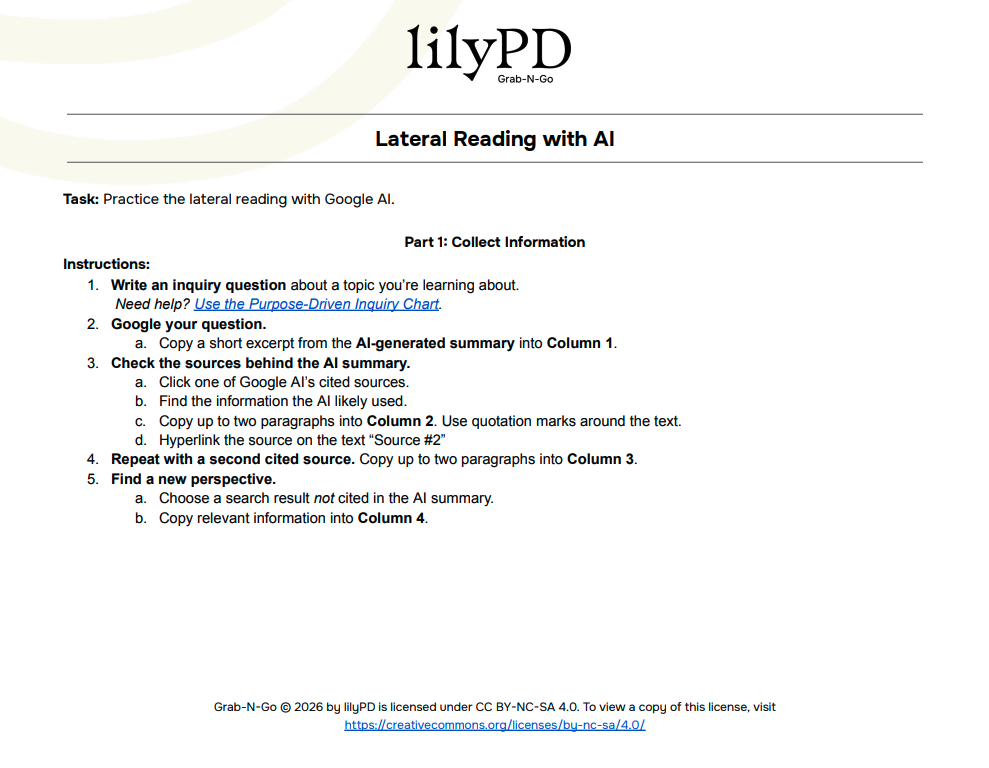
ARMD Question Protocol for Primary Source Analysis
Course:
Nonfiction Reading Strategies
New
Student Activity
6-12
Primary Source Analysis Strategy: DEEP Context
Course:
Nonfiction Reading Strategies
New
Student Activity
6-12
Literacy Strategy: Most Important Sentence
Course:
Nonfiction Reading Strategies
New
Teaching Guide
6-12
Literacy Strategy: Topic to Main Idea
Course:
Nonfiction Reading Strategies
New
Student Activity
6-12
Literacy Strategy: Reading with Questions
Course:
Nonfiction Reading Strategies
New
Teaching Guide
6-12
Literacy Strategy: Define the Relationship
Course:
Nonfiction Reading Strategies
New
Teaching Guide
6-12
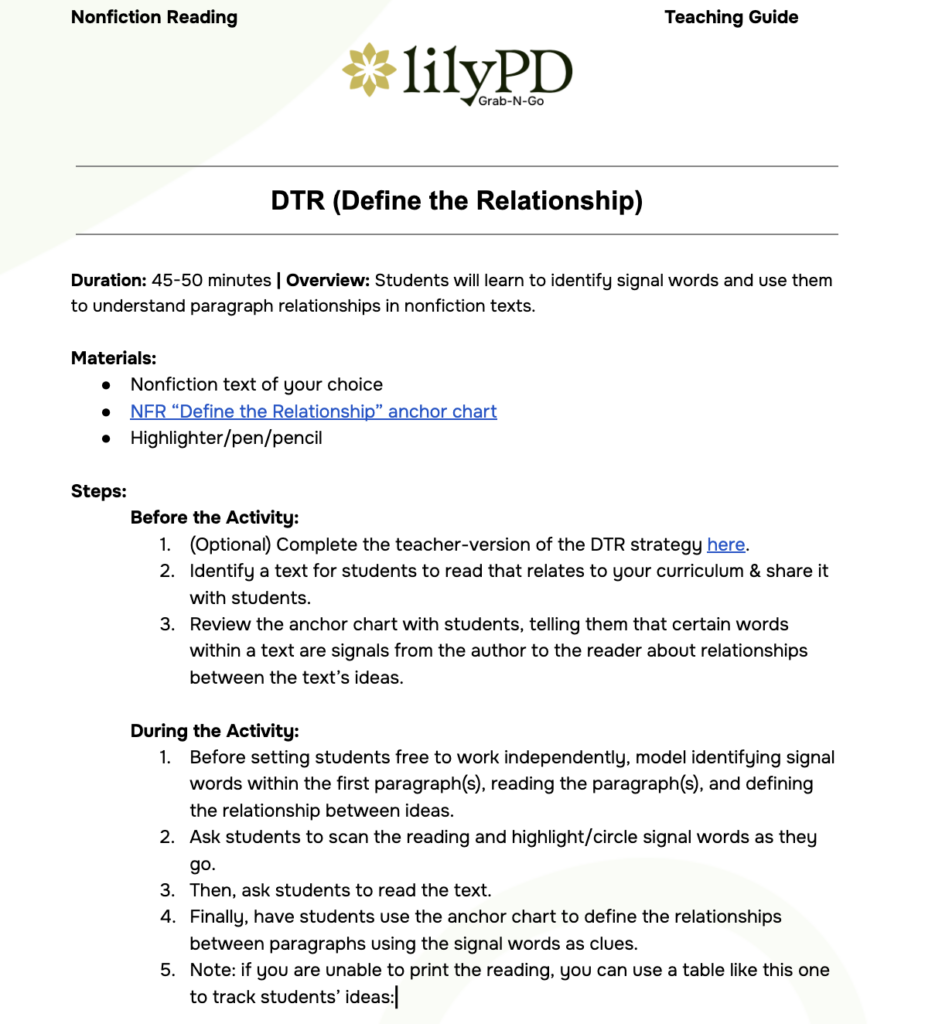
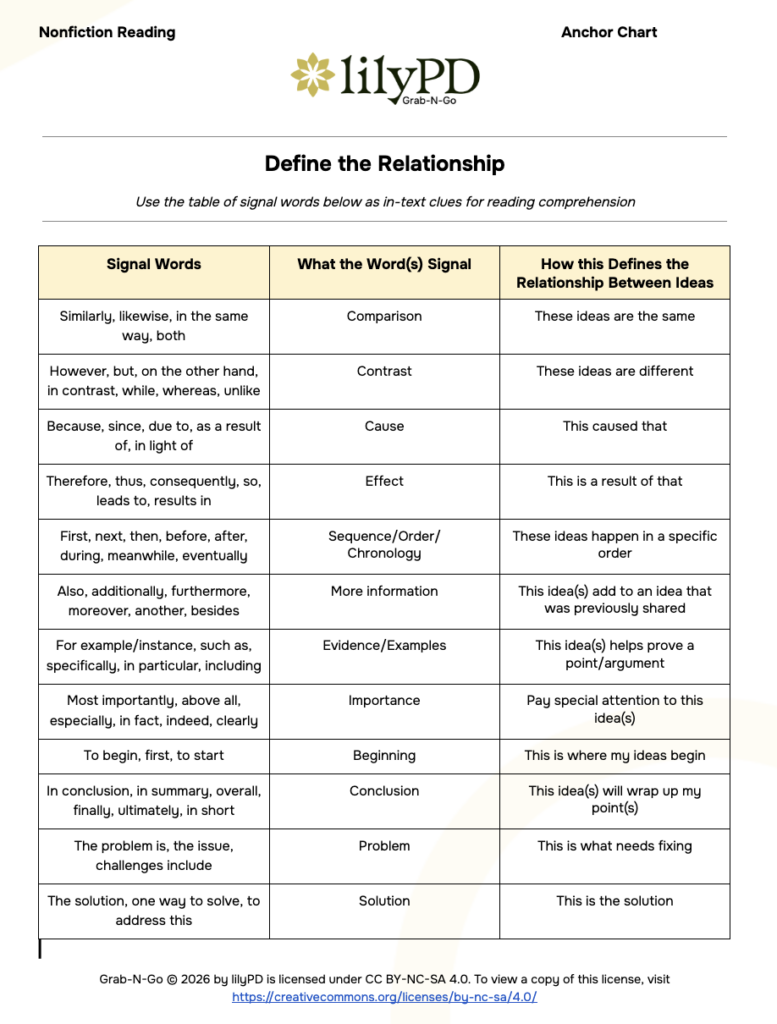
Literacy Strategy: Define the Relationship
Course:
Nonfiction Reading Strategies
New
Anchor Chart
6-12
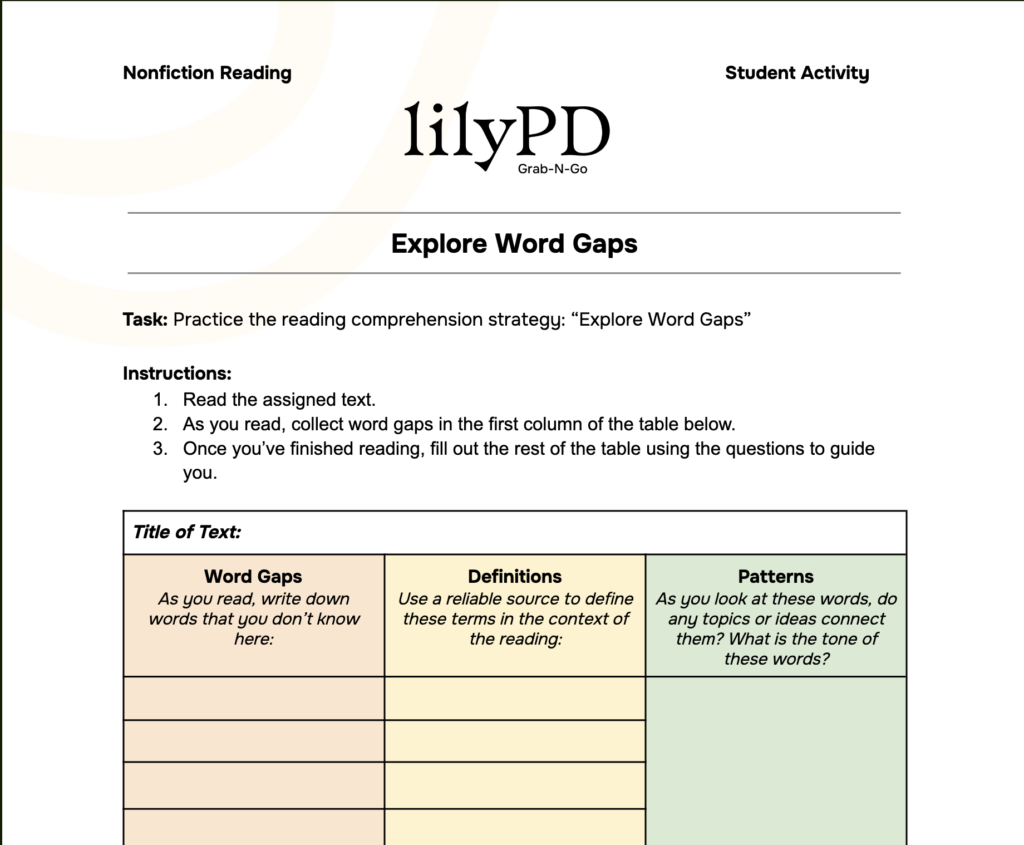
Literacy Strategy: Explore Word Gaps
Course:
Nonfiction Reading Strategies
New
Student Activity
6-12
Literacy Strategy: Explore Word Gaps
Course:
Nonfiction Reading Strategies
New
Teacher Activity
6-12
Literacy Strategy: Peruse Proper Nouns
Course:
Nonfiction Reading Strategies
New
Teacher Activity
6-12
Literacy Strategy: Peruse Proper Nouns
Course:
Nonfiction Reading Strategies
New
Student Activity
6-12
Literacy Strategy: Brainstorm Key Words
Course:
Nonfiction Reading Strategies
New
Teaching Guide
6-12
Literacy Strategy: Brainstorm Key Words
Course:
Nonfiction Reading Strategies
New
Student Activity
6-12
Literacy Strategy: Brainstorm Key Words
Course:
Nonfiction Reading Strategies
New
Teacher Activity
6-12
Types & Purposes of Nonfiction in Social Studies
Course:
Nonfiction Reading Strategies
New
Anchor Chart
6-12
Literacy Strategy: Use Text Structure Clues
Course:
Nonfiction Reading Strategies
New
Teaching Guide
6-12
Literacy Strategy:Use Text Structure Clues
Course:
Nonfiction Reading Strategies
New
Student Activity
6-12
RQI: Facilitating the Question Formulation Technique
Course:
Historical Inquiry in the Classroom
New
Teaching Guide
6-12
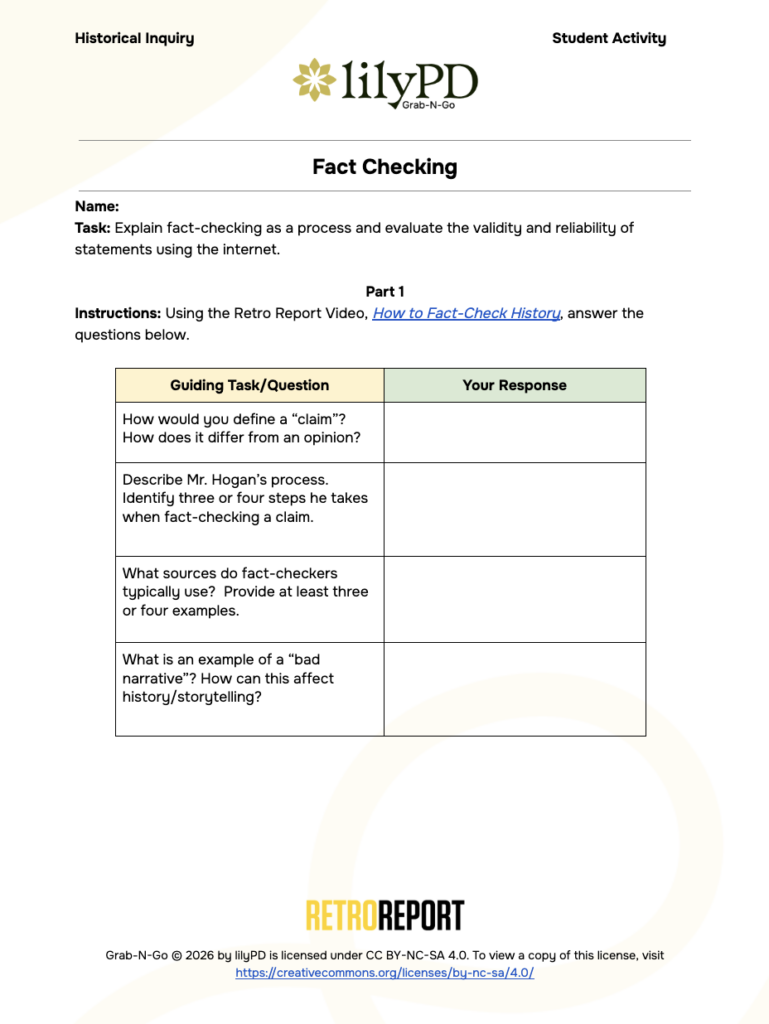
Media Literacy Strategy: Fact Checking
Course:
Historical Inquiry in the Classroom
New
Student Activity
6-12
Media Literacy Strategy: Reverse Image Search
Course:
Historical Inquiry in the Classroom
New
Student Activity
6-12
Researching with Purpose-Driven Inquiry
Course:
Historical Inquiry in the Classroom
New
Student Activity
6-12
Ask Better Questions: Purpose-Driven Inquiry
Course:
Historical Inquiry in the Classroom
New
Student Activity
6-12
Mini DBQ Inquiry Graphic Organizer
Course:
Historical Inquiry in the Classroom
New
Student Activity
6-12
History’s Habits of Mind Course Alignment
Course:
Historical Inquiry in the Classroom
New
Teacher Activity
6-12
Project-Based Learning for Content Literacy
Between instructional time, student engagement, and the pressure to cover content, sometimes it's easier to stick with what works! This Project Based Learning course will help you adapt PBL to your teaching and students through a flexible and practical framework. Explore tested strategies of project phases —from ideation, research, creation, publication, and assessment — to hone your students’ disciplinary skills, deepen their content knowledge, and make learning more authentic.
In partnership with
William & Mary
K-12
5hrs
Building Evidence Based Arguments
Argumentation is a science and an art that hinges on evidence. Evidence makes or breaks an argument, but for many students, knowing when or how to use evidence doesn't come naturally. We can't expect them to just figure it out. This course gives you a toolkit of carefully curated classroom strategies that teach students to build logical, sequenced, evidence-based arguments from the ground up– equipping them with transferable skills for better essays, projects, and discussions, and clearer thinking, and stronger arguments for life.
In partnership with
William & Mary
4-12
5
5hrs

The Horizon of Independence
As the first course in our three-part series on the American Revolution, the Horizon of Independence helps educators deepen their understanding of early America and the build up to the American Revolution (1607-1776) by exploring inquiry-driven, primary source-based strategies for teaching the complexities and enduring significance of the founding of the United States of America.
In partnership with
William & Mary
New
K-12
4.9
5hrs
Artifact Analysis
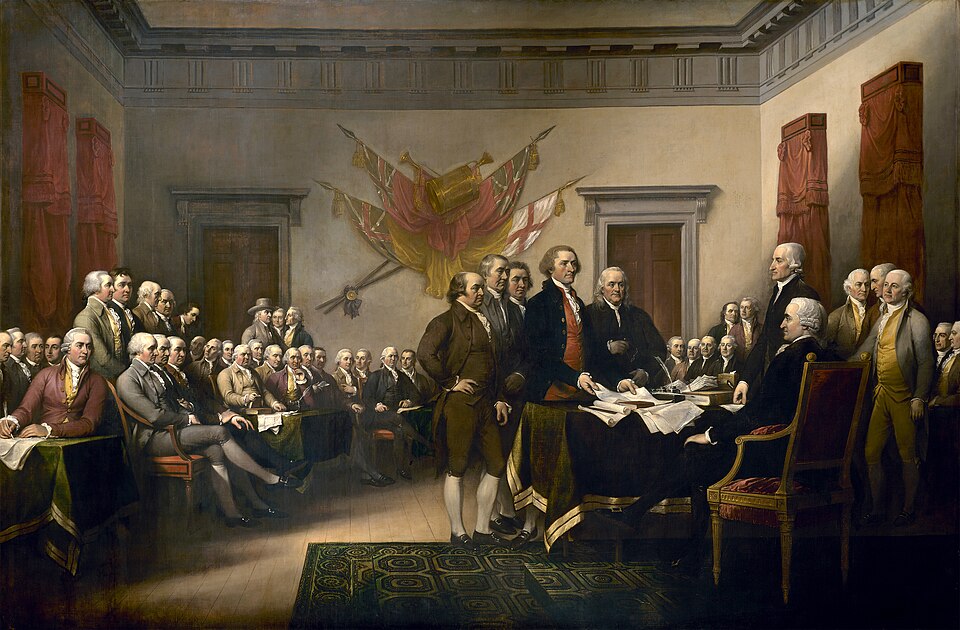
Transform your classroom into a site of active, inquiry-driven discovery with this course on artifact analysis. Use artifacts as dynamic evidence that empowers students to question, interpret, and debate history. Through a focus on culturally responsive teaching and practical sourcing—including museum digital collections and 3D printing—you will gain the tools to make history feel tangible and engaging for every learner.
In partnership with
William & Mary
6-12
5
5hrs

Podcasting for Educators
You don't need to be a technical wizard to run excellent podcast projects with your students. This course covers the basics — from using podcasts to deepen learning, to guiding students through creating their own — enhancing engagement, deepening learning, and developing your students' listening skills along the way.
In partnership with
William & Mary
New
K-12
5
5hrs

Historical Inquiry in the Classroom
This course provides social studies educators with the practical tools and structures needed to shift from delivering a set of information to facilitating deep, student-led investigation. You will walk away with a comprehensive plan and ready-to-use resources that make meaningful research a daily reality in your classroom, ensuring every student has the skills to analyze information and thoughtfully develop their own conclusions.
In partnership with
William & Mary
6-12
4.8
5hrs

Nonfiction Reading Strategies
Pull back the curtain on the reading process by equipping your students with a permanent toolbox of practical strategies to navigate any text with purpose, confidence, and clarity. By turning invisible mental work into visible, repeatable routines, you will empower your students to move beyond literal retelling and start making real meaning from everything they read.
In partnership with
William & Mary
6-12
5
5hrs

New Feature Alert: Group Management Dashboard for School Leaders
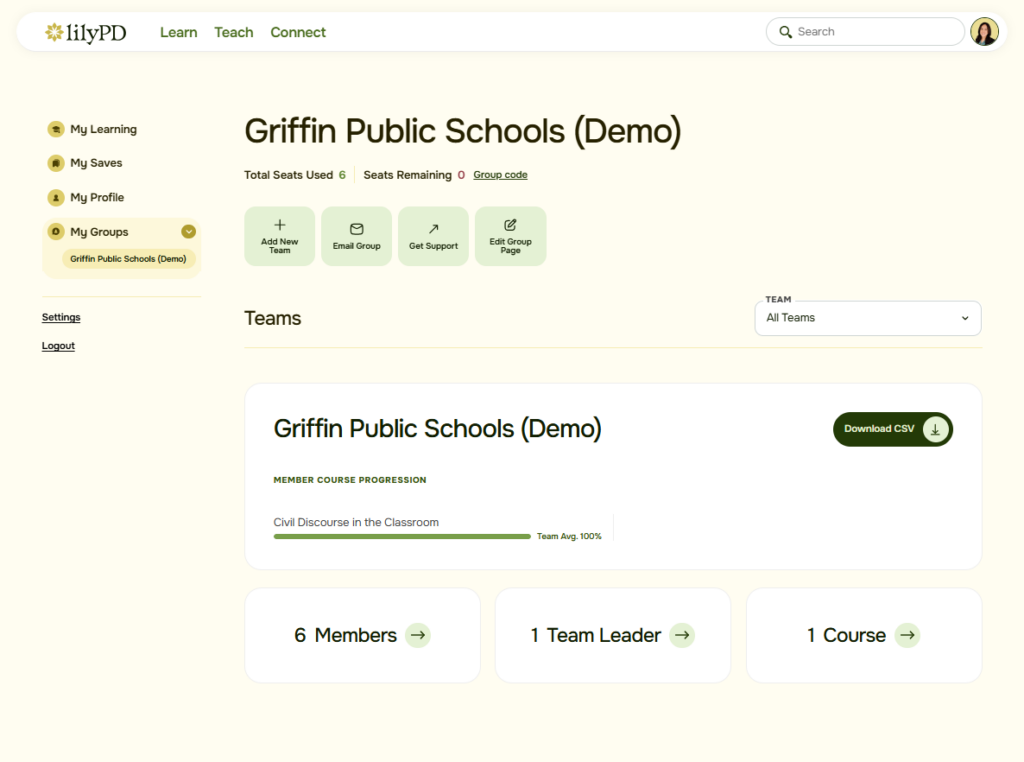
Managing professional learning just got easier. Explore our new Group Management Dashboard and learn about the creation of the lilyPD Success Playbook, designed to help school leaders track progress, support educators, and sustain momentum.

Written By
Dr. Ali Blankinship
at
William & Mary
New
K-12
group management dashboard
leader dashboard
lilyPD community
lilyPD teacher
professional development management

Pass the PD, Please: lilyPD Courses as Thanksgiving Sides
Sure, we all have our favorites, but we don’t look forward to Thanksgiving for just one dish. It’s the whole table: the sturdy stuff, the showy stuff, and the odd casserole that appeared in 1987 and never left. That’s how we think about professional learning, too. No single course feeds everything a teacher needs. You […]

Written By
Rebekah O’Dell
at
William & Mary
K-12
lilyPD community
lilyPD teacher
Professional Development
Classroom Close-Up: Monet Baker-Weatherspoon’s Learning Wall
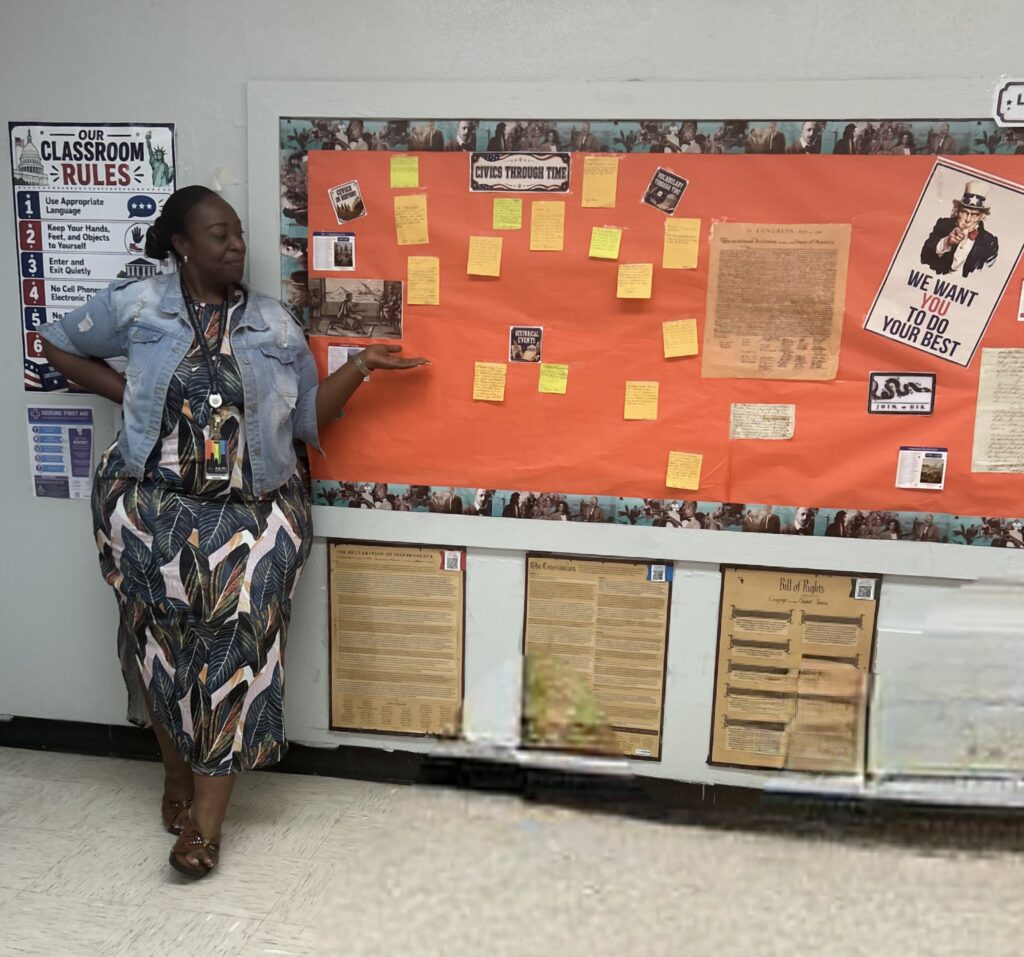
Monet Baker-Weatherspoon is a 7th grade civics teachers and social studies department chair in Jacksonville, Florida! She was also one of the 100 teachers in the inaugural class of We the Teachers. During her week at the We the Teachers summit, Monet participated in experiential modeling of learning walls — a flexible, collaborative learning strategy […]
Written By
Rebekah O’Dell
at
William & Mary
New
K-12
learning wall
lilyPD community
lilyPD teacher
strategy spotlight
We The Teachers
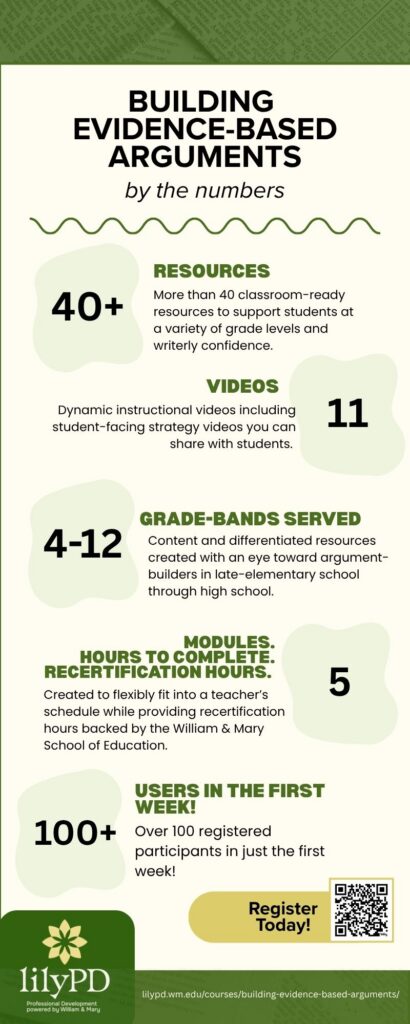
Building Evidence-Based Arguments by the Numbers
lilyPD launched Building Evidence-Based Arguments two weeks ago! So often, teachers attempt to teach the cognitive skills of argumentation — developing a claim, gathering and evaluating evidence, contextualizing arguments, organizing evidence — within the writing process. But these skills are big and take time to practice before writing can take place. And that’s what Building […]
Written By
Rebekah O’Dell
at
William & Mary
New
4-12
building evidence-based arguments
lilyPD community
lilyPD teacher
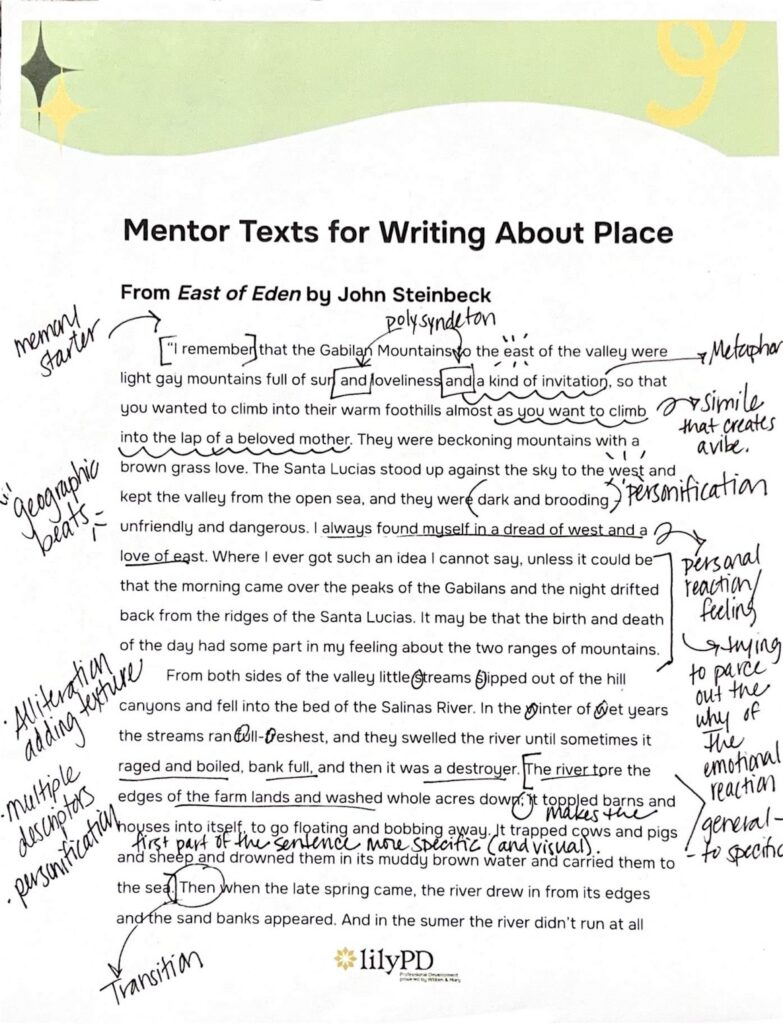
Mining Mentor Moves to Write About a Place
This is our final post in partnership with the National Writing Project's Write Out 2026, providing new resources and materials for place-based writing with your students! You can catch up on our previous posts: Exploring the Language of Place and Engaging the Historical Imagination in Place-Based Writing.
Written By
Rebekah O’Dell
at
William & Mary
9-12
lilyPD community
lilyPD teacher
National Writing Project
Write Out 2026
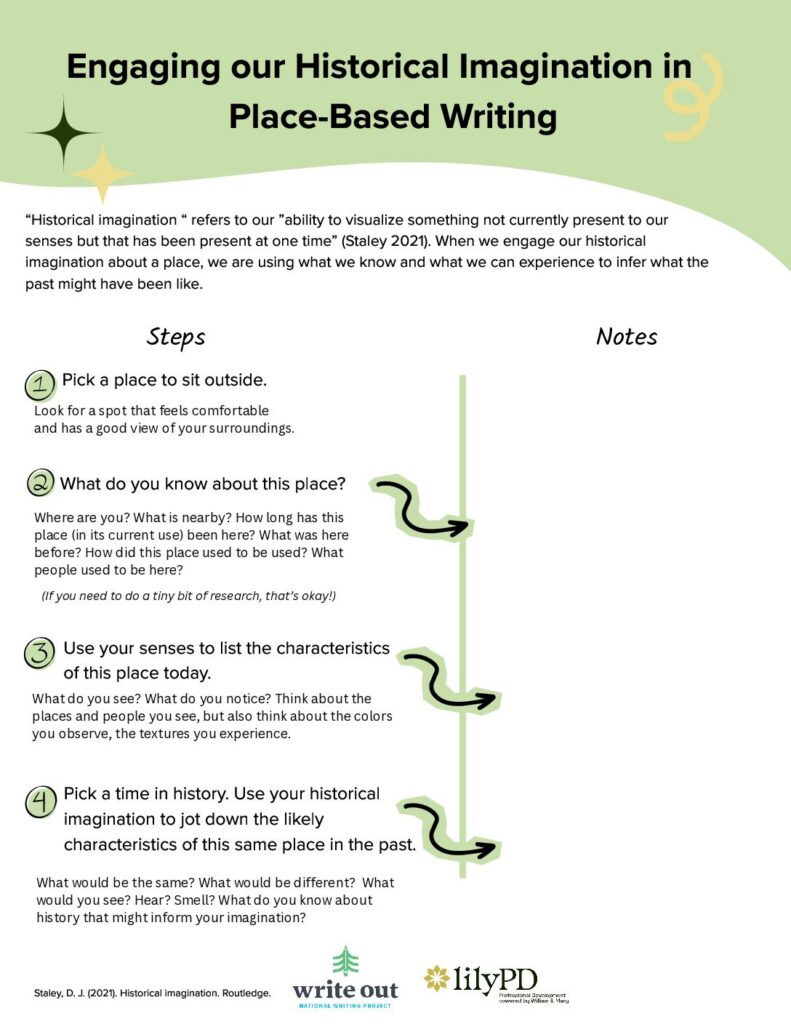
Engaging our Historical Imagination in Place-Based Writing
As part of our partnership with the National Writing Project’s Write Out 2026, we are sharing a few original resources and place-based writing activities to support student writers! You can check out our post on exploring the specific language of a place here. Ways to Use this Resource Want more resources? Check out the Write […]
Written By
Rebekah O’Dell
at
William & Mary
4-12
lilyPD teacher
National Writing Project
teaching takeaway
Write Out 2026
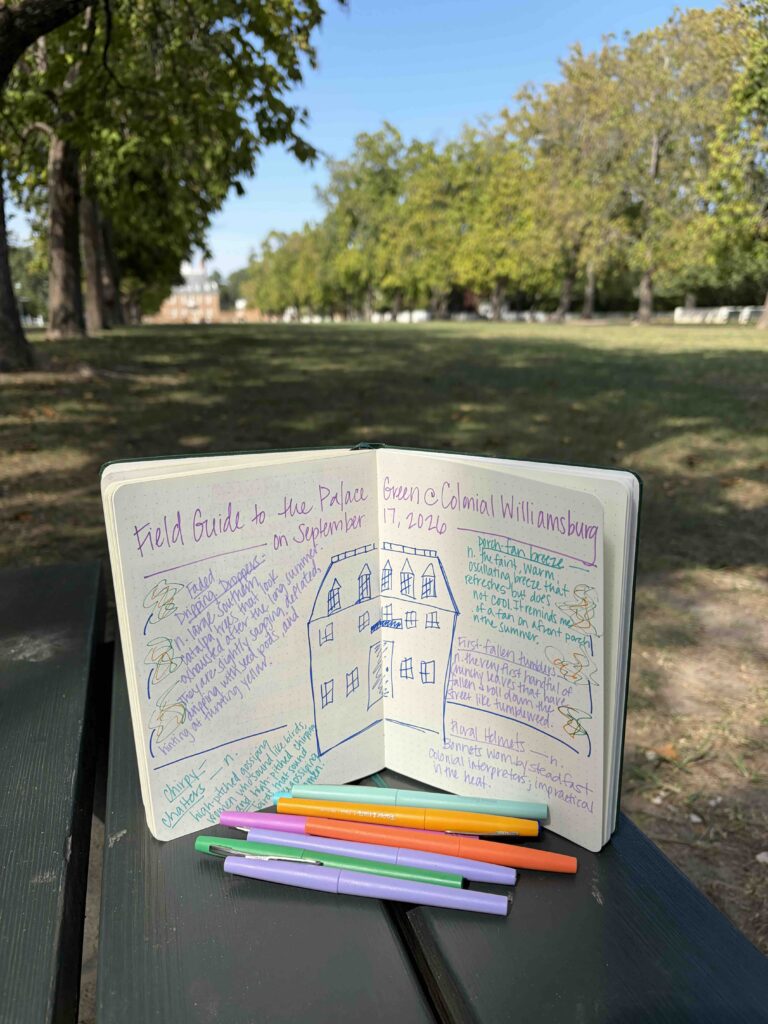
Exploring the Language of Place
lilyPD professional development powered by William & Mary is excited to be a partner of the National Writing Project’s Write Out 2026! This annual partnership between the National Writing Project and the National Park Service encourages people to get outside and write! As we celebrate this year’s Write Out (October 11 – 25), we’ll be […]
Written By
Rebekah O’Dell
at
William & Mary
K-12
lilyPD teacher
National Writing Project
Write Out 2026

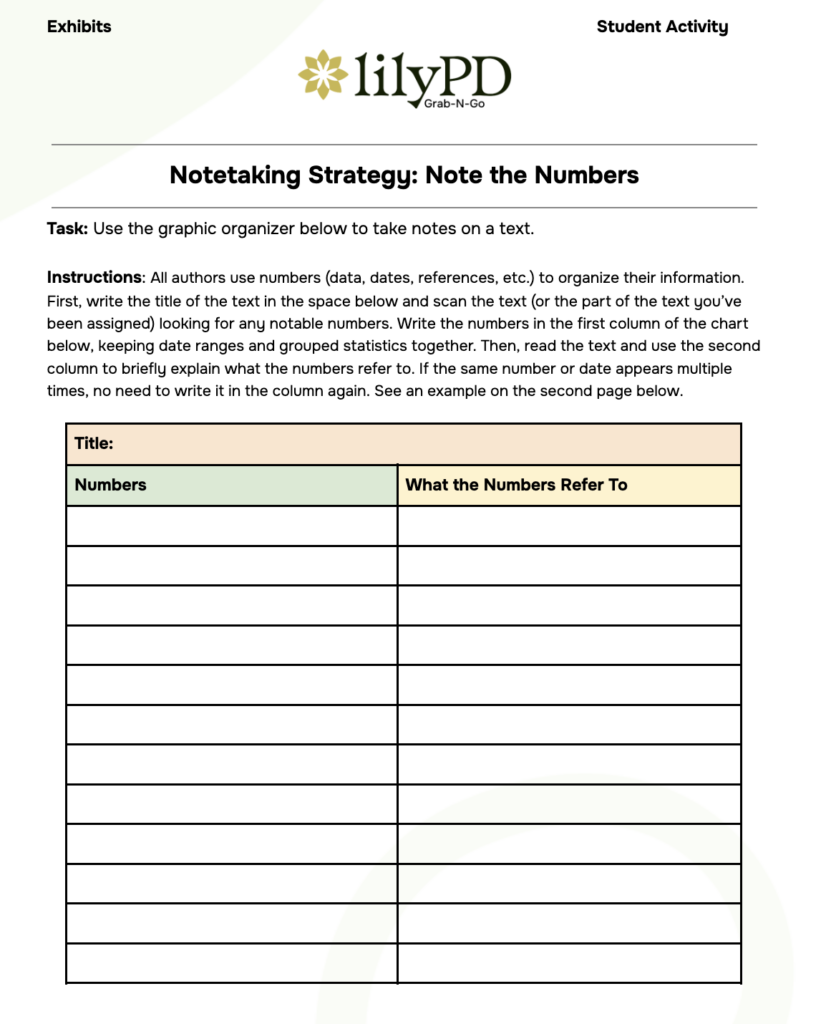
Teaching Takeaway: Using Numbers as a Launchpad for Reading Comprehension
In Reading Nonfiction: Notice and Note Stances, Signposts, and Strategies, researchers Kylene Beers and Bob Probst present five signposts — moments in a text that act like a flashing neon sign to the reader saying, “Slow down! Pay attention! Something important is happening!” One of these five most important signals in nonfiction is “numbers and […]
Written By
Rebekah O’Dell
at
William & Mary
4-12
content literacy
exhibits in the classroom
lilyPD teacher
literacy strategy
teaching takeaway

Nurturing New Teacher Growth All Year Long with lilyPD
If you've ever been a new classroom teacher, you probably remember the mix of excitement and uncertainty that came with those first few weeks. There was the anticipation of decorating your classroom, meeting your students, and putting your ideas into practice… AND also the reality that there was so much to learn. Between new systems and new colleagues, countless daily decisions, and the challenge of turning teacher preparation into effective classroom practice, that first year can feel overwhelming.
Written By
Dr. Ali Blankinship
at
William & Mary
K-12
Administrator Implementation
lilyPD community
lilyPD teacher
School Implementation
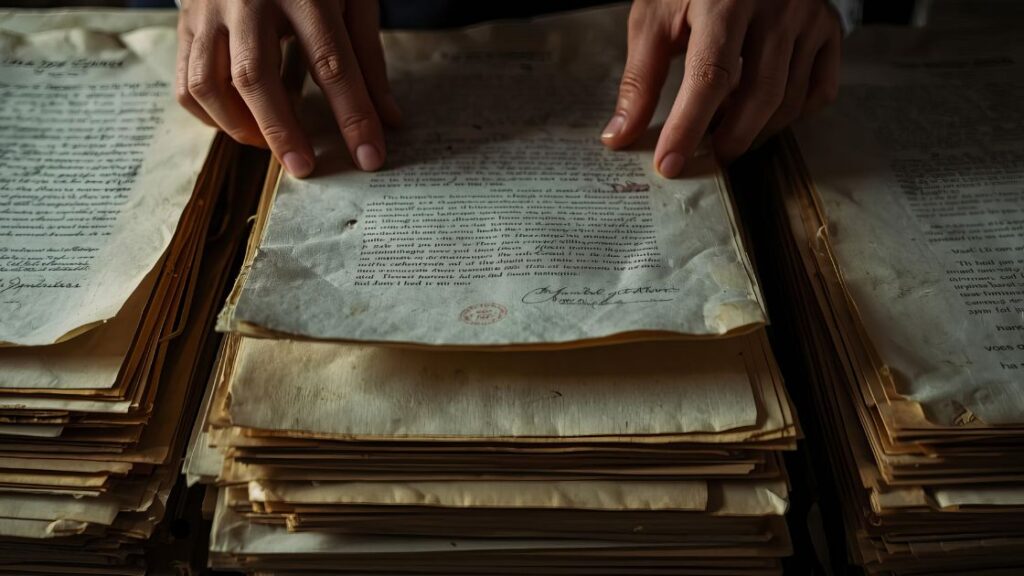
See It, Name It, Prove It: Making Primary Sources Click for Multilingual Learners
Let’s be honest. Social studies is one of the hardest content areas for Multilingual Learners (MLLs). It is not just the vocabulary, though there is a lot of it. It is everything at once: dense texts, abstract concepts like democracy and citizenship, multiple perspectives to hold in your head, and then on top of all […]

Written By
Allison O’Connor
at
William & Mary
6-12
multilingual learners
teaching takeaway

5 Ways to Weave lilyPD into Your School’s PD Ecosystem
As a school leader, you already know the challenge: professional development time is precious, schedules are packed, and the needs of your teachers vary. Resources that can adapt to different contexts give you something rare: real options for supporting your teachers’ growth. lilyPD was designed with exactly that flexibility in mind. Our skills-based online microcourses work as a standalone self-paced experience or as the backbone of structured, collaborative learning. Here are five practical ways you can easily integrate lilyPD into your school’s existing PD ecosystem.
Written By
Dr. Ali Blankinship
at
William & Mary
New
K-12
Instructional Coaching
lilyPD community
lilyPD Instructional Leaders
lilyPD teacher
Professional Learning Community
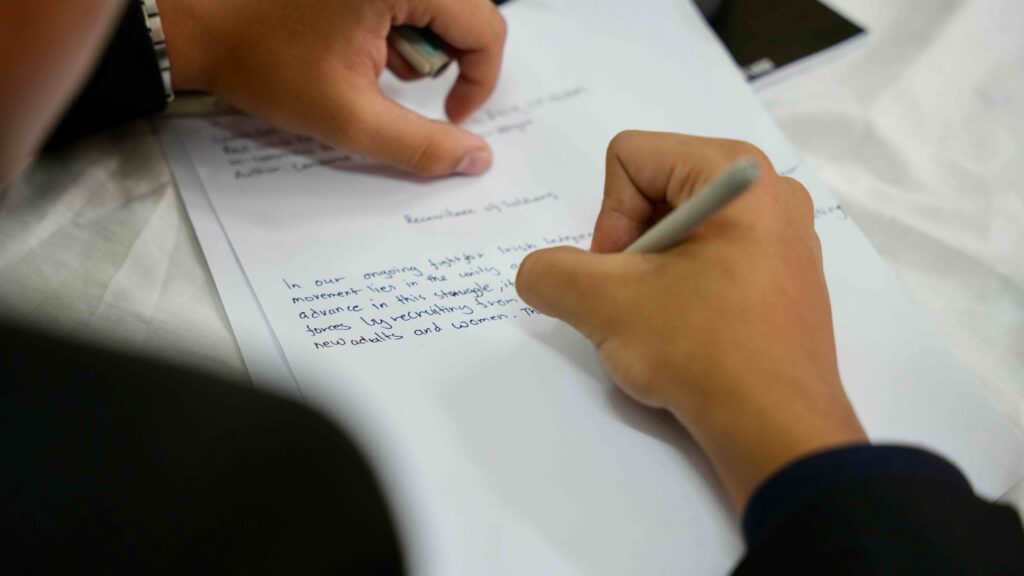
Strategy Spotlight: Silent Round Tables
Today’s Strategy Spotlight, Silent Round Tables, comes from our microcourse Civil Discourse in the Classroom, which introduces educators to a research-backed framework for facilitating productive, respectful dialogue in classrooms of all levels. You can enroll in the course here or browse our library of related resources! The Challenge We all want our classrooms to buzz […]
Written By
Rebekah O’Dell
at
William & Mary
Civil Discourse in the Classroom
lilyPD
strategy spotlight
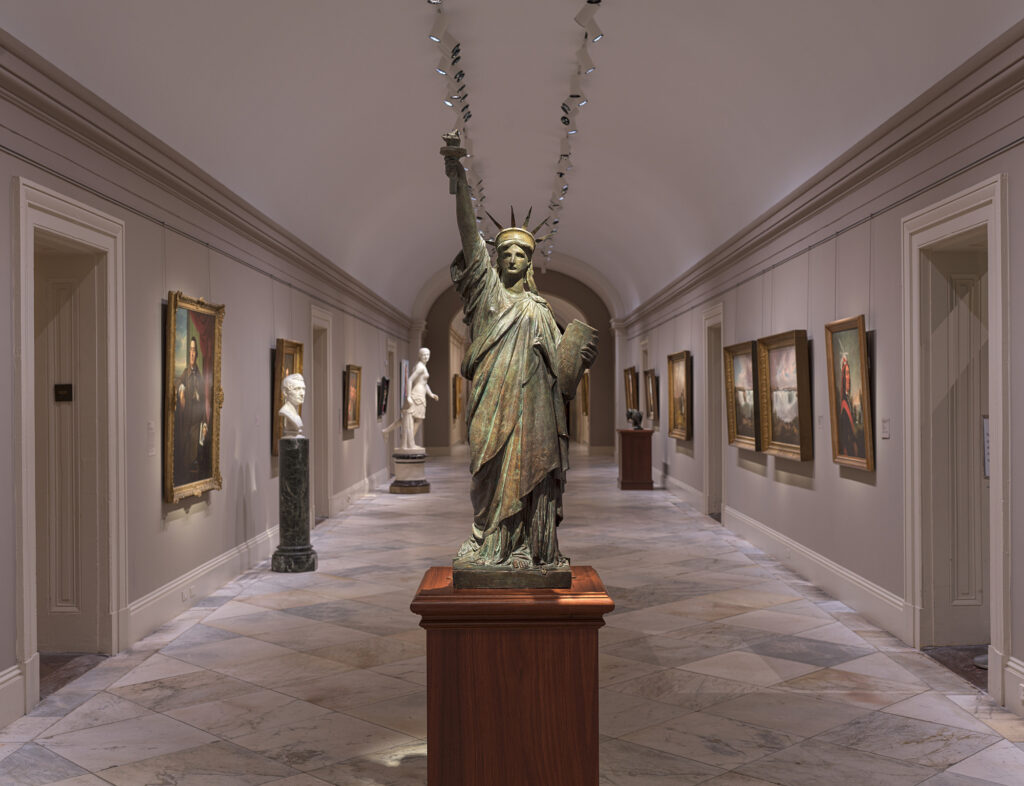
A Reflection on Teaching the American Revolution at 250
Patriotism cannot be taught. What we can do is teach American history with fidelity and trust that, as students examine both the ideals expressed in our founding documents and the ways Americans have struggled to fulfill those ideals, they will develop a deeper appreciation for the nation's enduring promises—and perhaps an even greater sense of responsibility for preserving and extending them.

Written By
Sam Futrell
at
William & Mary
K-12
america 250
american historical association
content literacy
free resource
horizon of independence
primary source analysis
social studies
teaching takeaway
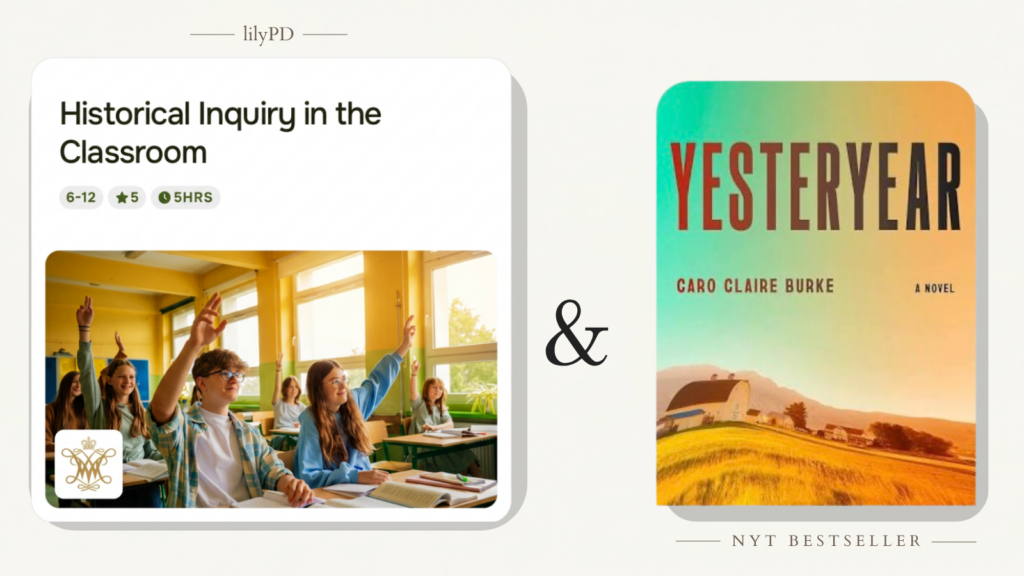
If lilyPD Courses Were New York Times Bestsellers…
Every school year, I save a million tasks (house projects, doctor’s appointments, car maintenance, large-scale clean-outs of overloaded closets) and designate them as Problems for My Summer Self. I can’t possibly manage these tasks during the sprint of the school year. But in the summer, I know it will get done. Mostly, this is delusional. […]
Written By
Rebekah O’Dell
at
William & Mary
New
Artifact Analysis
Civil Discourse in the Classroom
Historical Inquiry in the Classroom
lilyPD
microcourse
Nonfiction Reading Strategies
Podcasting for Educators
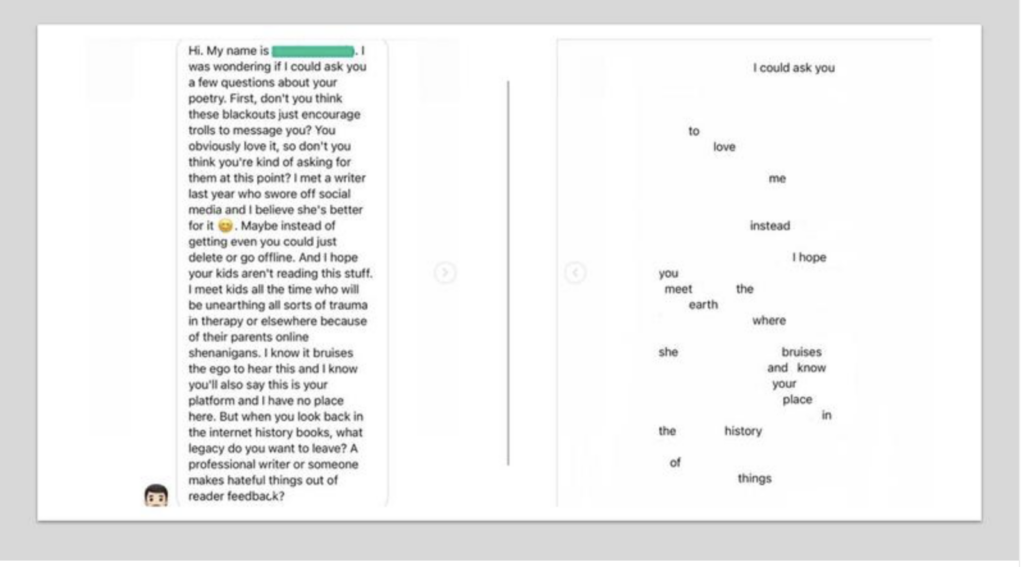
Teaching Takeaway: Found Poems for Higher-Order Thinking
Poet Kate Baer has made a game of taking online hate-mail and transforming it into erasure poetry, a type of found poem. In a found poem, a writer takes key words from another text, arranges and rearranges them, and creates a completely new, original work. In her erasure poems, Baer takes something meant to attack […]
Written By
Rebekah O’Dell
at
William & Mary
content literacy
free resource
Literacy
microcourse
primary source analysis
teaching takeaway
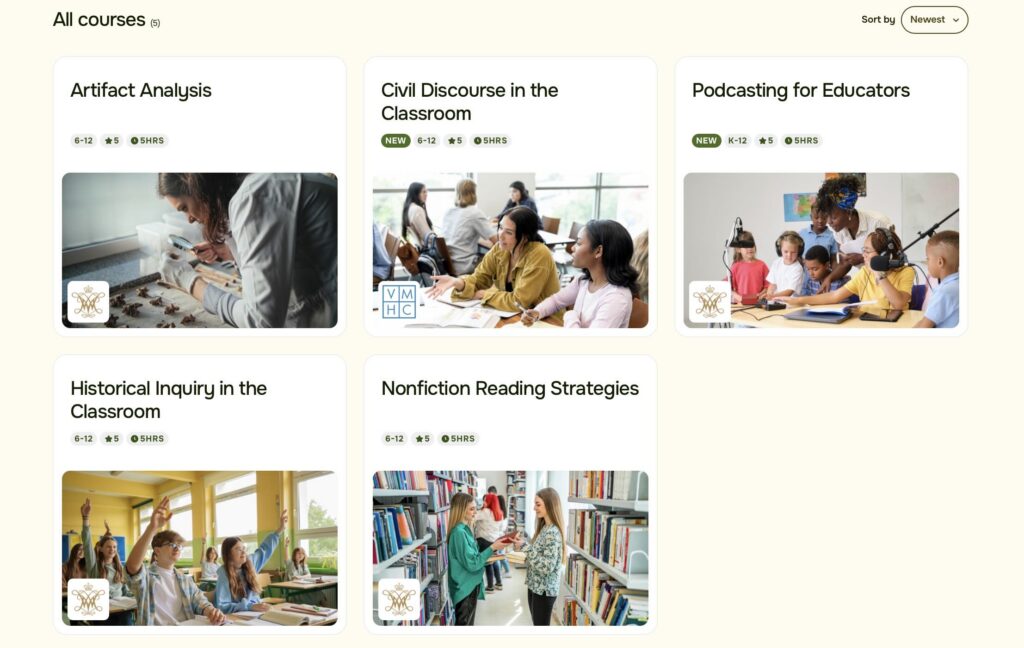
3 Ways to Use lilyPD to Super-Charge Your Summer Learning
Let’s be honest: you need a break this summer. A true break. Time to sleep in, read a silly book, and soak up the long, slow evenings. You have had a school year that I bet was both challenging and rewarding. You have earned some rest. But time away can also be clarifying; it helps […]
Written By
Rebekah O’Dell
at
William & Mary
lilyPD community
lilyPD teacher
Professional Learning
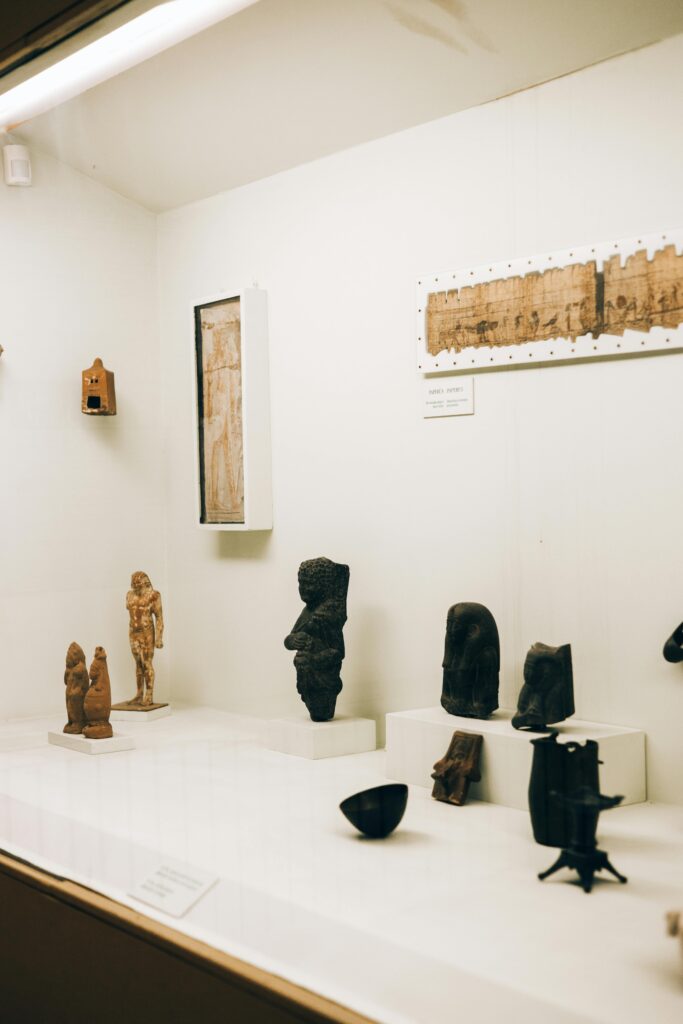
Stop Rushing Past Artifacts: Why Slowing Down Changes Everything
Engaging with artifacts in the classroom can be used as a tool to move from surface‑level observations to deeper questions and reasoned interpretations, and it can be fun too!
Written By
Allison O’Connor
at
William & Mary
K-12
Artifact Analysis
strategy spotlight

Explore Word Gaps for an Instant Reading Comprehension Boost
A “word gap” is a word or phrase that a student doesn’t know (Beers and Probst, 2015). A word gap might represent a brand new word the student has never seen before or a word they can understand from context but can’t define. The Collect and Explore Word Gaps strategy asks students to bring together the word gaps they find in a text and then explore them. This strategy is about more than simply learning new language, though. Collecting and exploring not only these individual words but the patterns they form can also help readers understand the big ideas of a text.
Written By
Rebekah O’Dell
at
William & Mary
K-12
content literacy
Literacy
strategy spotlight
Teachers & Instructors
Sort by
Dr. Ali Blankinship
3 Contributions

Conor Molloy
3 Contributions
Sam Futrell
70 Contributions
Allison O’Connor
4 Contributions
Rebekah O’Dell
131 Contributions