Teach
Discover classroom-ready resources and teaching materials – all customizable – designed to quickly integrate into your teaching practice.
Featured resources
Media Literacy Strategy: Fact Checking
Course:
Historical Inquiry in the Classroom
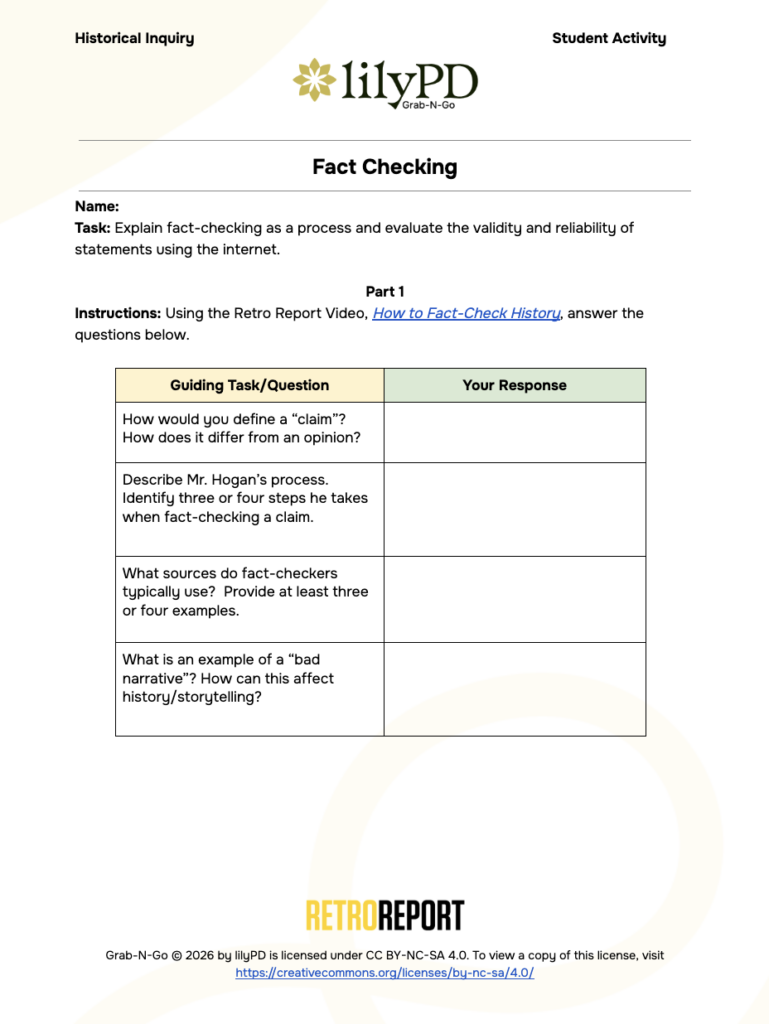
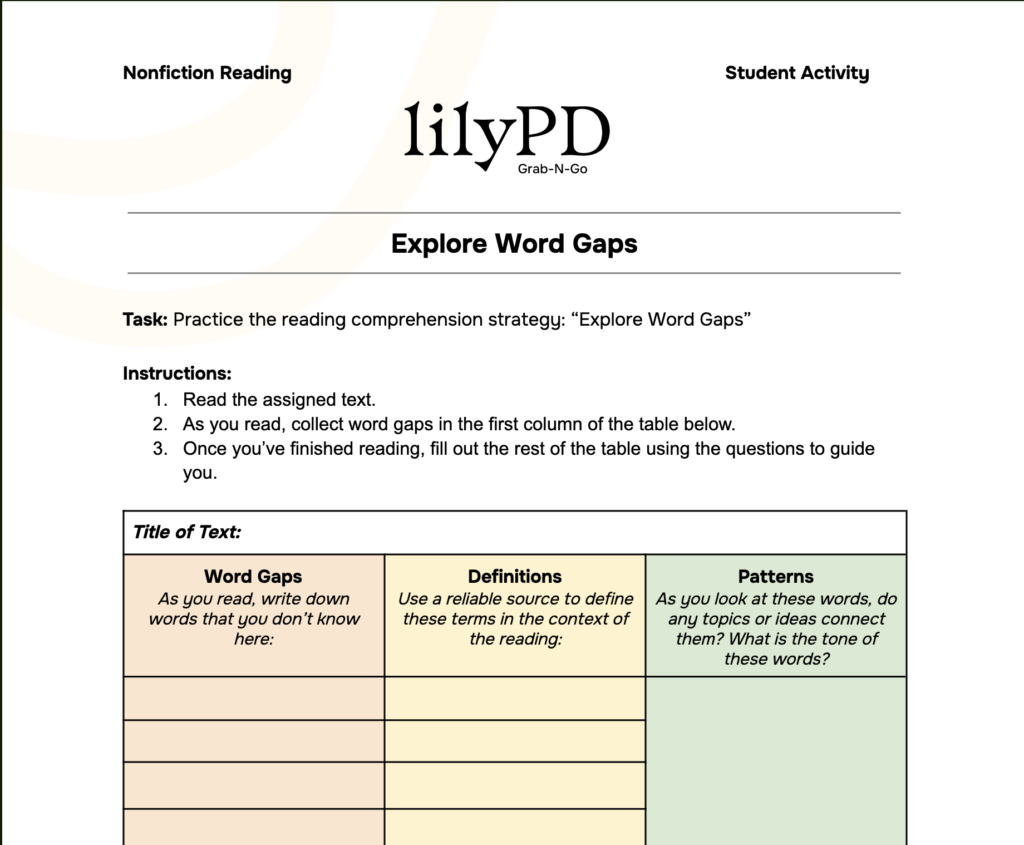
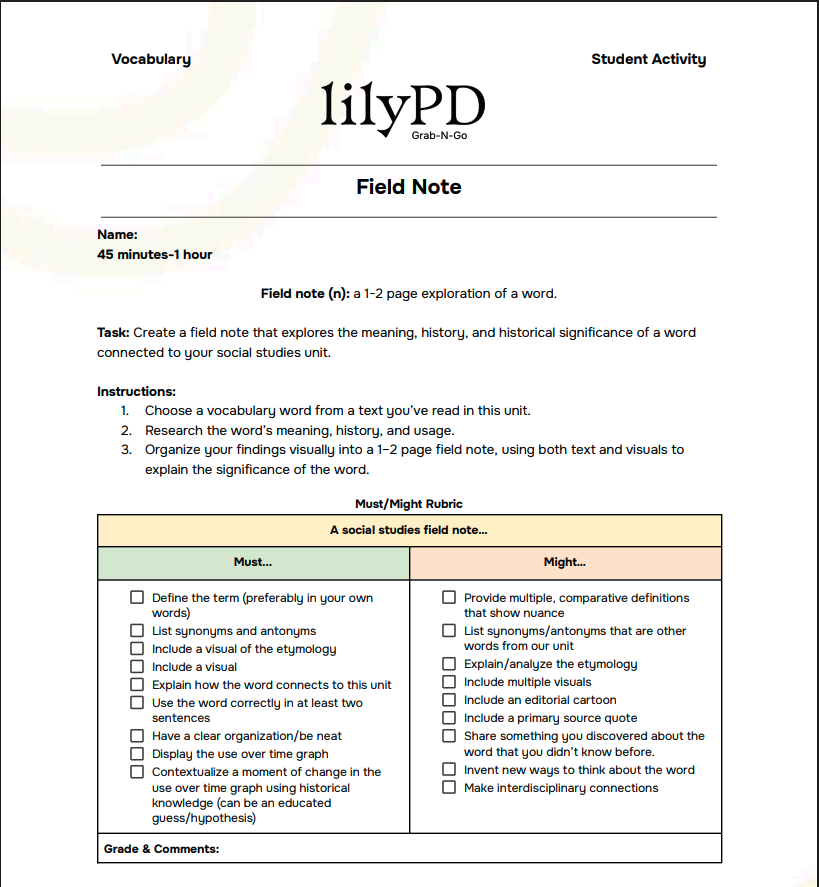
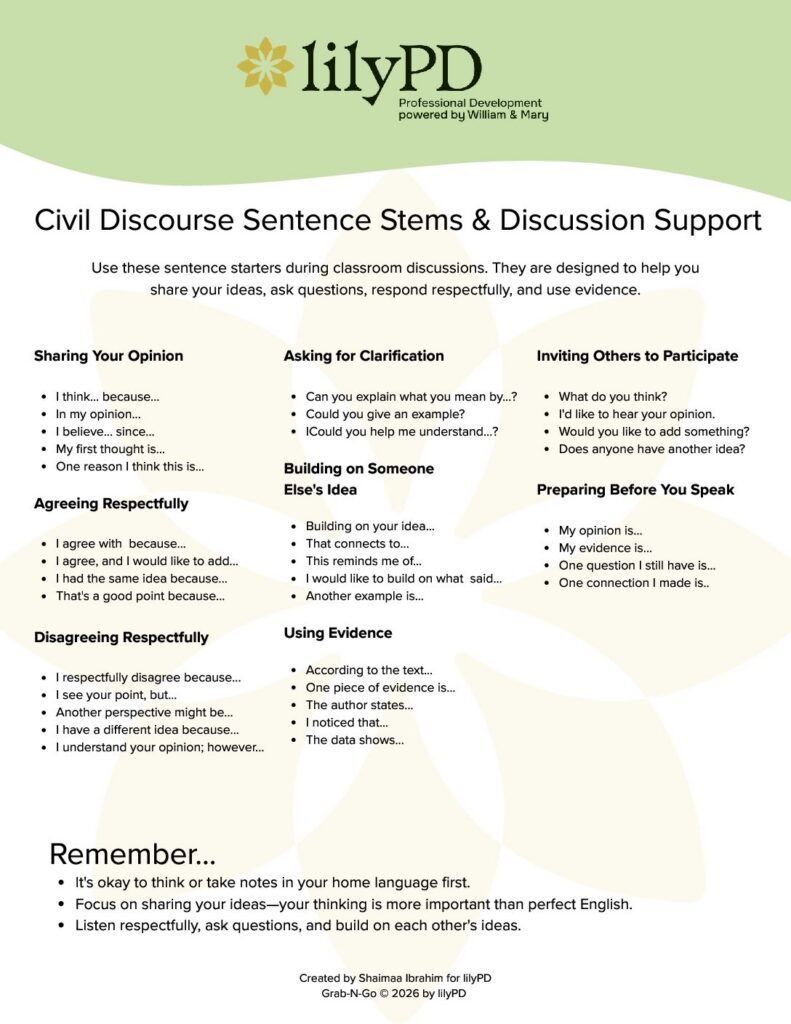
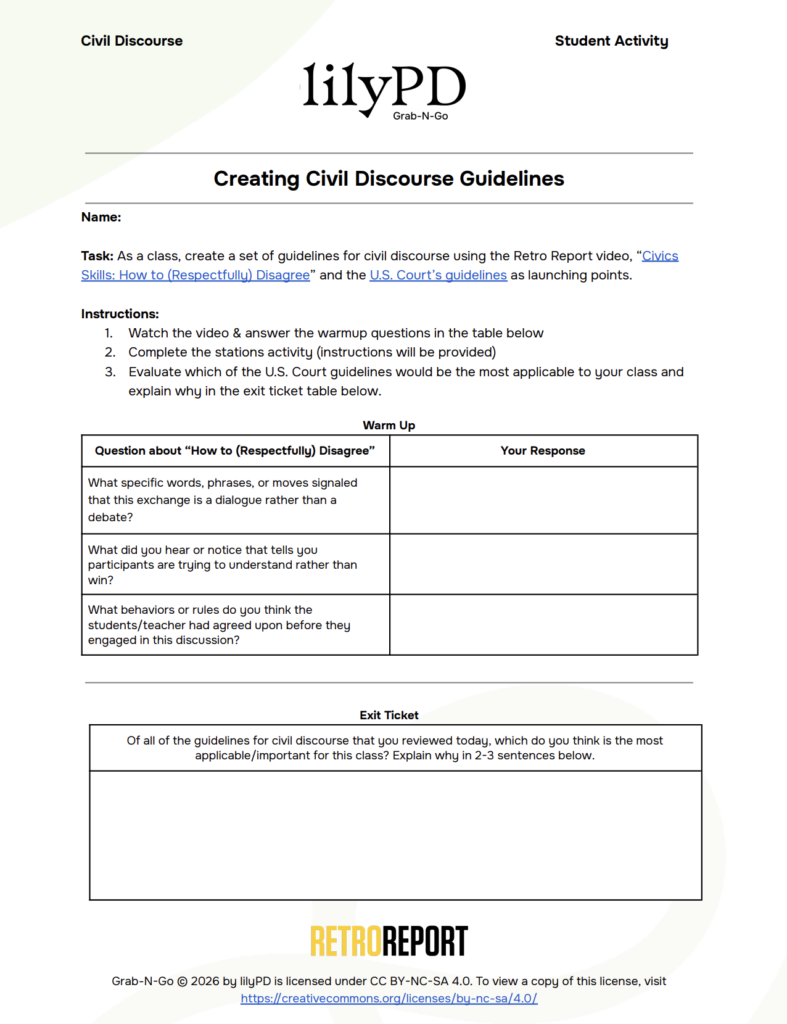
Creating Class Guidelines for Civil Discourse
Course:
Civil Discourse in the Classroom
All resources (172)
Civil Discourse Sentence Stems and Discussion Support for Multilingual Learners
Course:
Civil Discourse in the Classroom
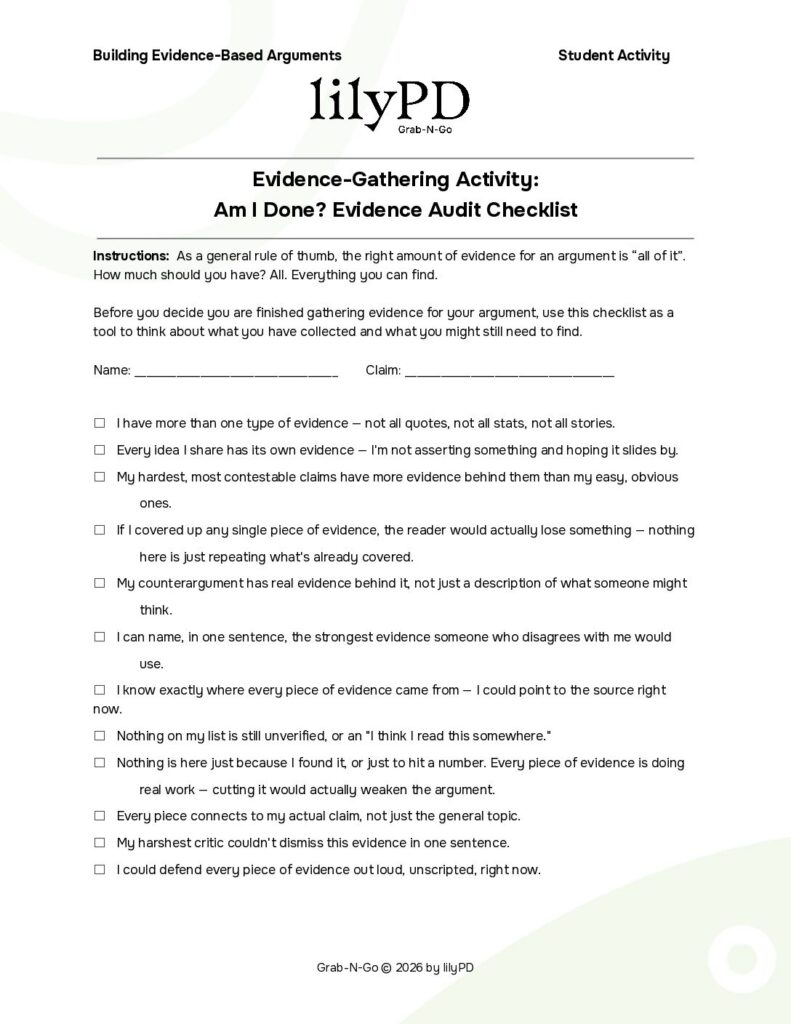
Evidence-Gathering Activity: Am I Done? Evidence Audit Checklist
Course:
Building Evidence Based Arguments
Argument Strategy: Claim or Not-a-Claim Game (Older Students)
Course:
Building Evidence Based Arguments
Argument Strategy: Claim or Not-a-Claim Game (Younger Students)
Course:
Building Evidence Based Arguments
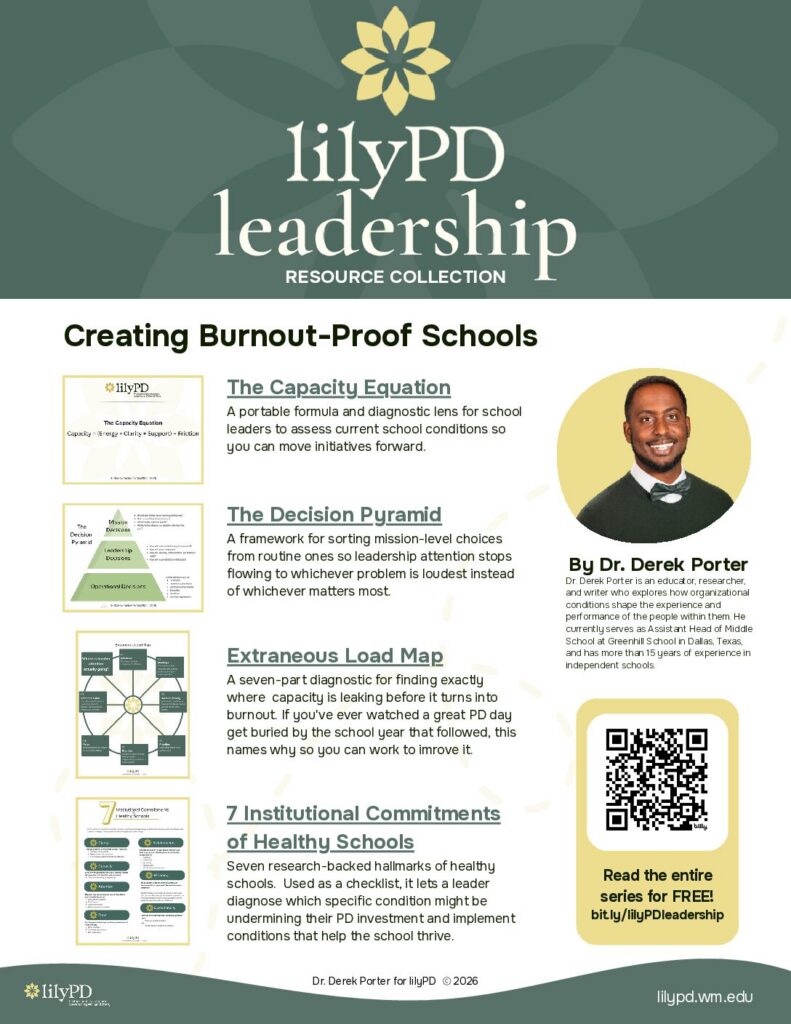
Creating Burnout Proof Schools Resource Collection
Course:
Active Learning Fundamentals: Engaging Secondary Students
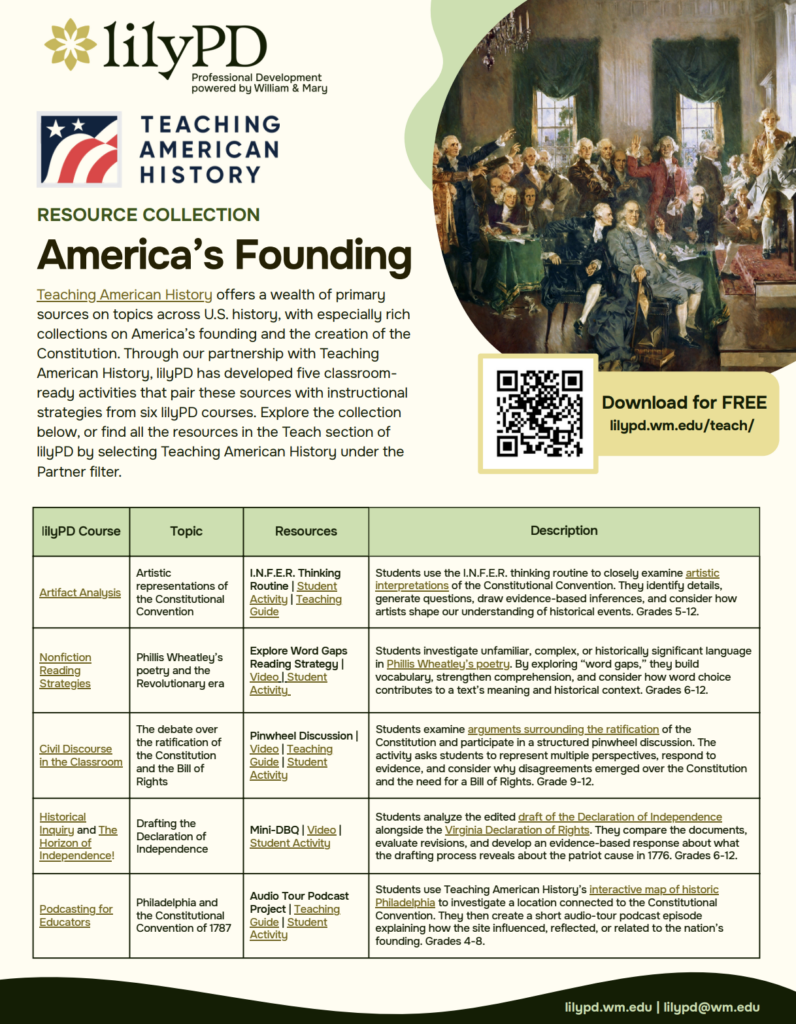
Teaching American History Resource Collection
Course:
The Horizon of Independence
Mini Podcasting Project: Audio Tour of Philadelphia with Teaching American History
Course:
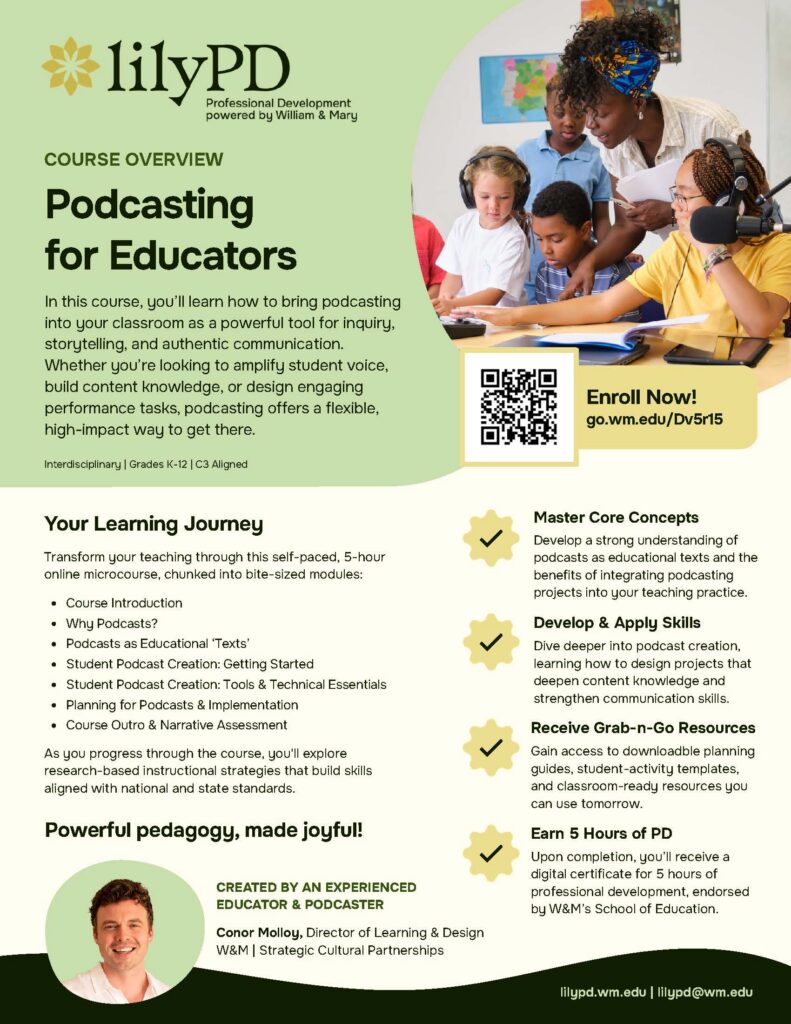
Podcasting for Educators
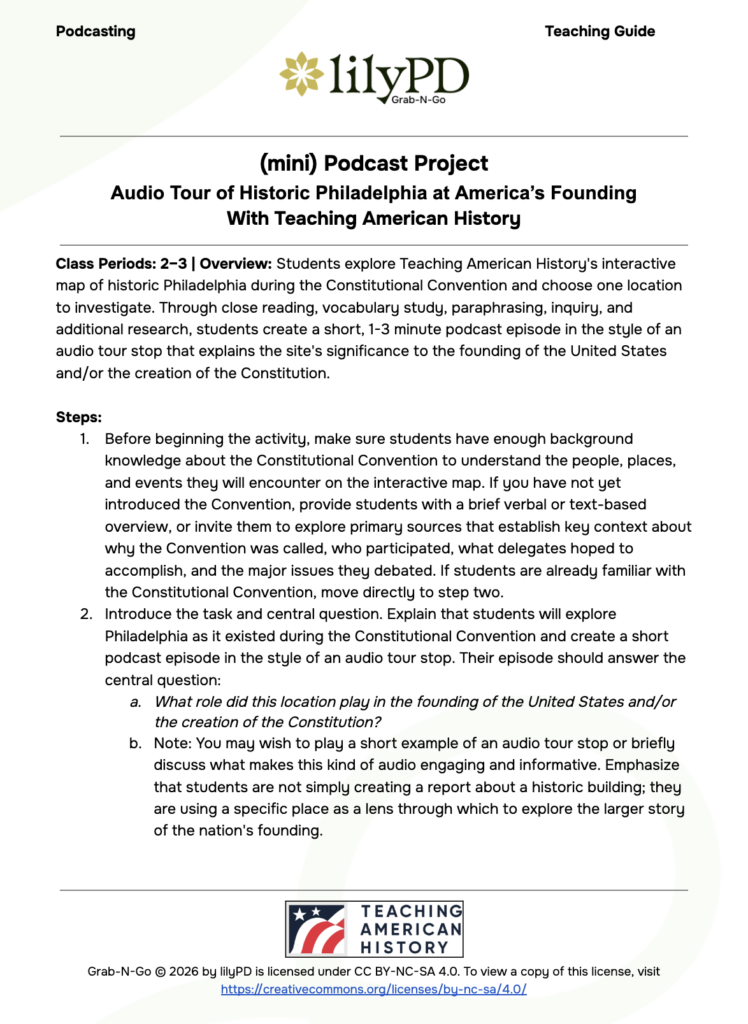
Mini Podcast Project: Audio Tour of Philadelphia with Teaching American History
Course:
Podcasting for Educators
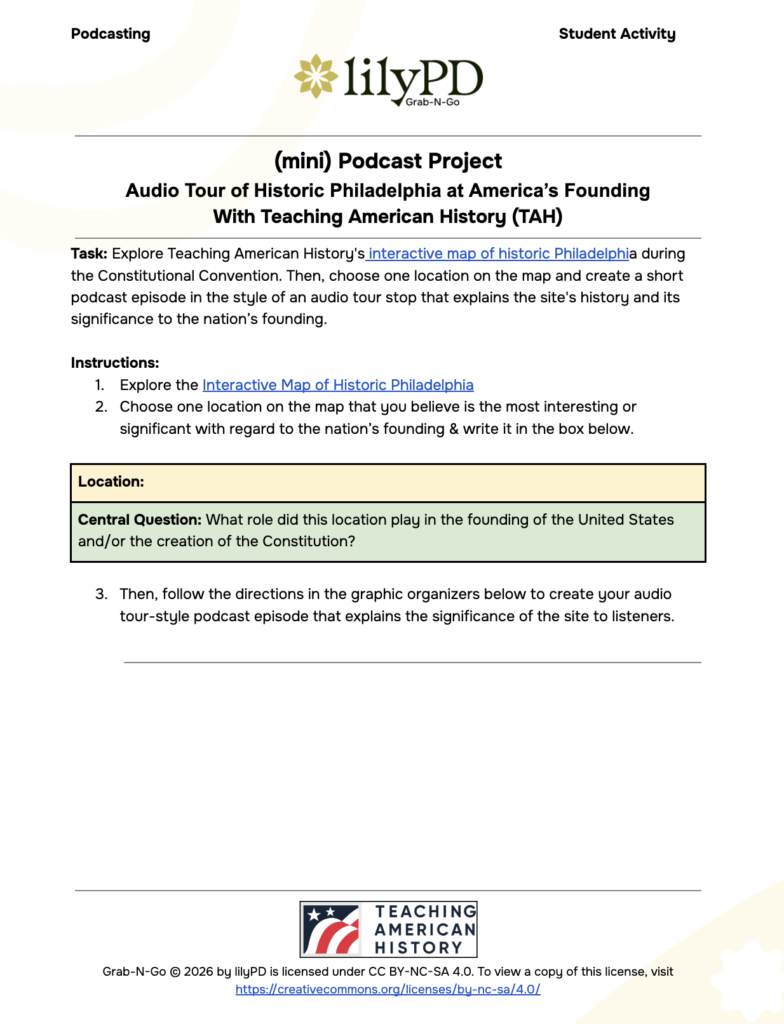
Mini DBQ: The Declaration of Independence with Teaching American History
Course:
Historical Inquiry in the Classroom
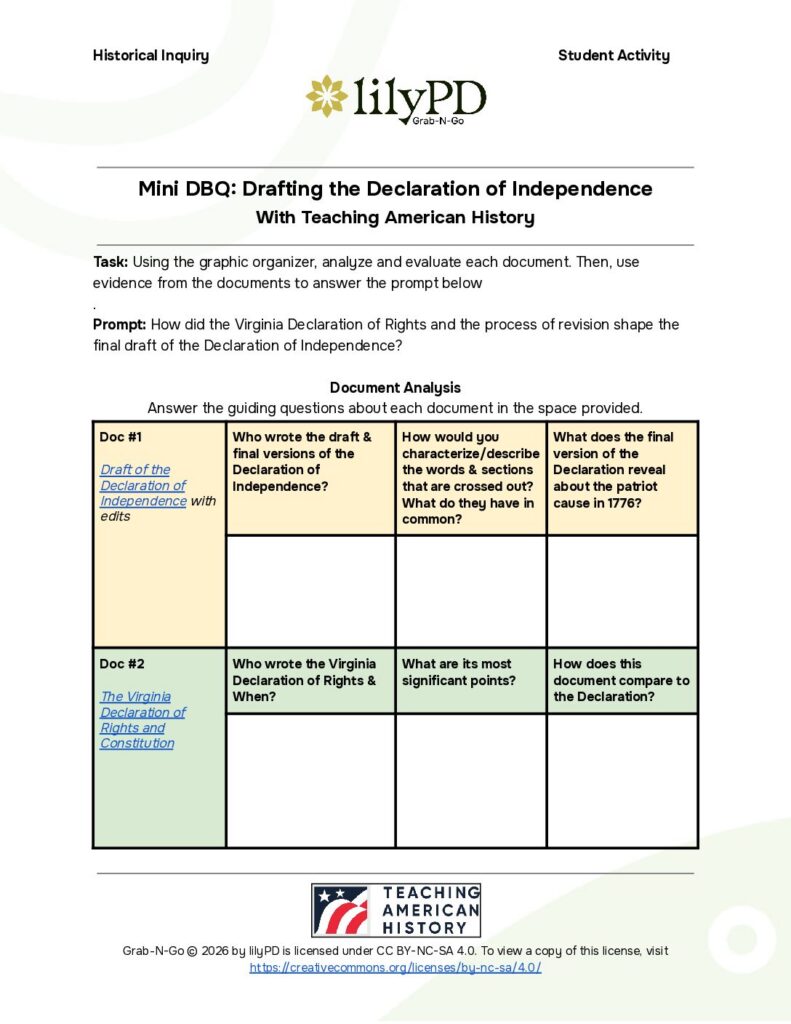
Pinwheel Discussion: Ratifying the Constitution with Teaching American History
Course:
Civil Discourse in the Classroom
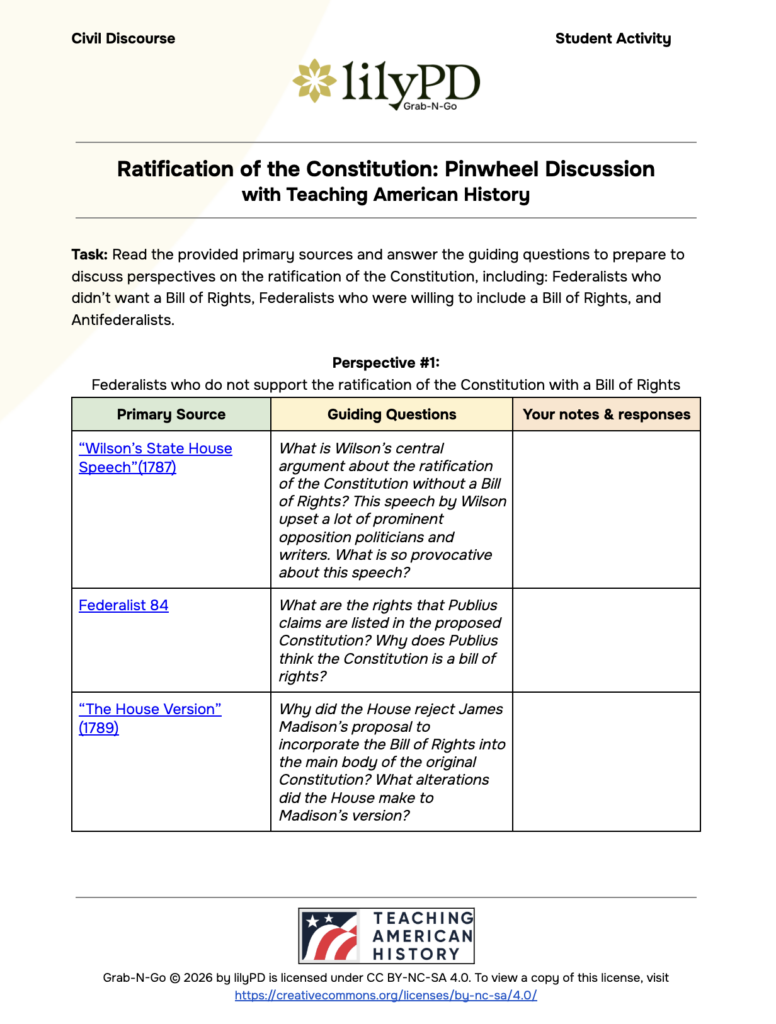
Pinwheel Discussion: Ratifying the Constitution with Teaching American History
Course:
Civil Discourse in the Classroom
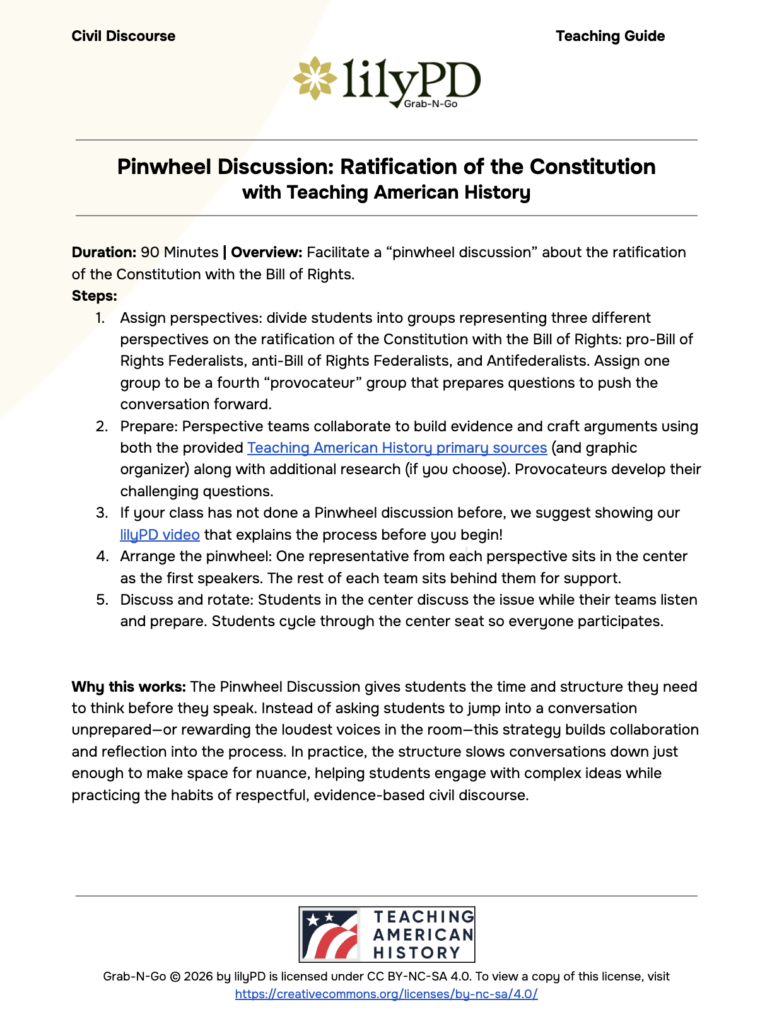
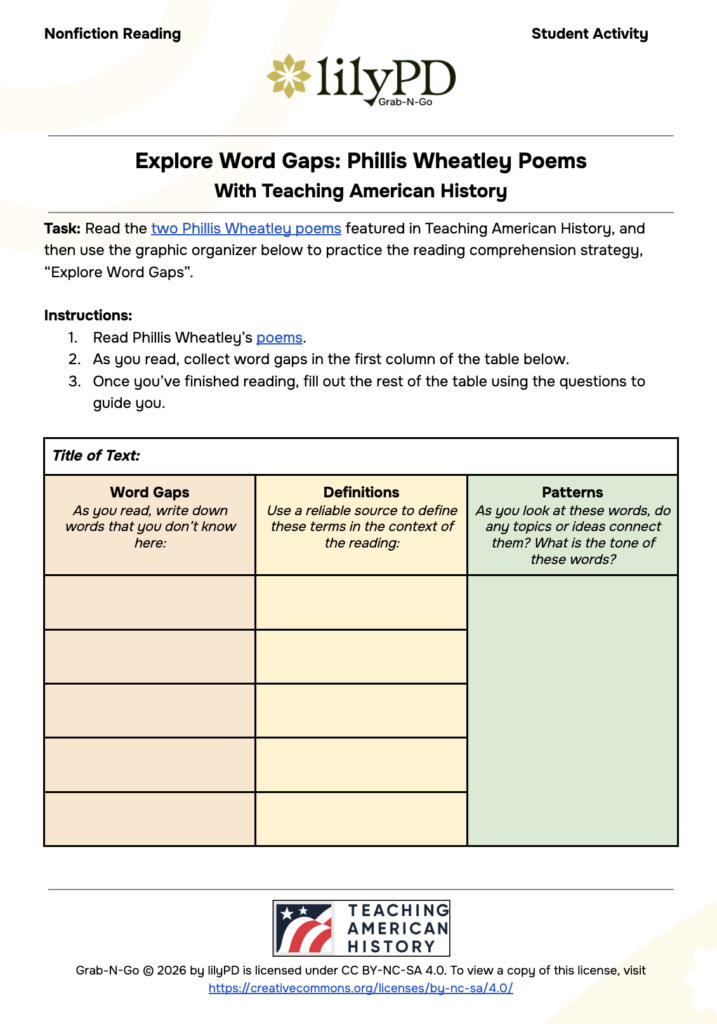
Literacy Strategy: Explore Word Gaps in Phyllis Wheatley Poems with Teaching American History
Course:
Nonfiction Reading Strategies
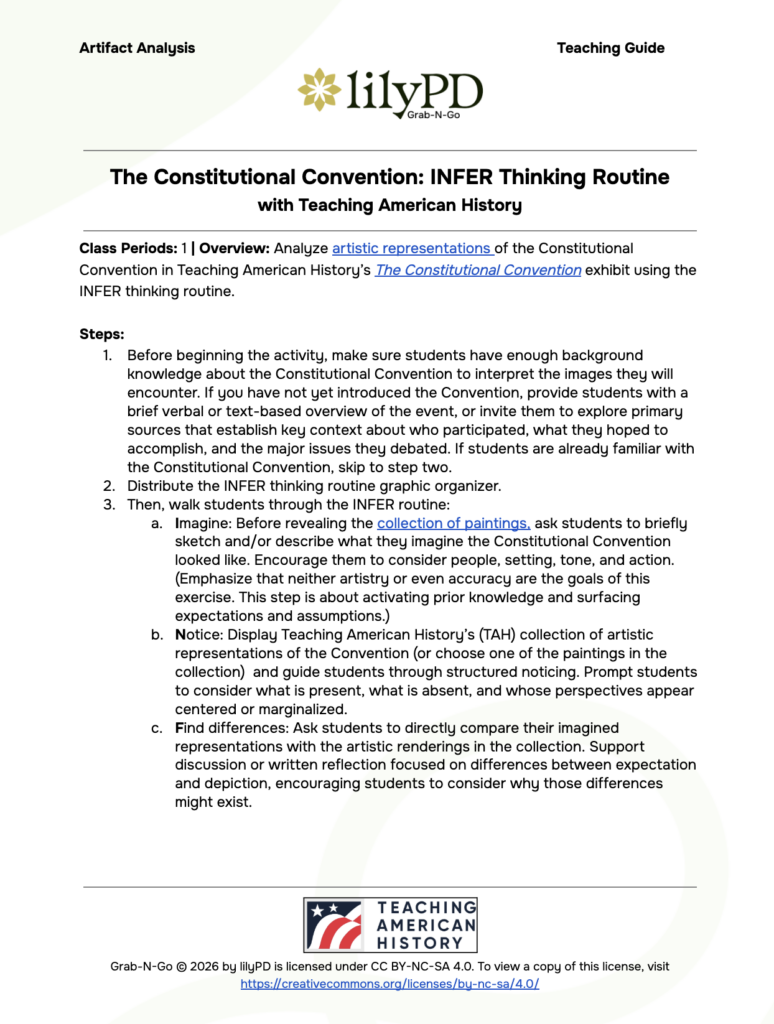
The Constitutional Convention: INFER Thinking Routine with Teaching American History
Course:
Artifact Analysis
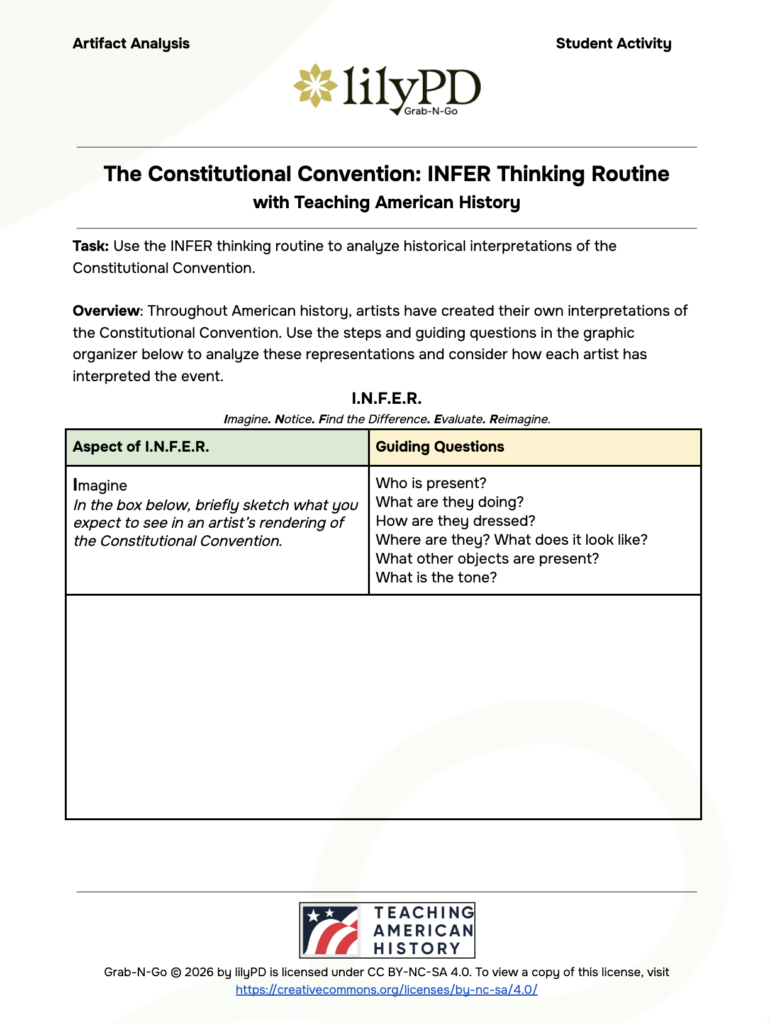
The Constitutional Convention: INFER Thinking Routine with Teaching American History
Course:
Artifact Analysis
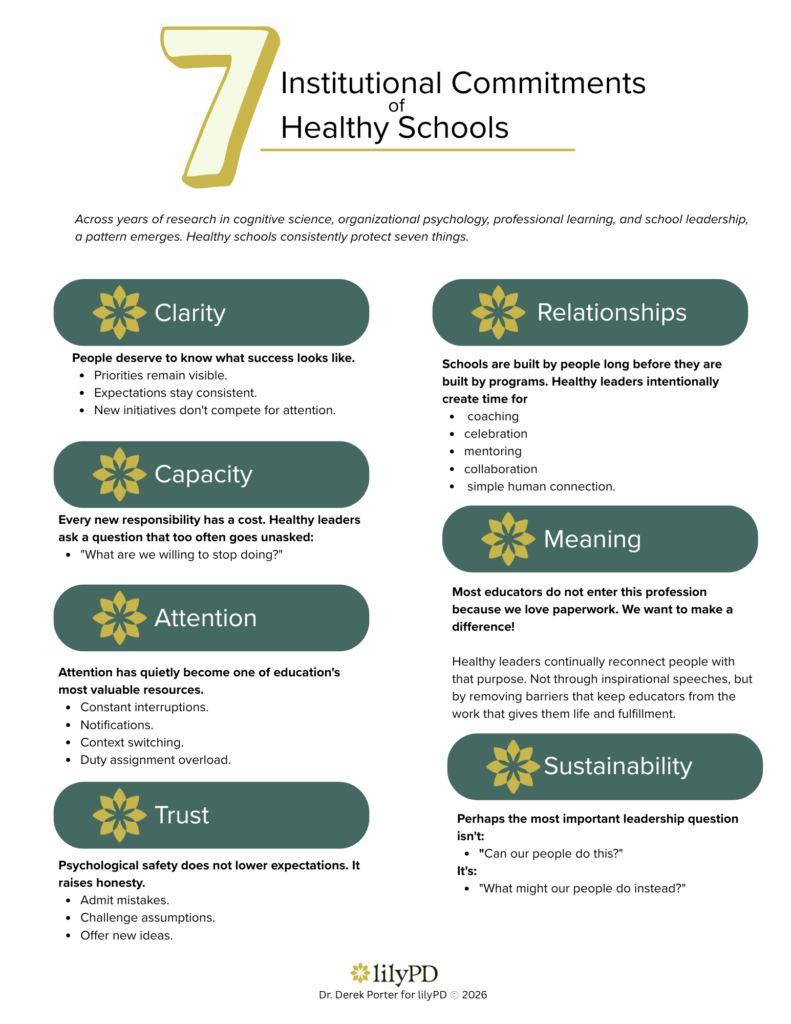
7 Institutional Commitments of Healthy Schools
Course:
Active Learning Fundamentals: Engaging Secondary Students
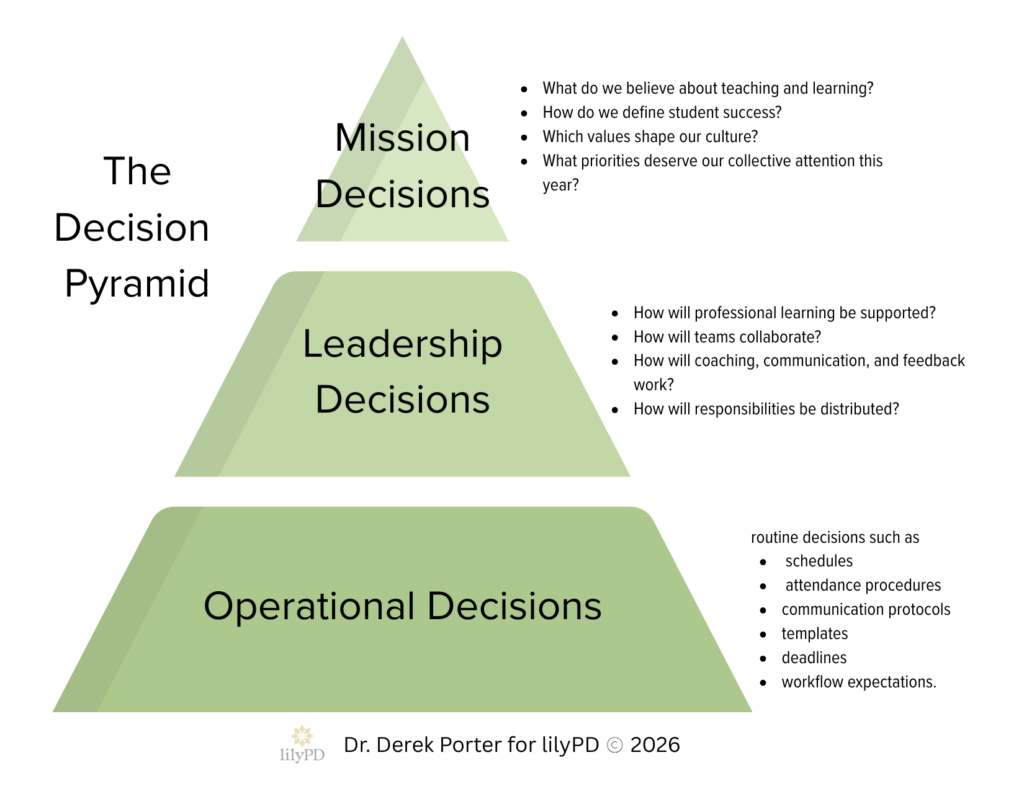
Decision Pyramid
Course:
Active Learning Fundamentals: Engaging Secondary Students
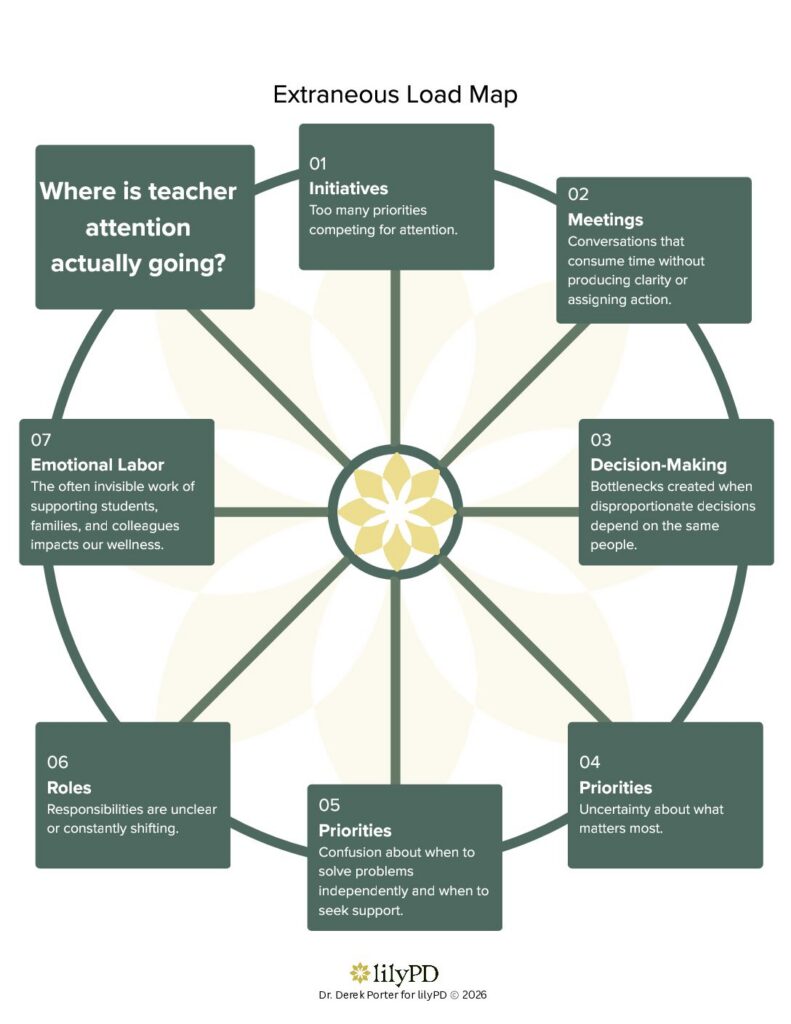
Extraneous Load Map
Course:
Active Learning Fundamentals: Engaging Secondary Students
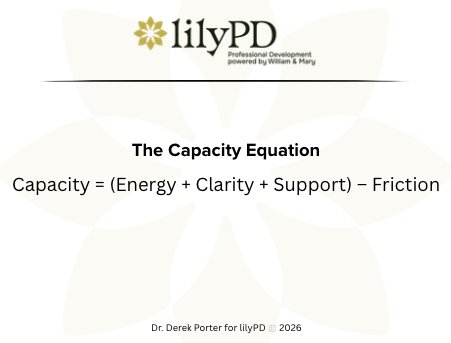
The Capacity Equation
Course:
Active Learning Fundamentals: Engaging Secondary Students
One-Minute Arguments with 250 to 250 Slides
Course:
Building Evidence Based Arguments
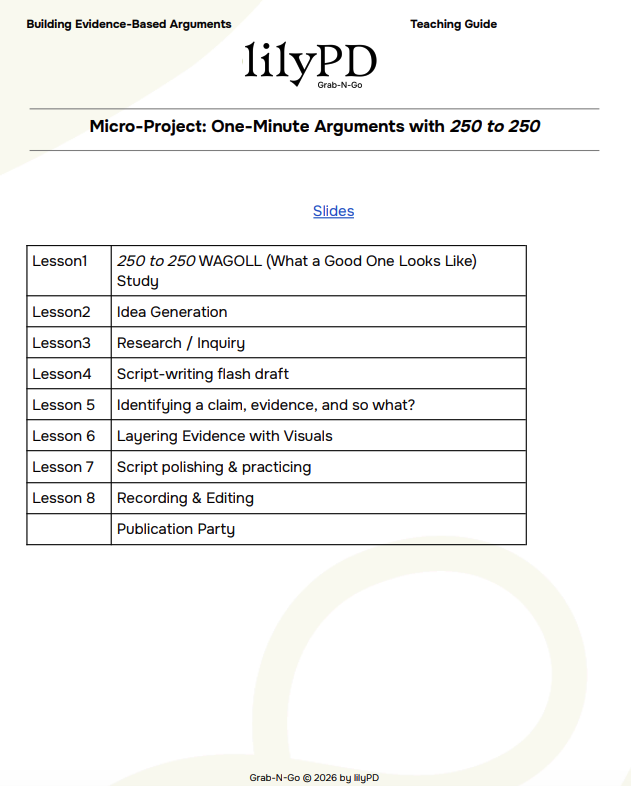
Micro-Project: One-Minute Arguments with 250 to 250
Course:
Building Evidence Based Arguments
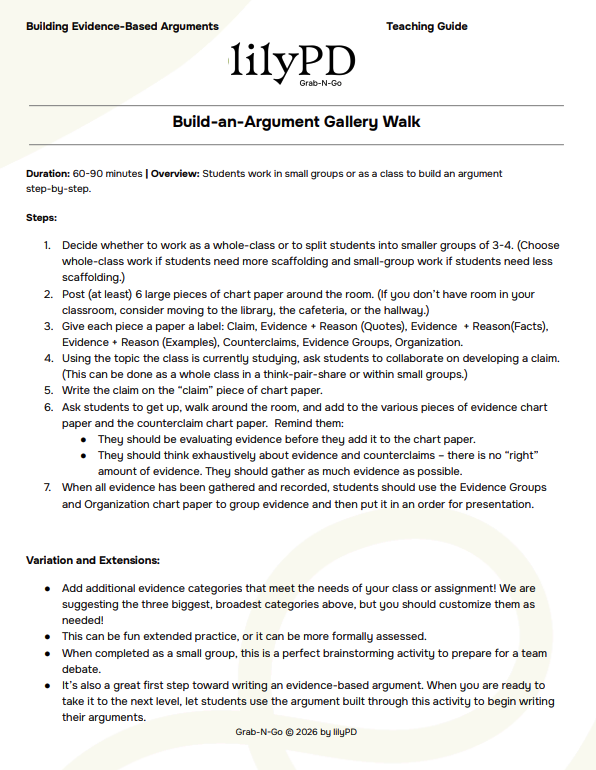
Argument-Building Practice: Build-an-Argument Gallery Walk
Course:
Building Evidence Based Arguments
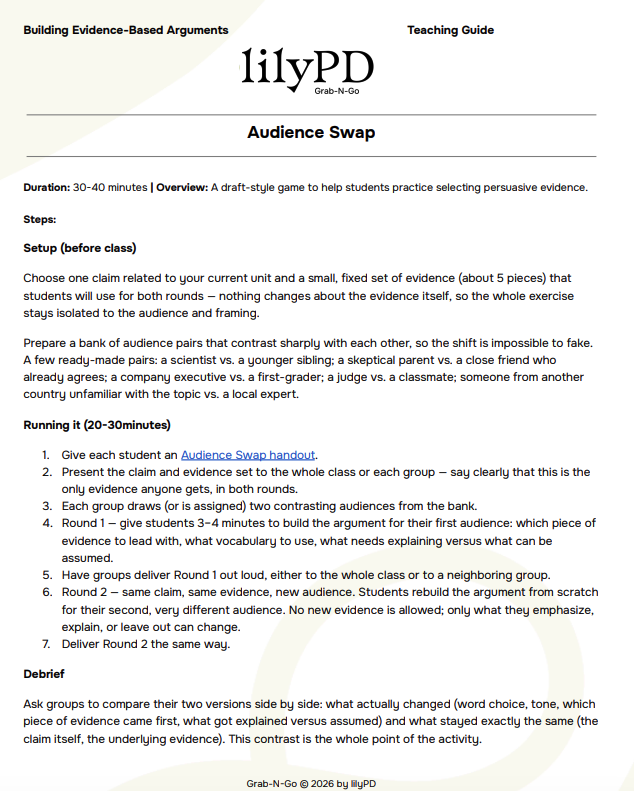
Argument-Building Practice: Audience Swap
Course:
Building Evidence Based Arguments
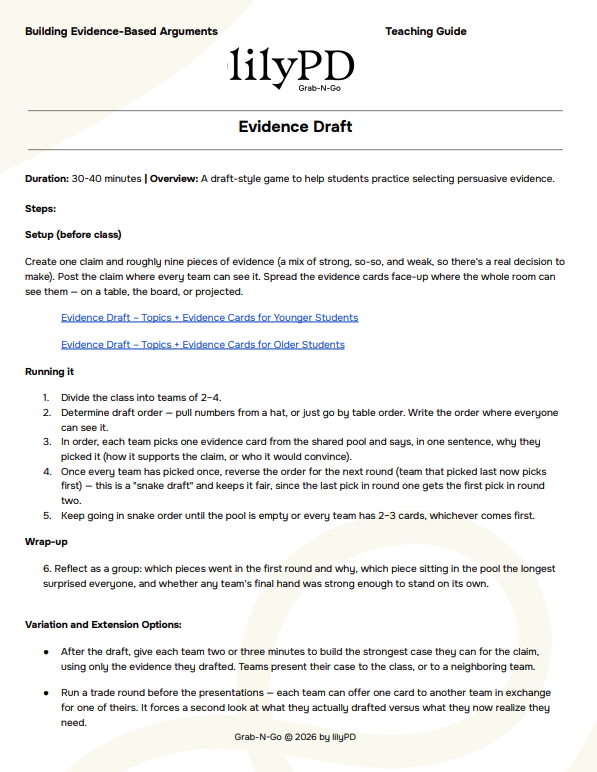
Argument-Building Practice: Evidence Draft
Course:
Building Evidence Based Arguments
Argument-Building Practice: Claim + Evidence + Order
Course:
Building Evidence Based Arguments
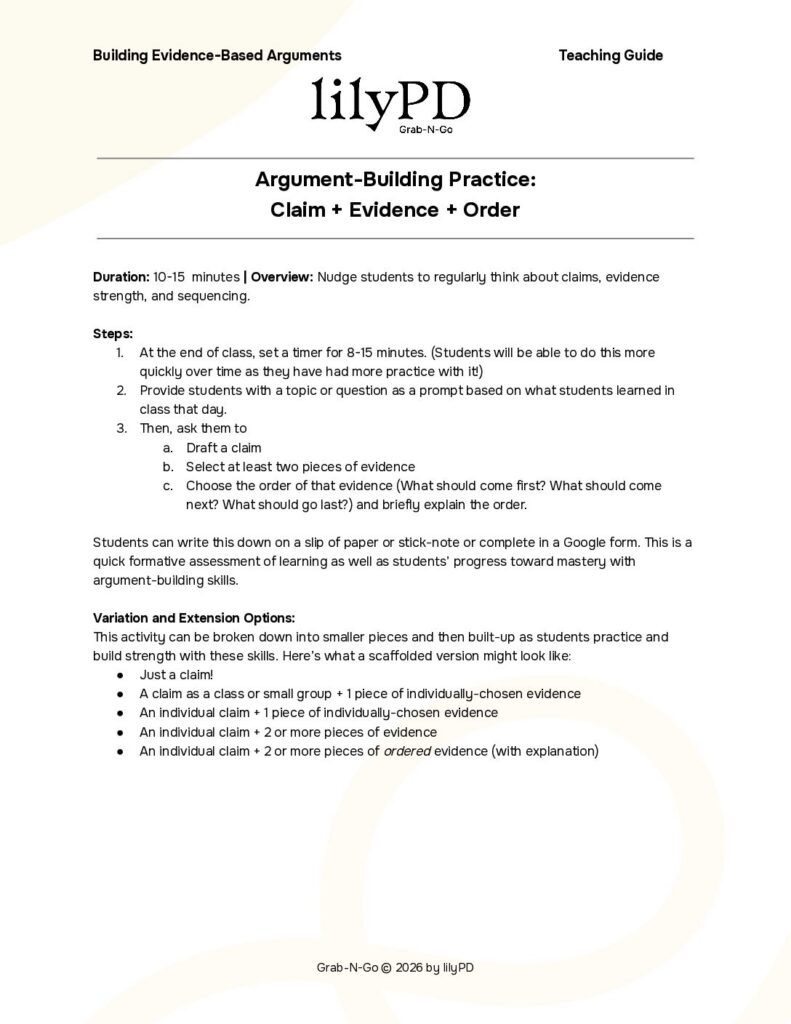
Argument-Building Practice: Flash Argument
Course:
Building Evidence Based Arguments
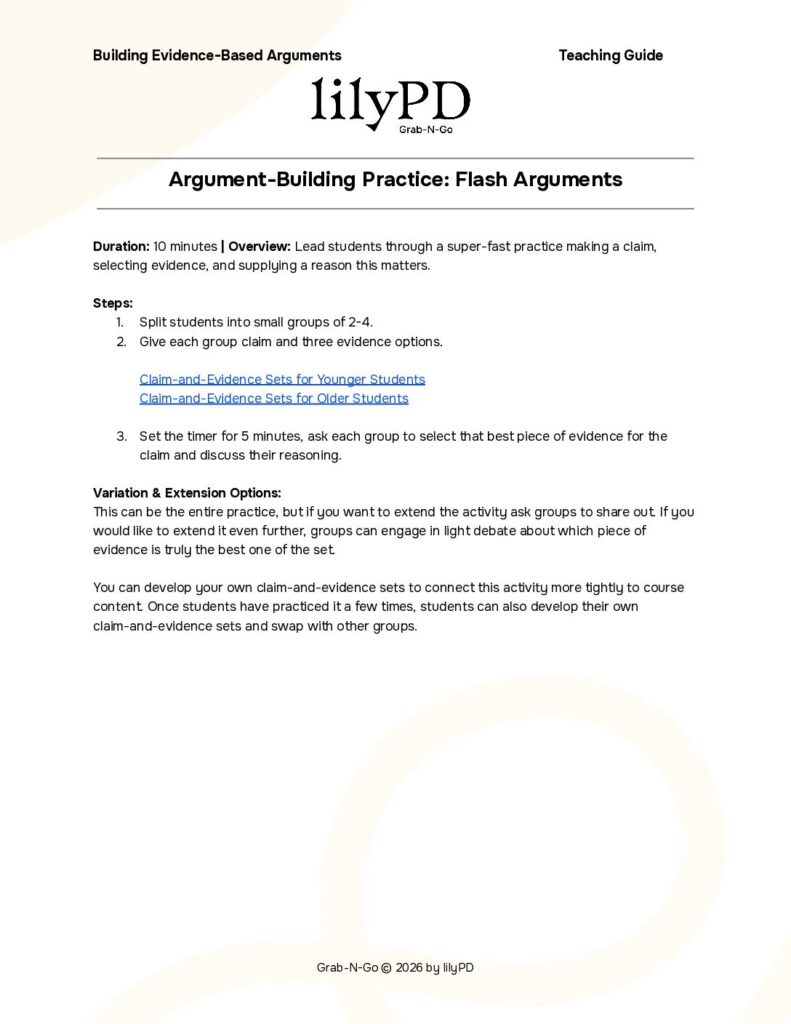
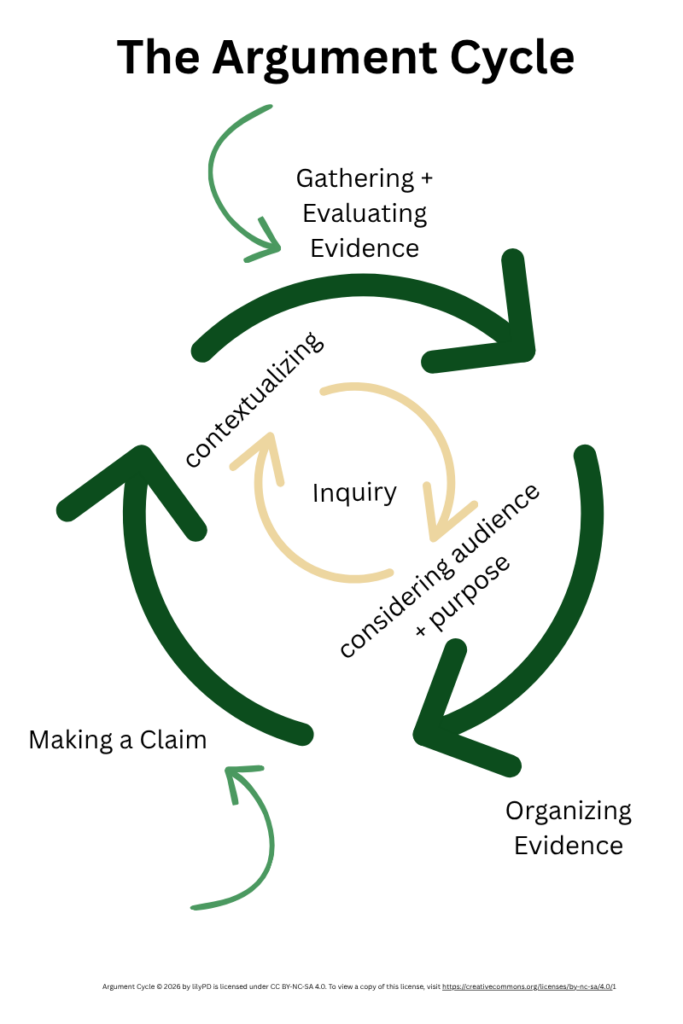
Learning Progression: Organizing Evidence
Course:
Building Evidence Based Arguments
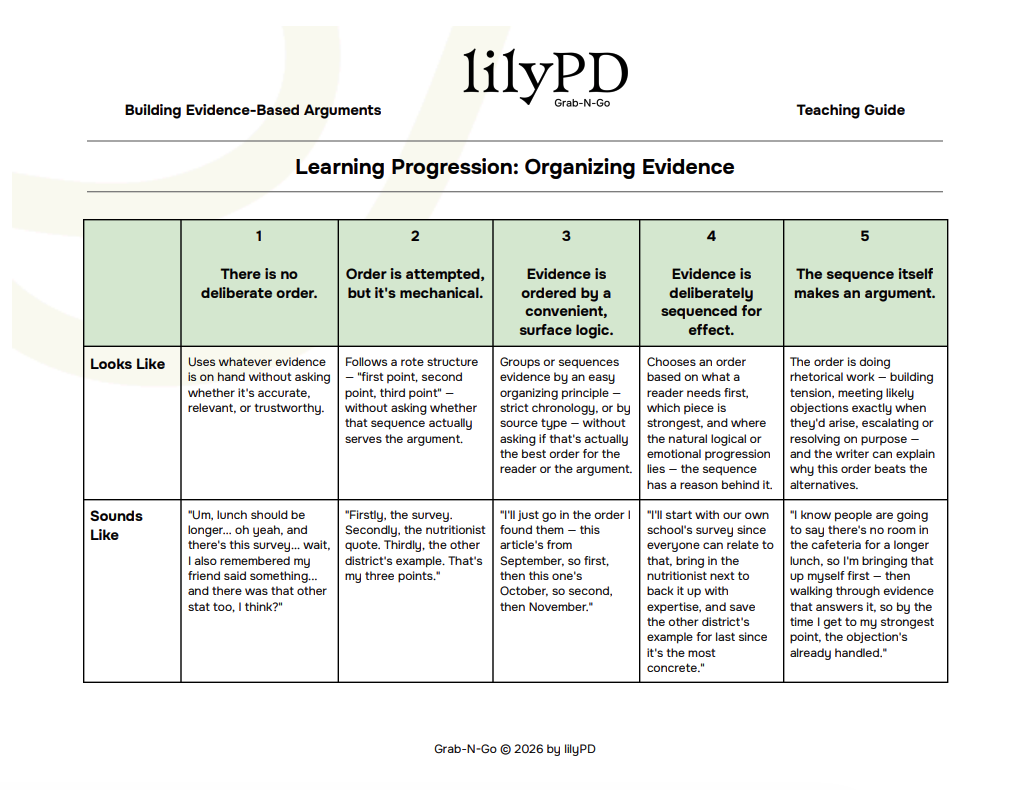
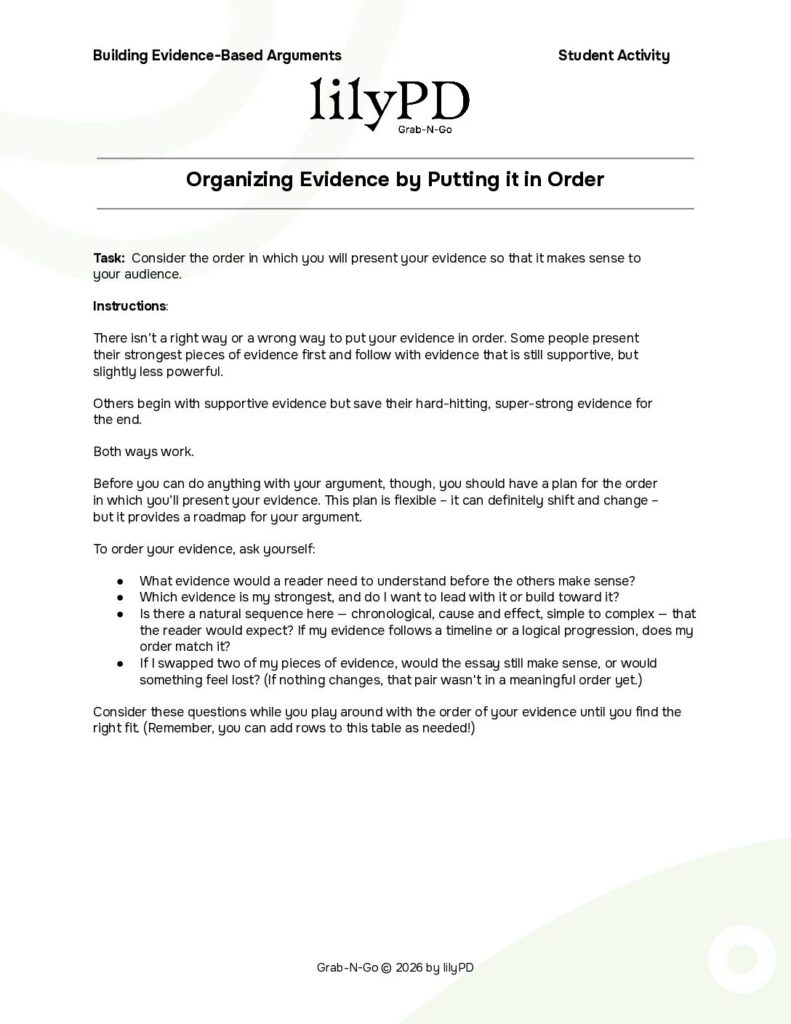
Organizing Evidence by Putting it in Order
Course:
Building Evidence Based Arguments
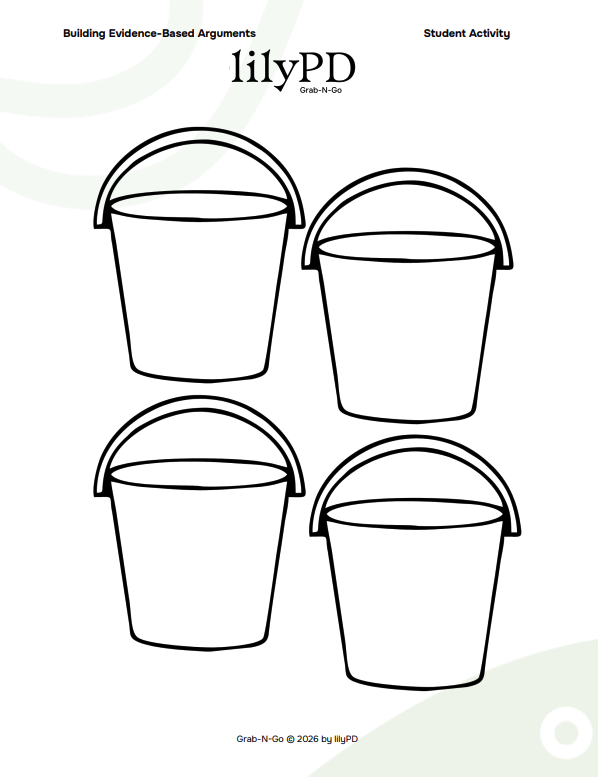
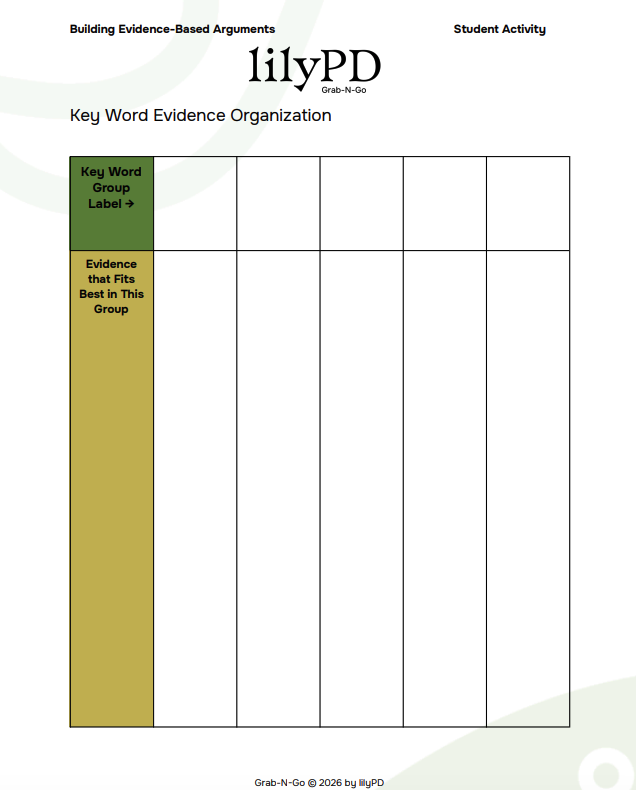
Organizing Evidence with Evidence Buckets
Course:
Building Evidence Based Arguments
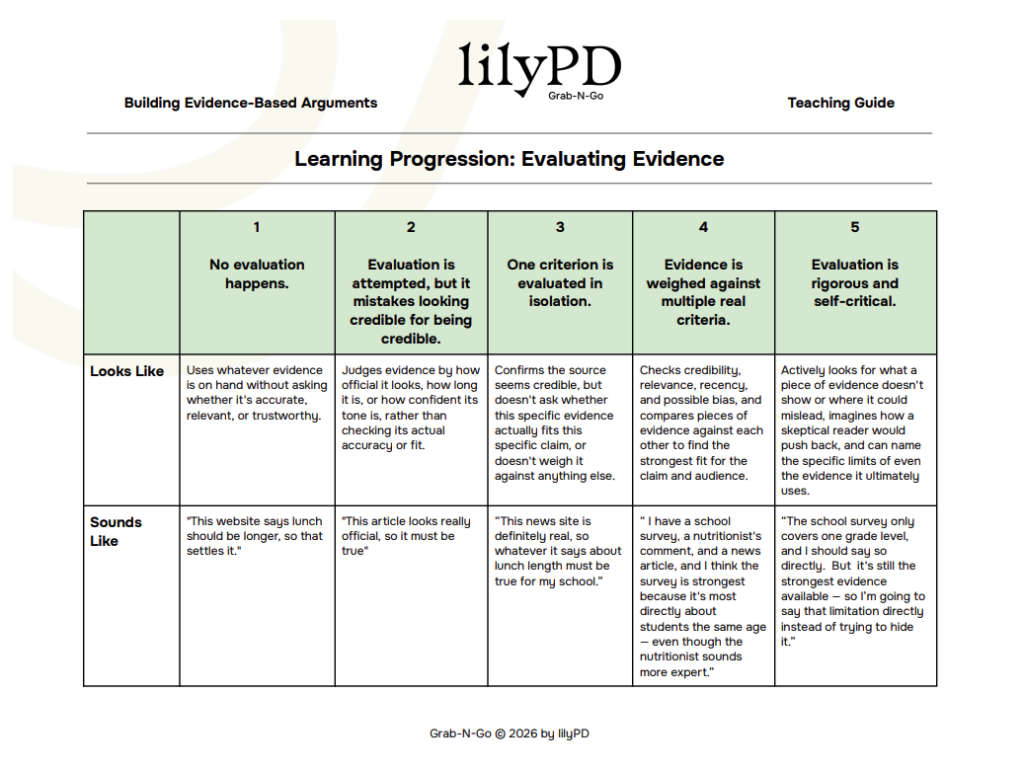
Learning Progression: Evaluating Evidence
Course:
Building Evidence Based Arguments
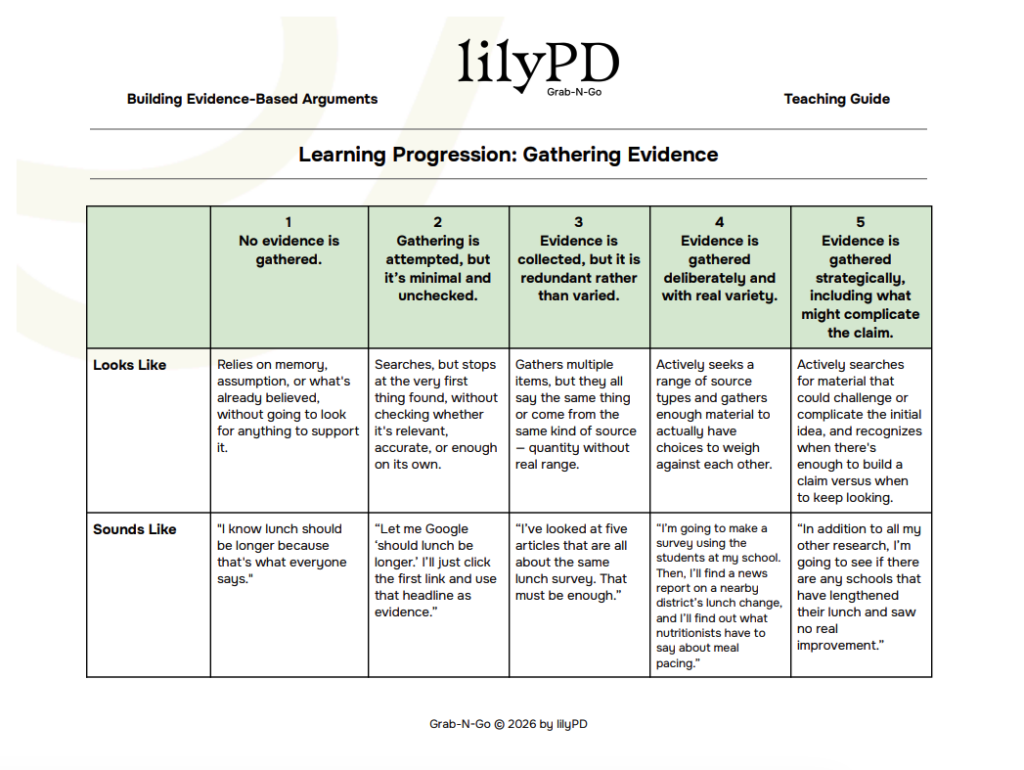
Learning Progression: Gathering Evidence
Course:
Building Evidence Based Arguments
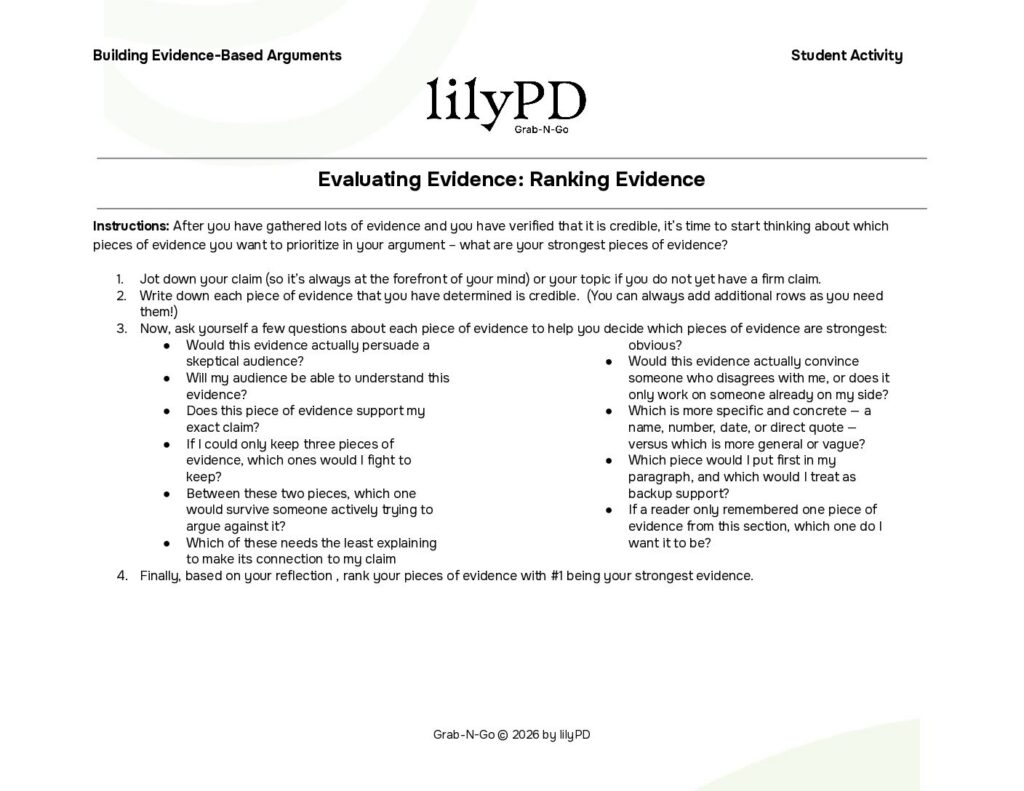
Evaluating Evidence: Ranking Evidence
Course:
Building Evidence Based Arguments
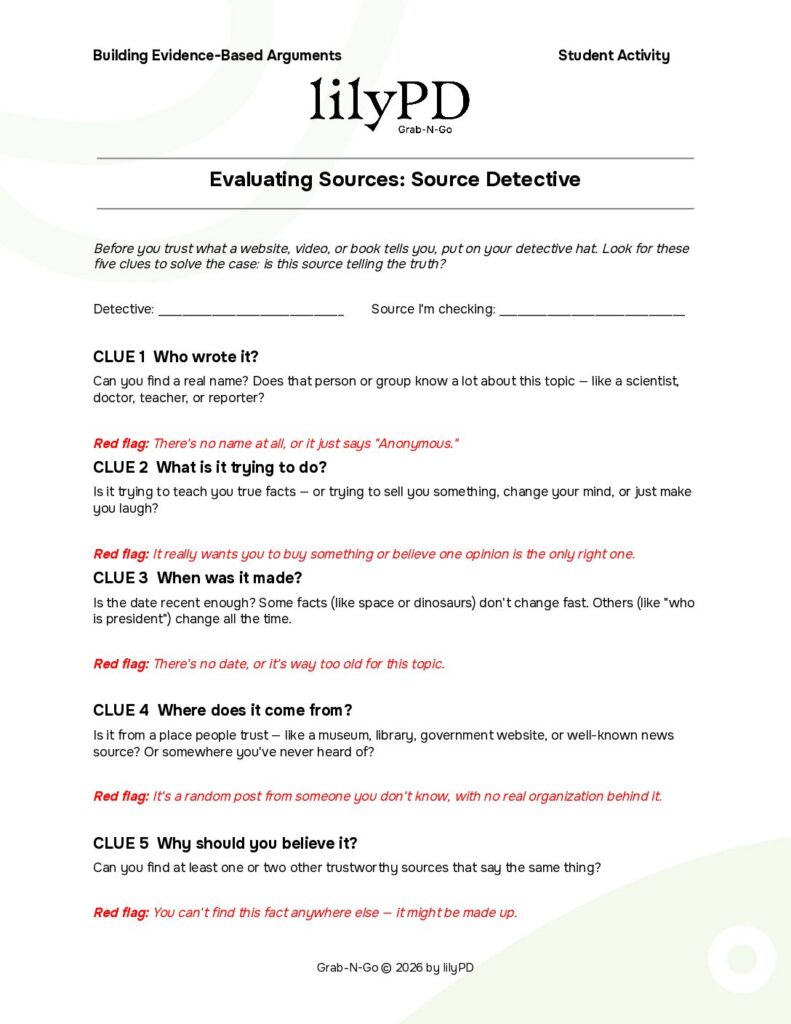
Evaluating Evidence: Source Detective
Course:
Building Evidence Based Arguments
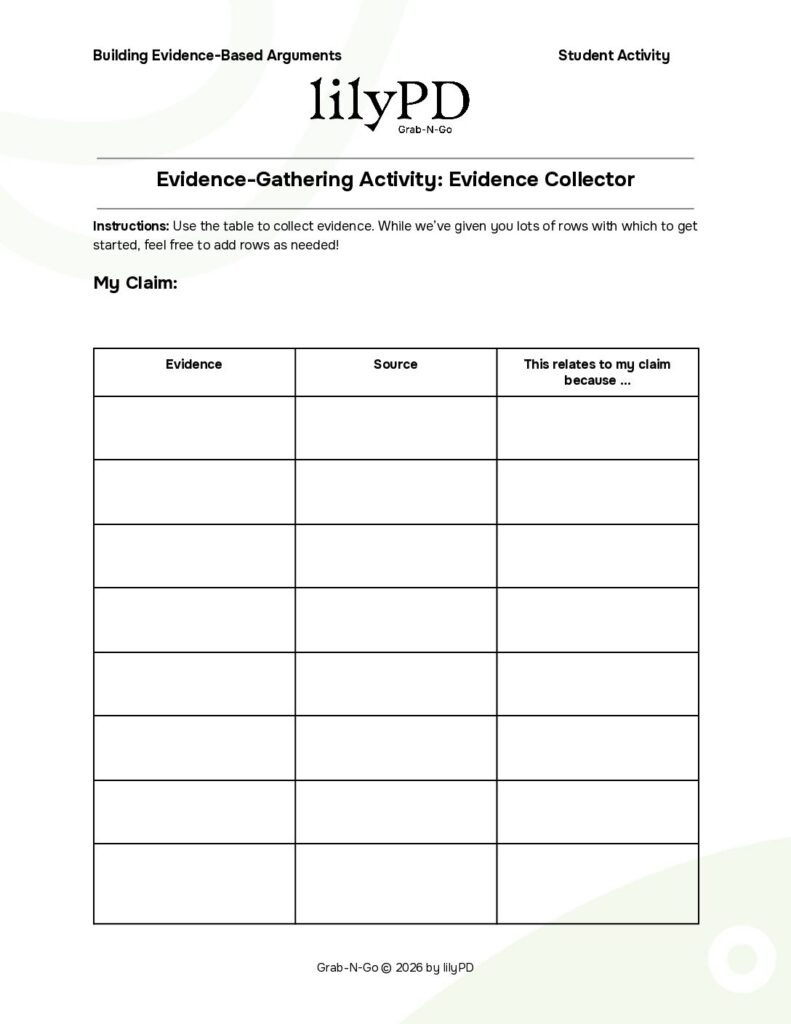
Evidence-Gathering Activity: Evidence Collector
Course:
Building Evidence Based Arguments
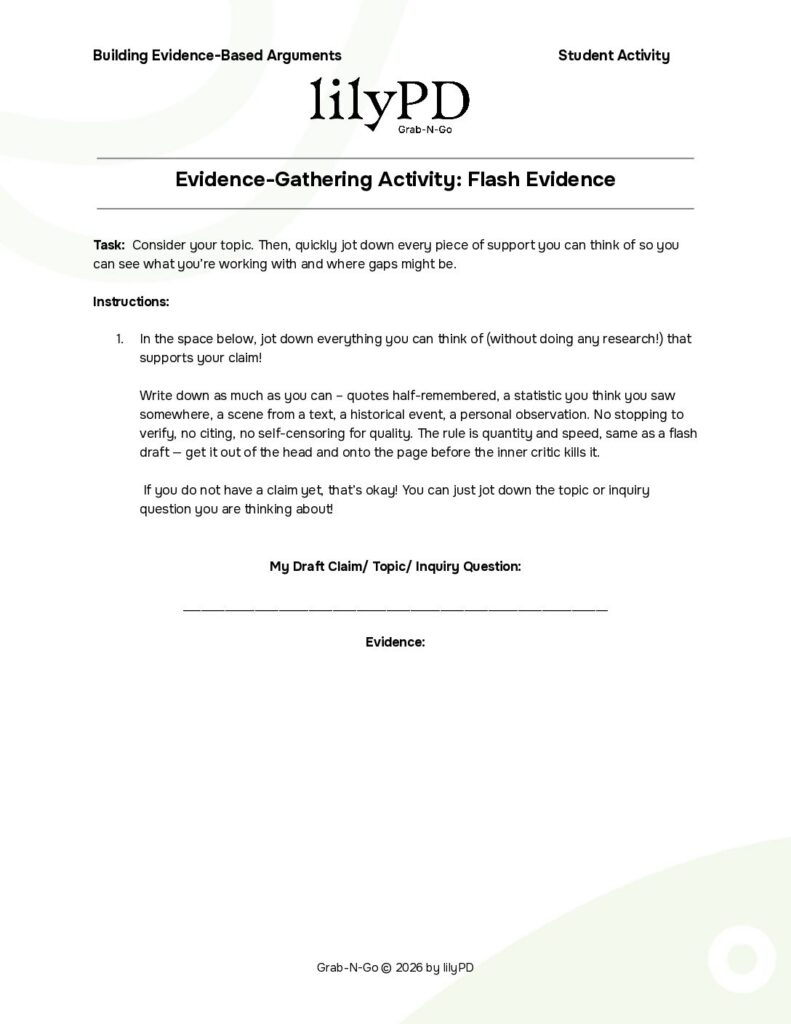
Evidence-Gathering Activity: Flash Evidence
Course:
Building Evidence Based Arguments
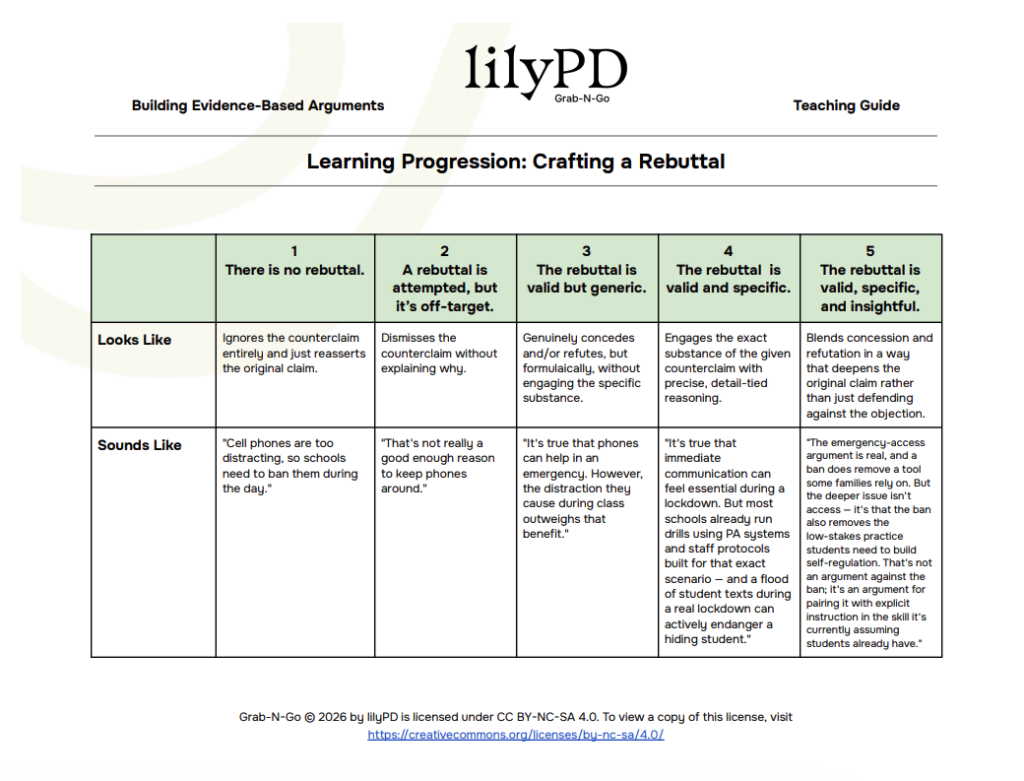
Learning Progression: Crafting a Rebuttal
Course:
Building Evidence Based Arguments
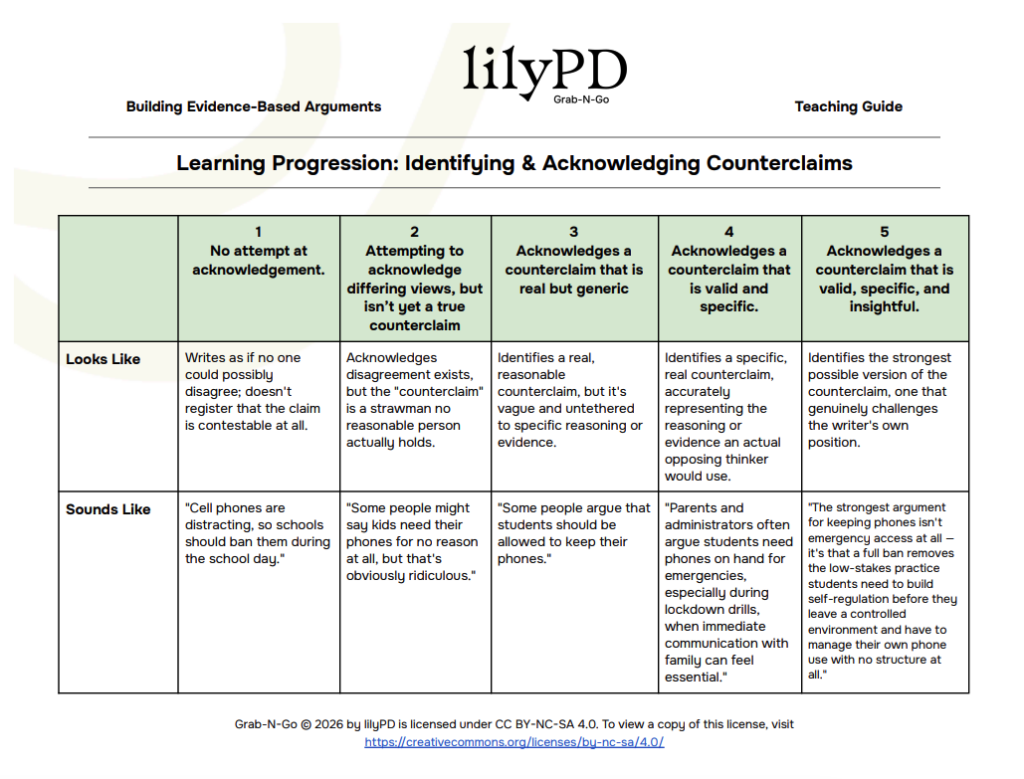
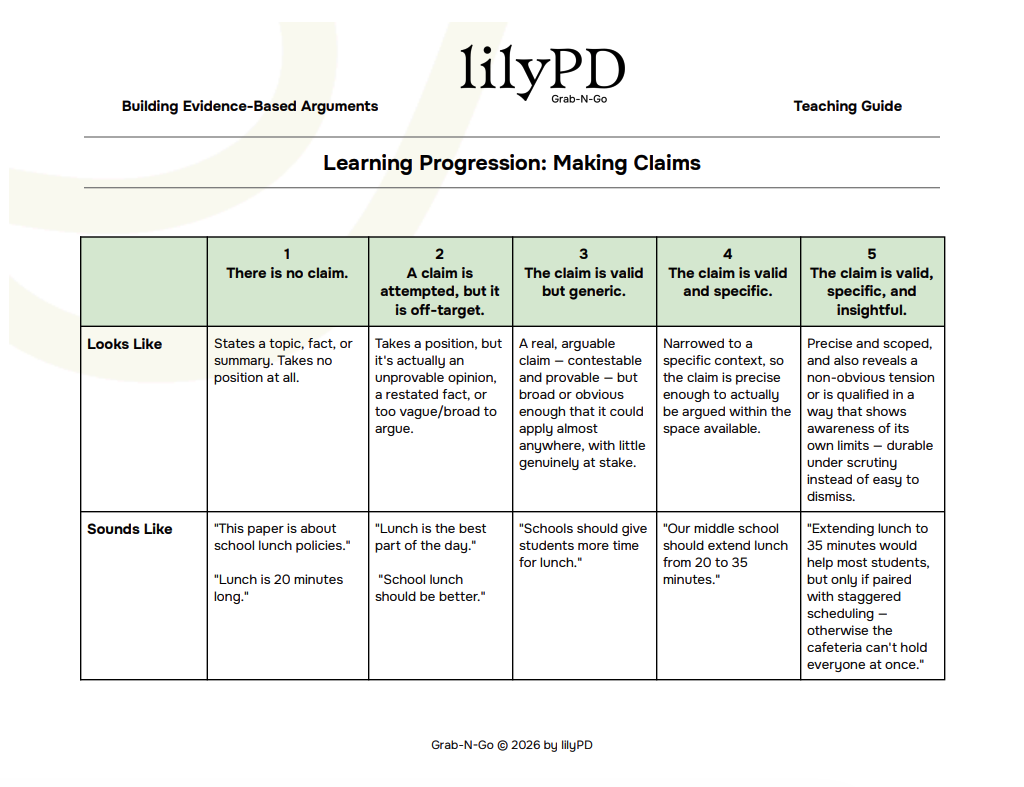
Learning Progression: Identifying & Acknowledging Counterclaims
Course:
Building Evidence Based Arguments
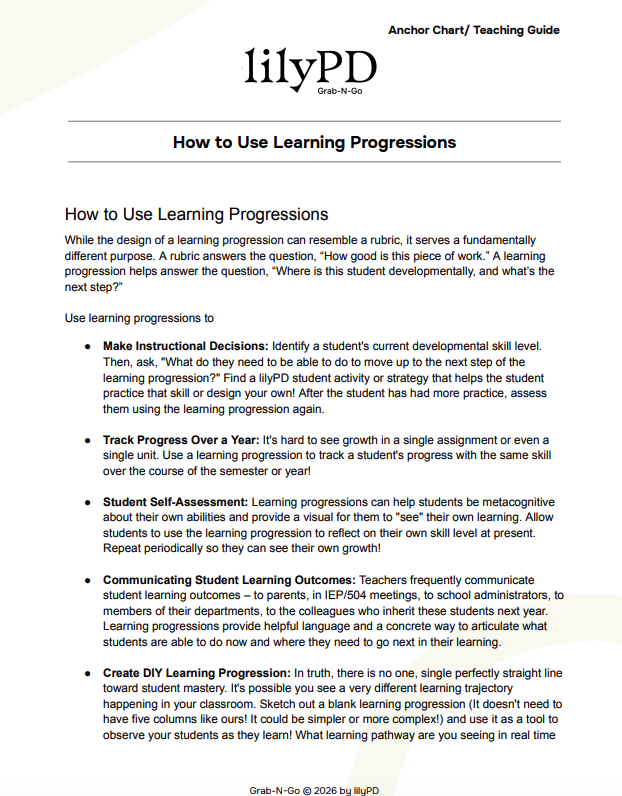
Sentence Stems for Conceding and Refuting (Older Students)
Course:
Building Evidence Based Arguments
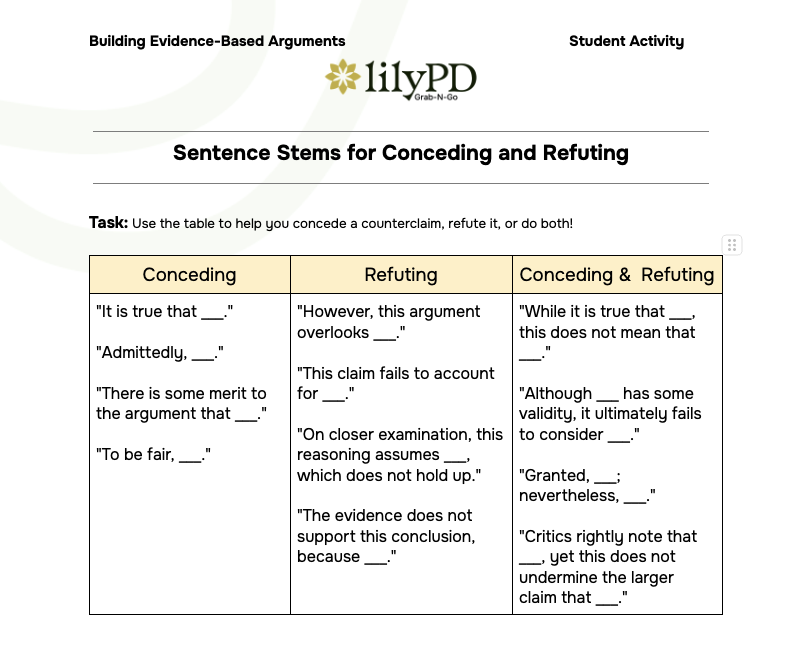
Sentence Stems for Conceding and Refuting (Younger Students)
Course:
Building Evidence Based Arguments
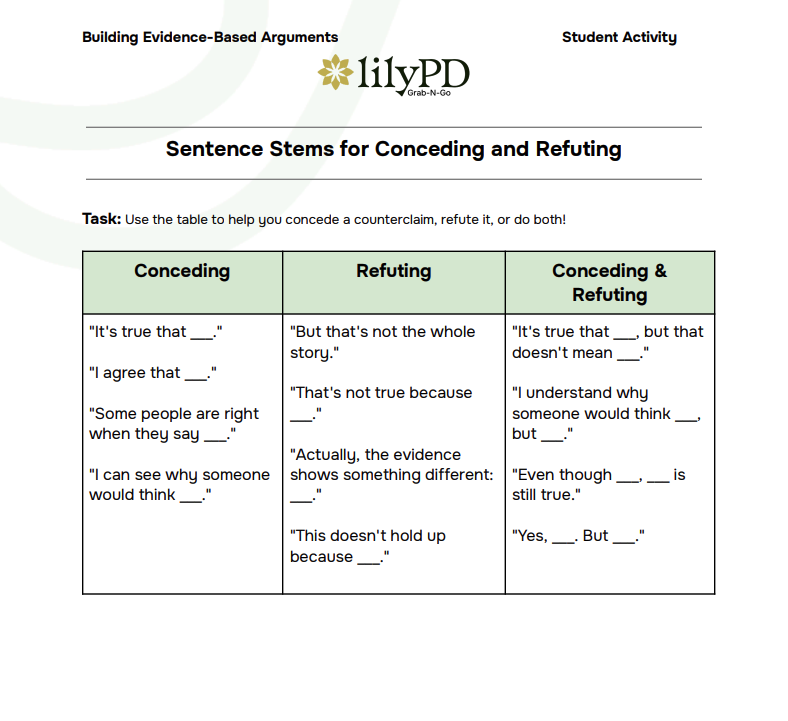
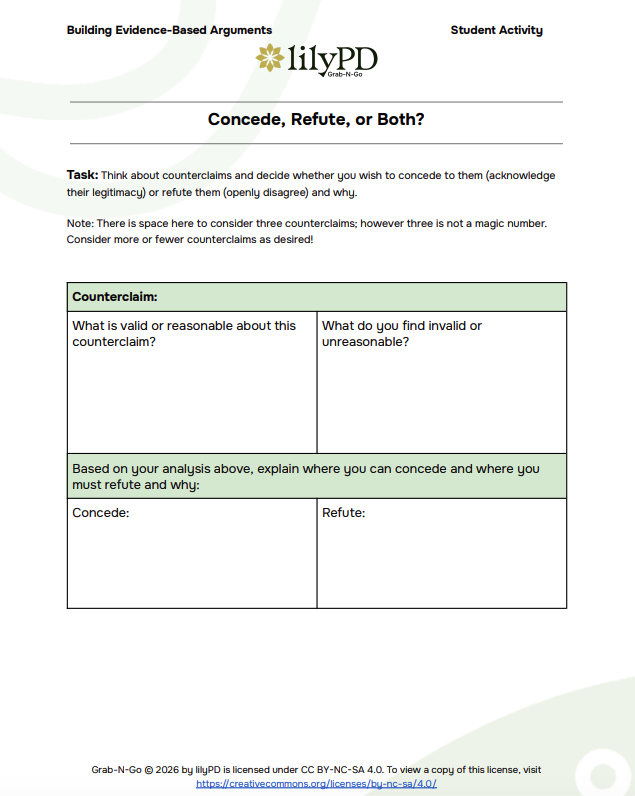
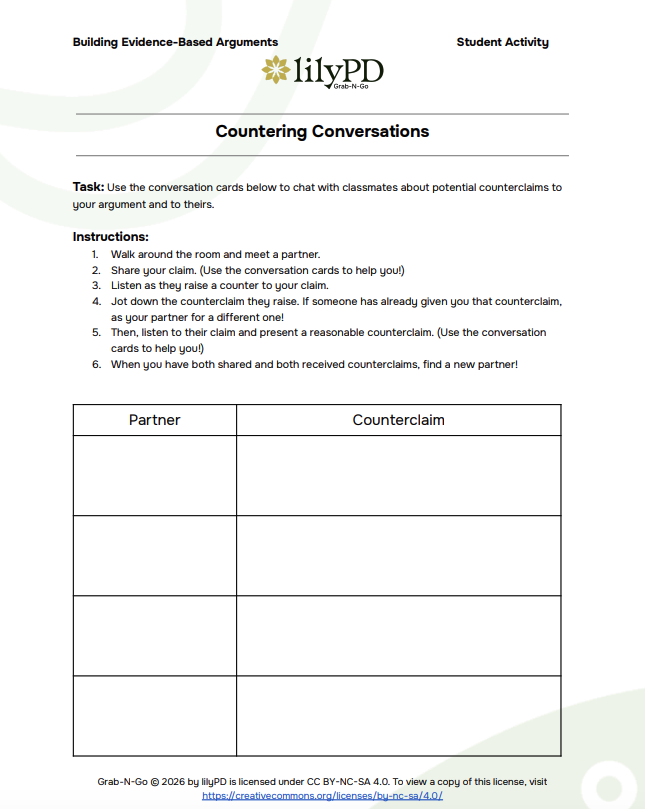
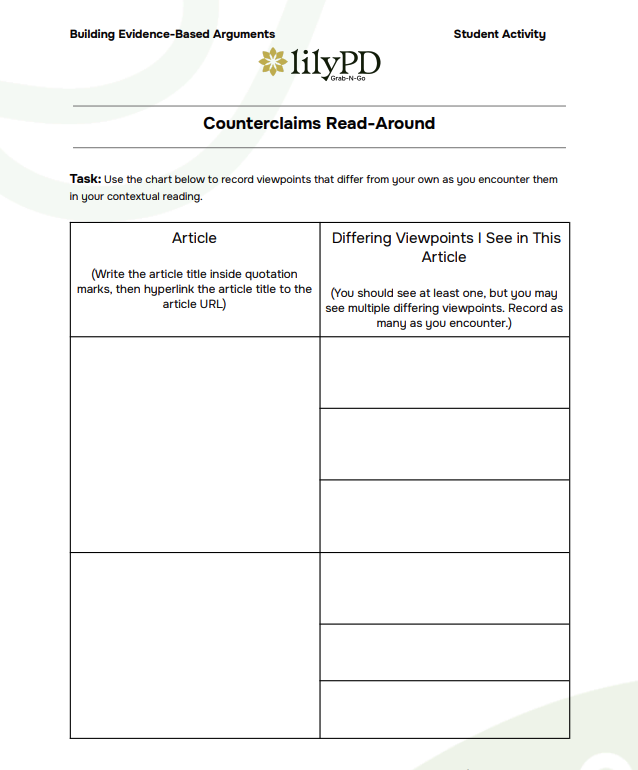
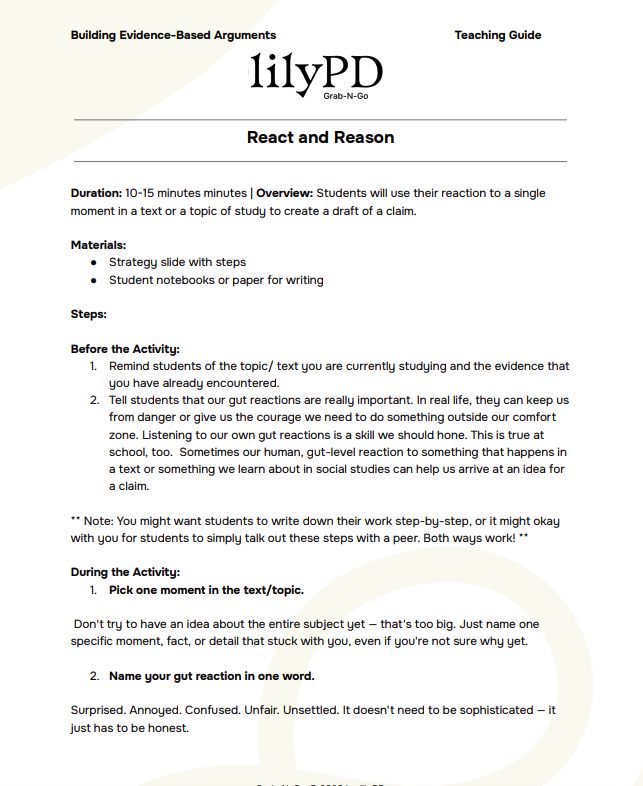
Pattern, Puzzle, Position Teaching Guide
Course:
Building Evidence Based Arguments
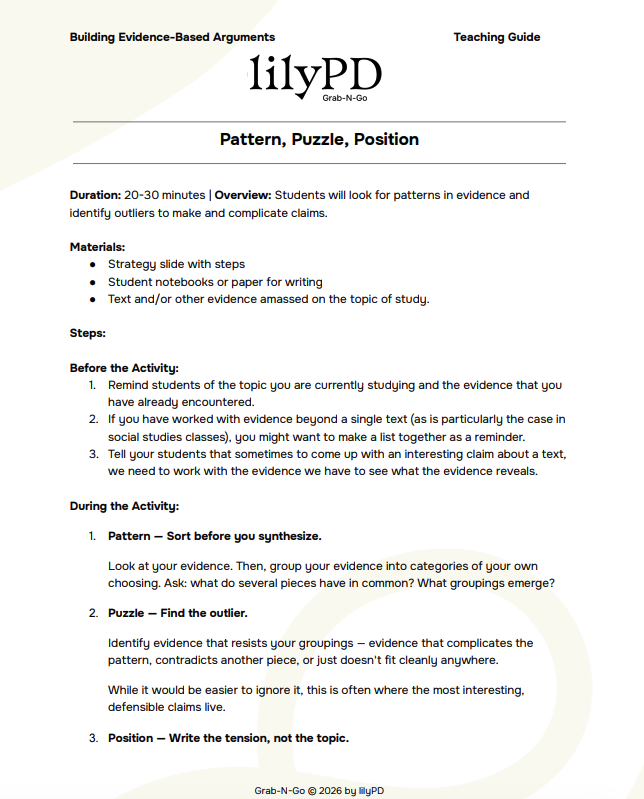
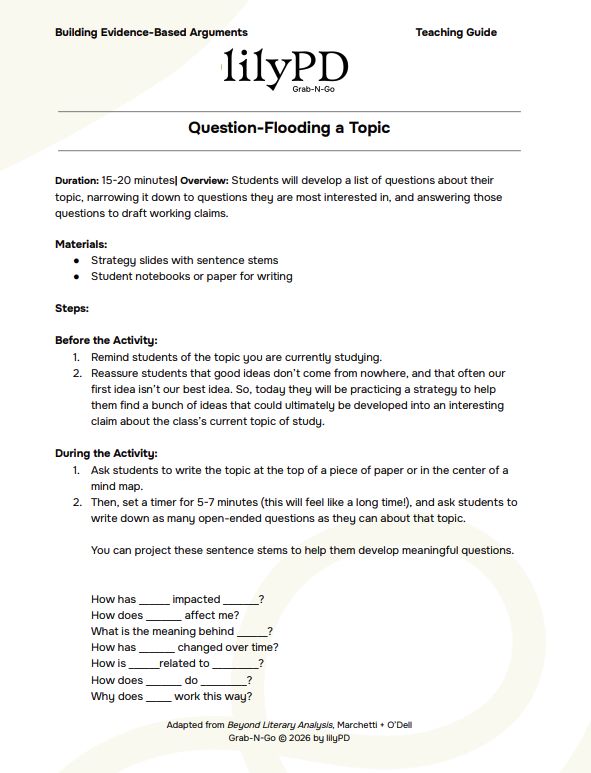
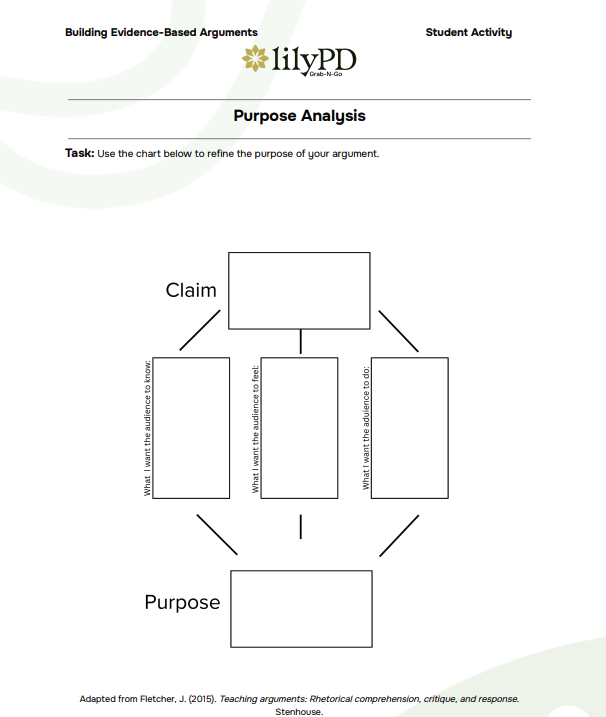
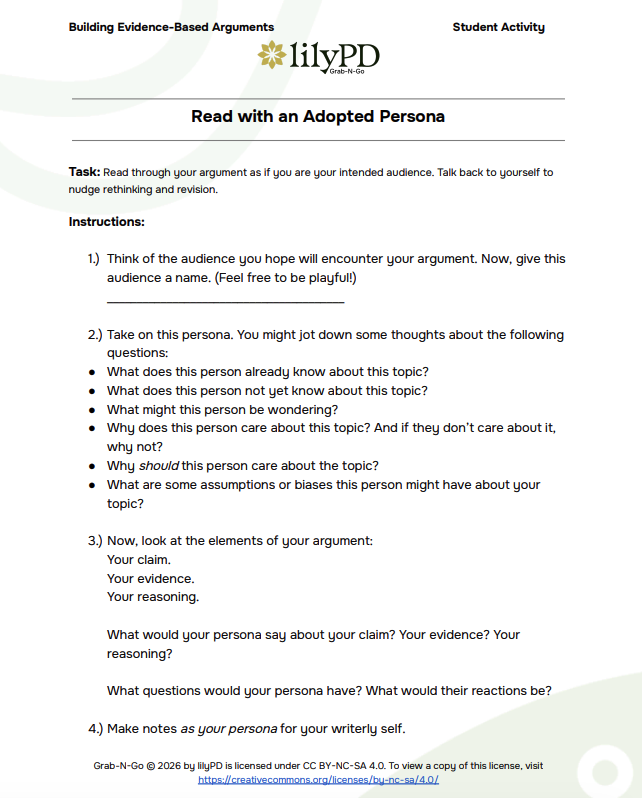
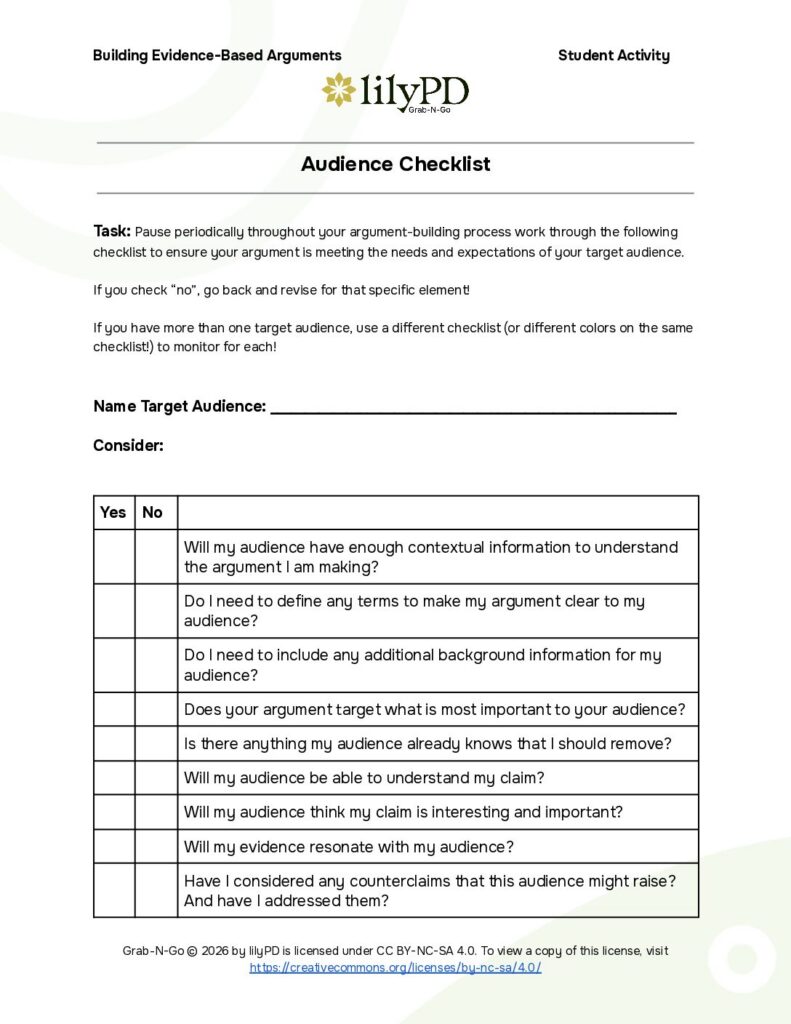
Considering Audience: Audience Checklist
Course:
Building Evidence Based Arguments
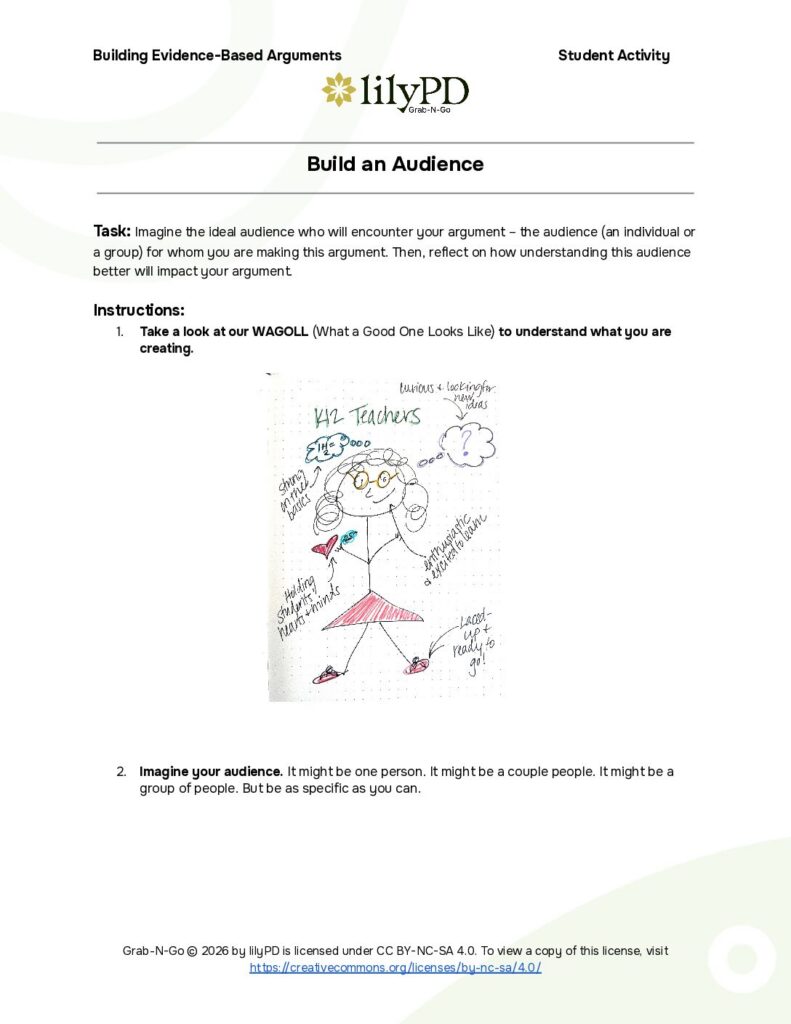
Considering Audience: Build an Audience
Course:
Building Evidence Based Arguments
Contextualization Activity: Reading Around a Topic
Course:
Building Evidence Based Arguments
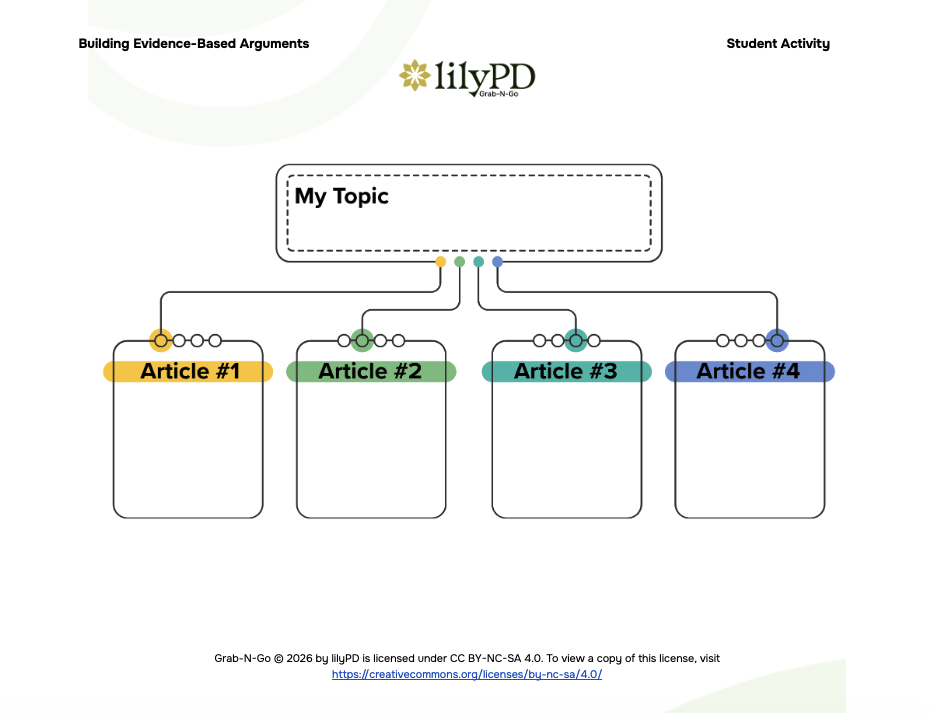
Contextualization Activity: SOAPs Analysis
Course:
Building Evidence Based Arguments
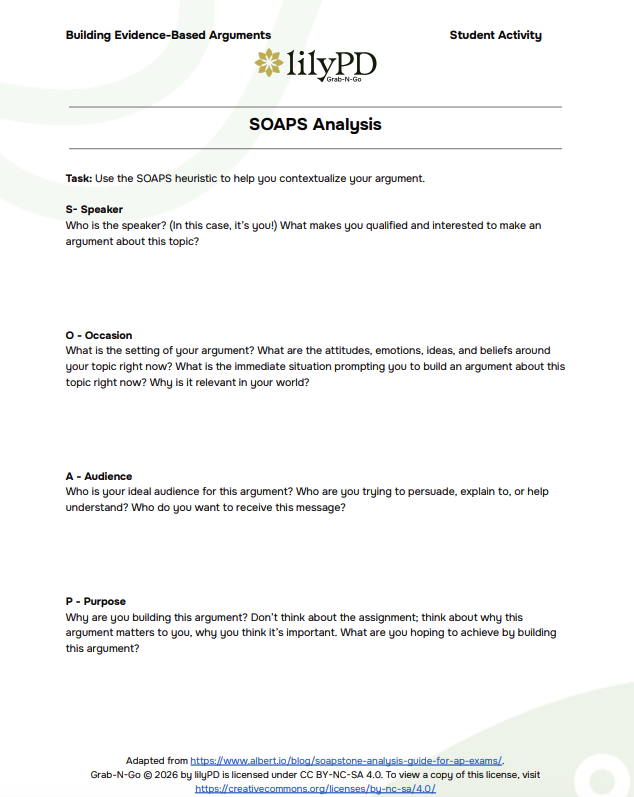
Contextualization Activity: Inside / Outside Research
Course:
Building Evidence Based Arguments
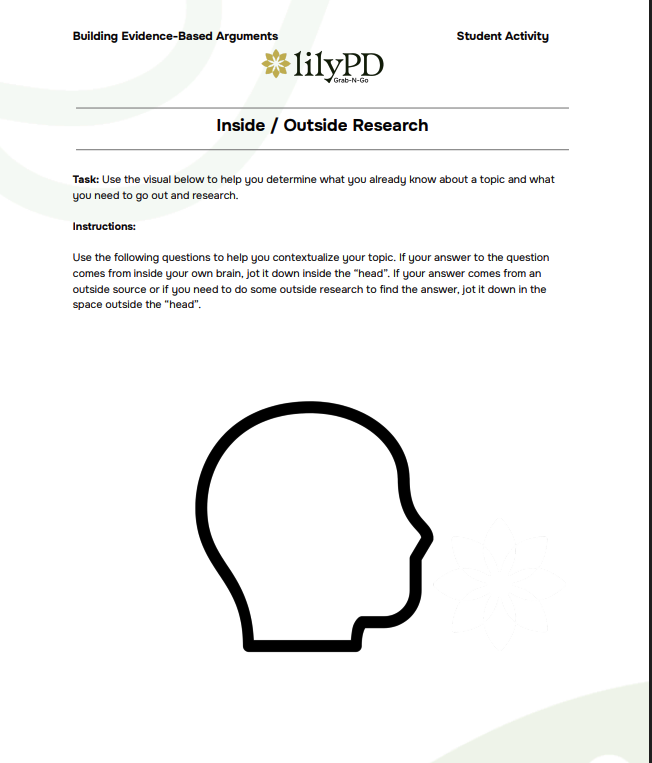
Contextualization Activity: ABCs of Prior Knowledge
Course:
Building Evidence Based Arguments
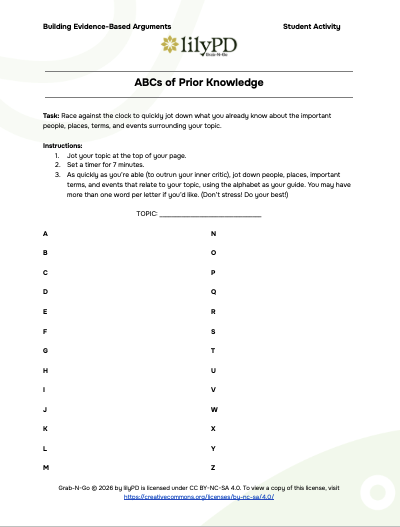
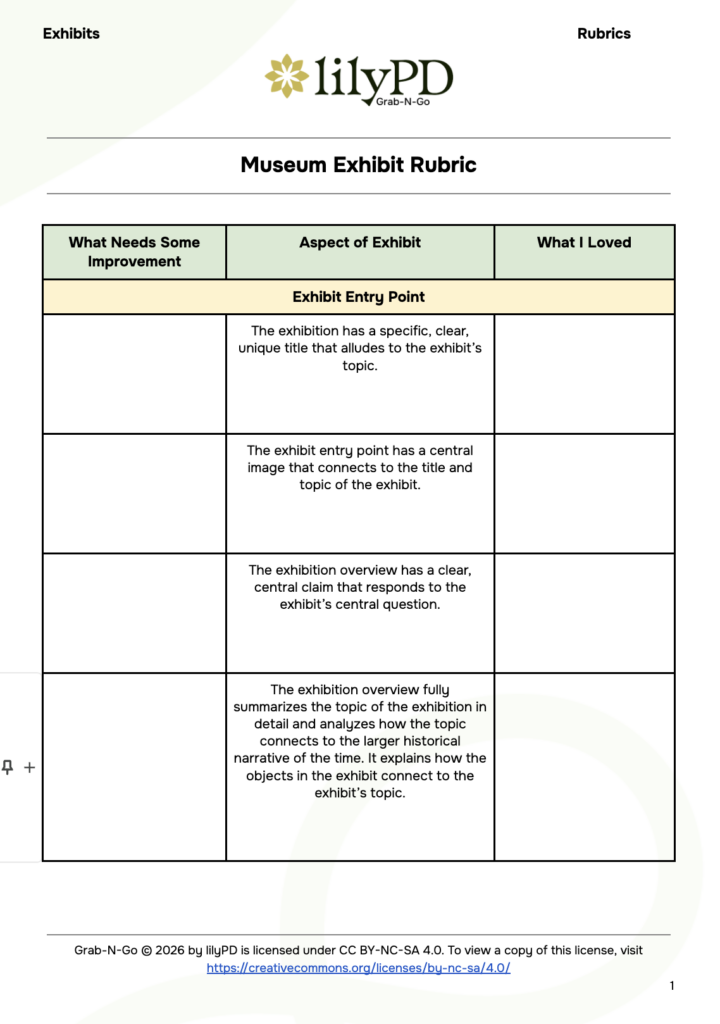
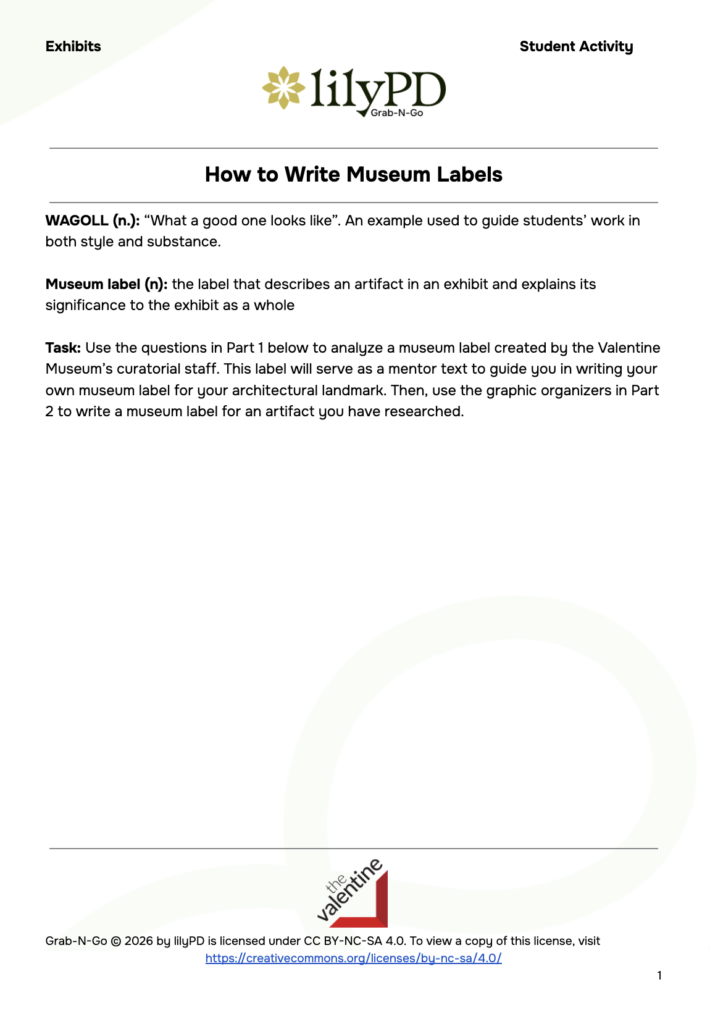
Exhibit Projects: Writing an Entry Point
Course:
Exhibits in the Classroom
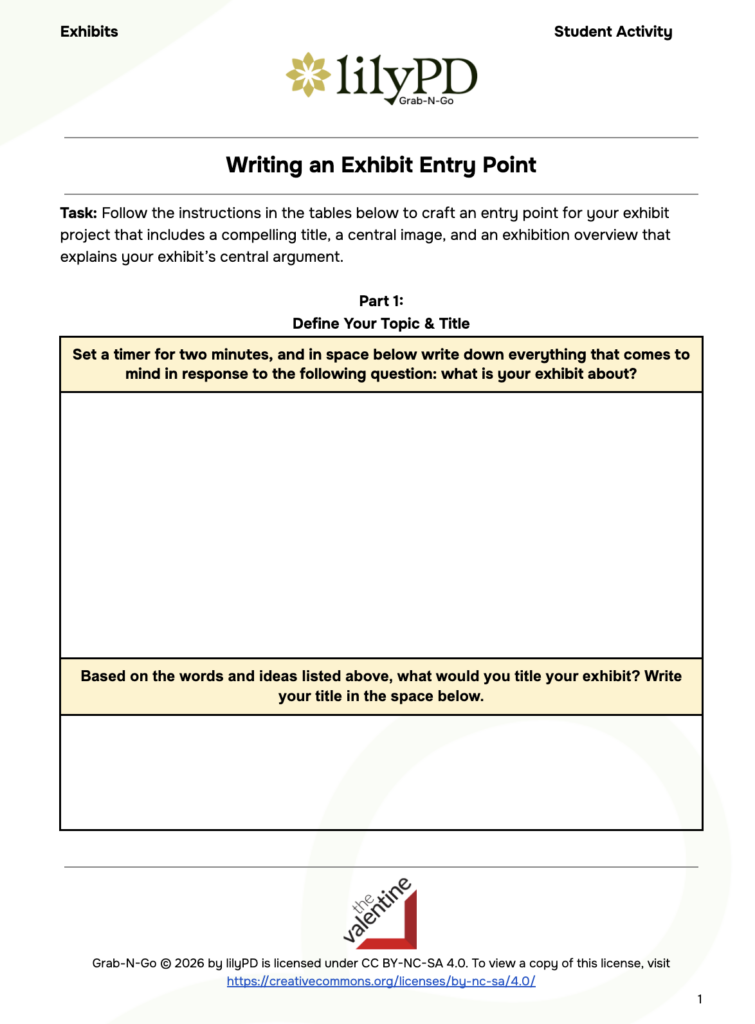
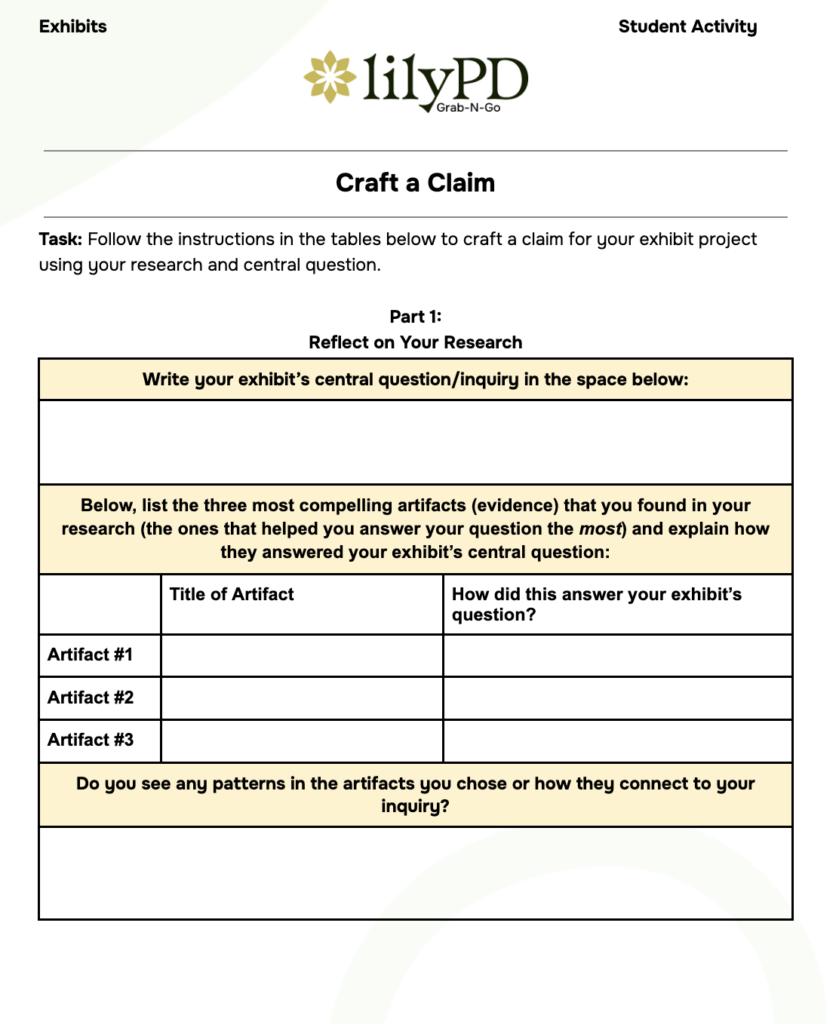
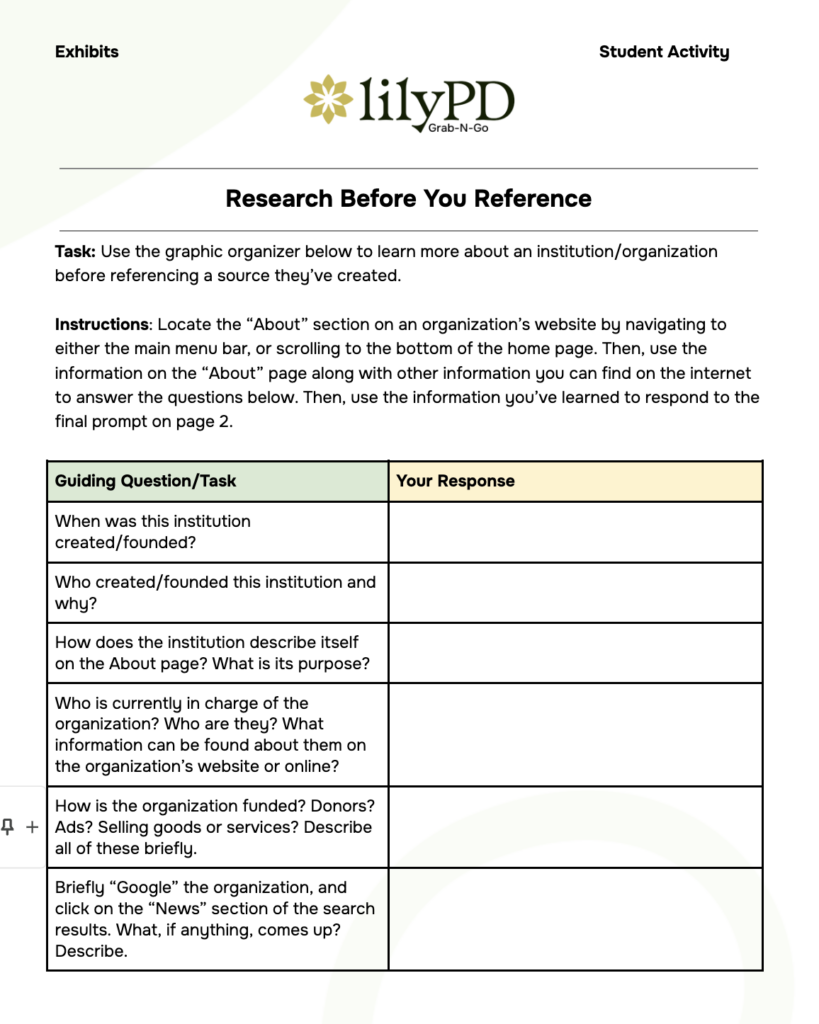
Media Literacy Strategy: Research before You Reference
Course:
Exhibits in the Classroom
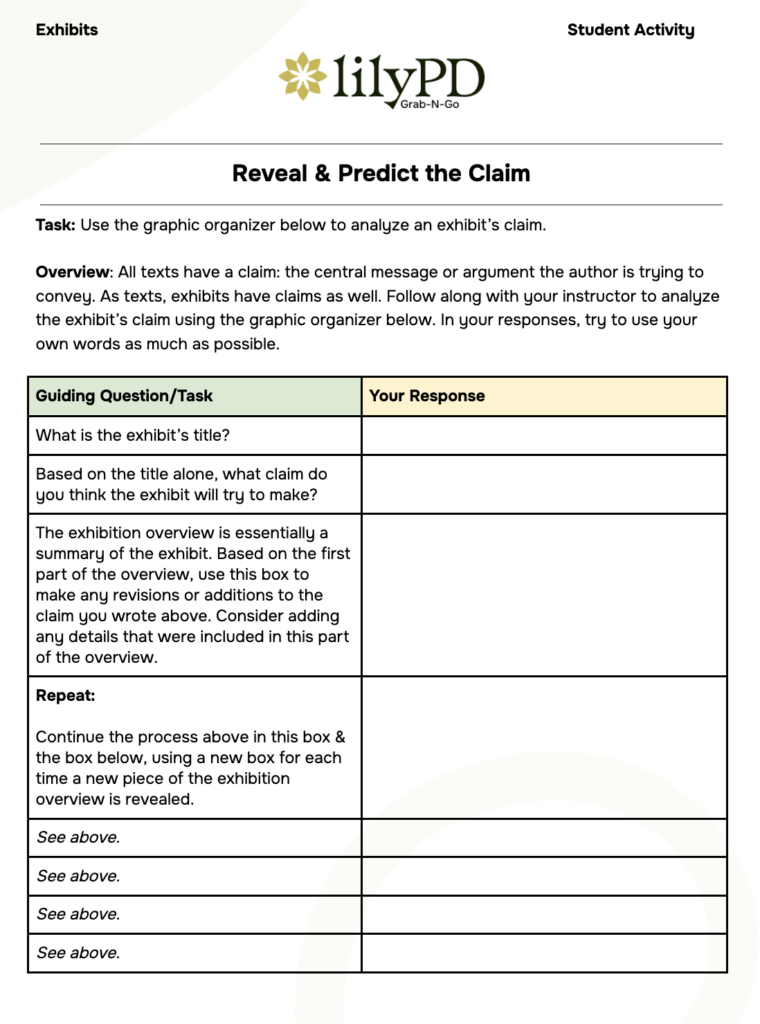
Literacy Strategy: Reveal & Predict the Claim
Course:
Exhibits in the Classroom
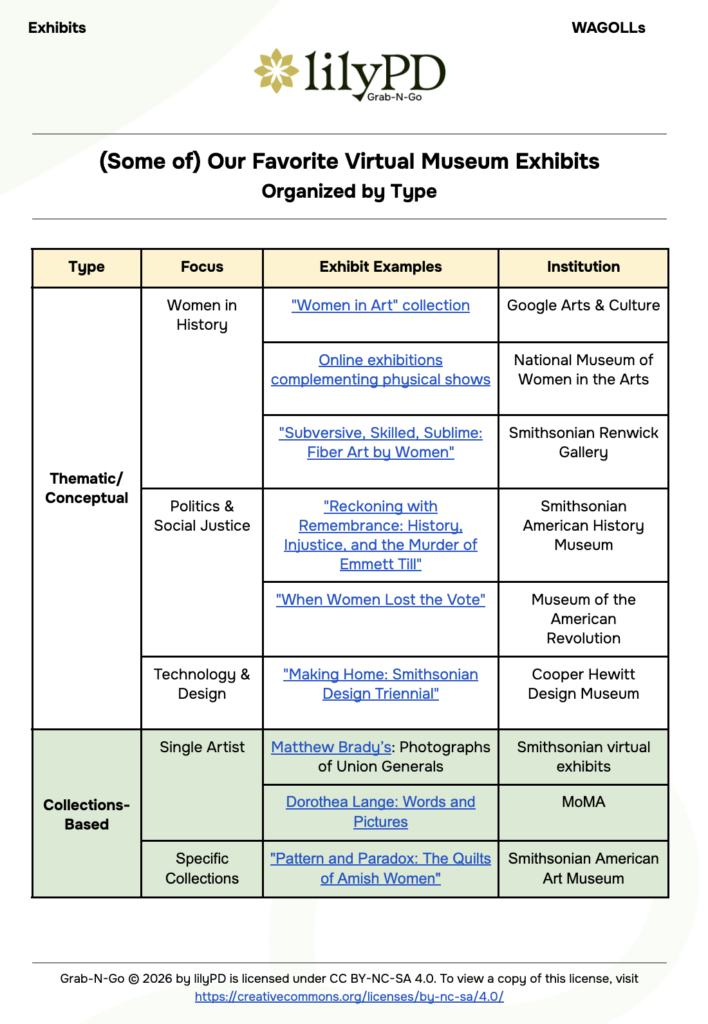
(Some of) Our Favorite Virtual Museum Exhibits
Course:
Exhibits in the Classroom
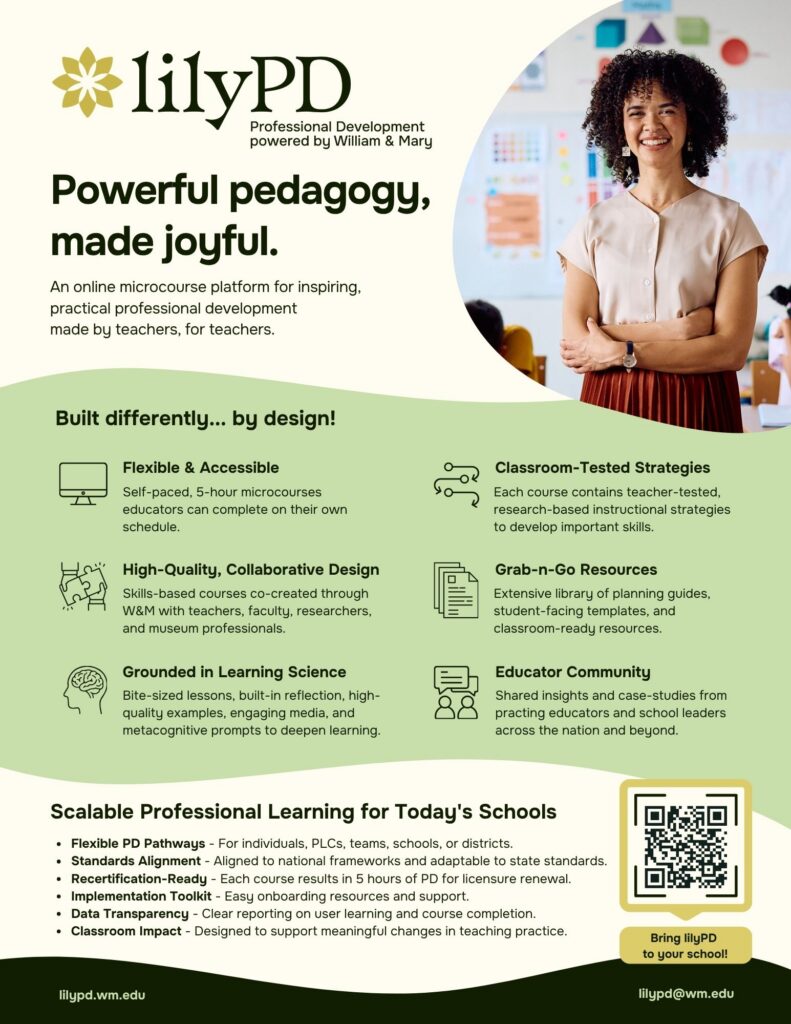
lilyPD Information Sheet
Course:
We the Teachers: Congress of Educators 2026
Post-Congress of Educators: What Comes Next?
Course:
We the Teachers: Congress of Educators 2026
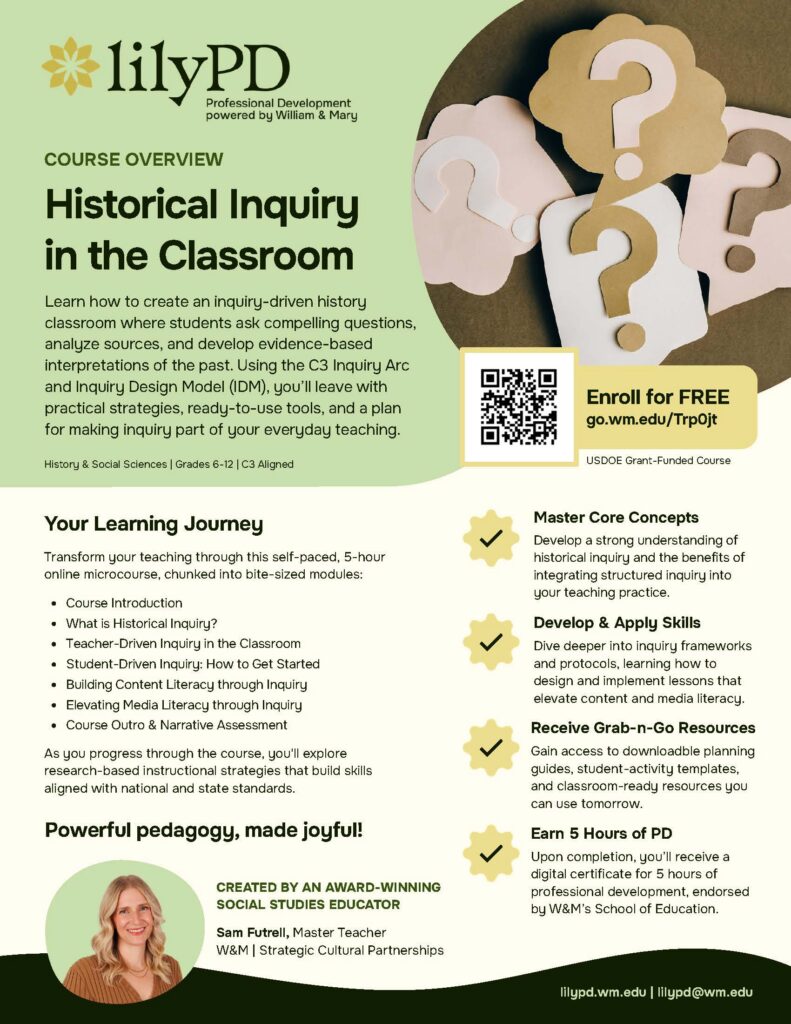
Historical Inquiry in the Classroom Course Overview
Course:
Historical Inquiry in the Classroom
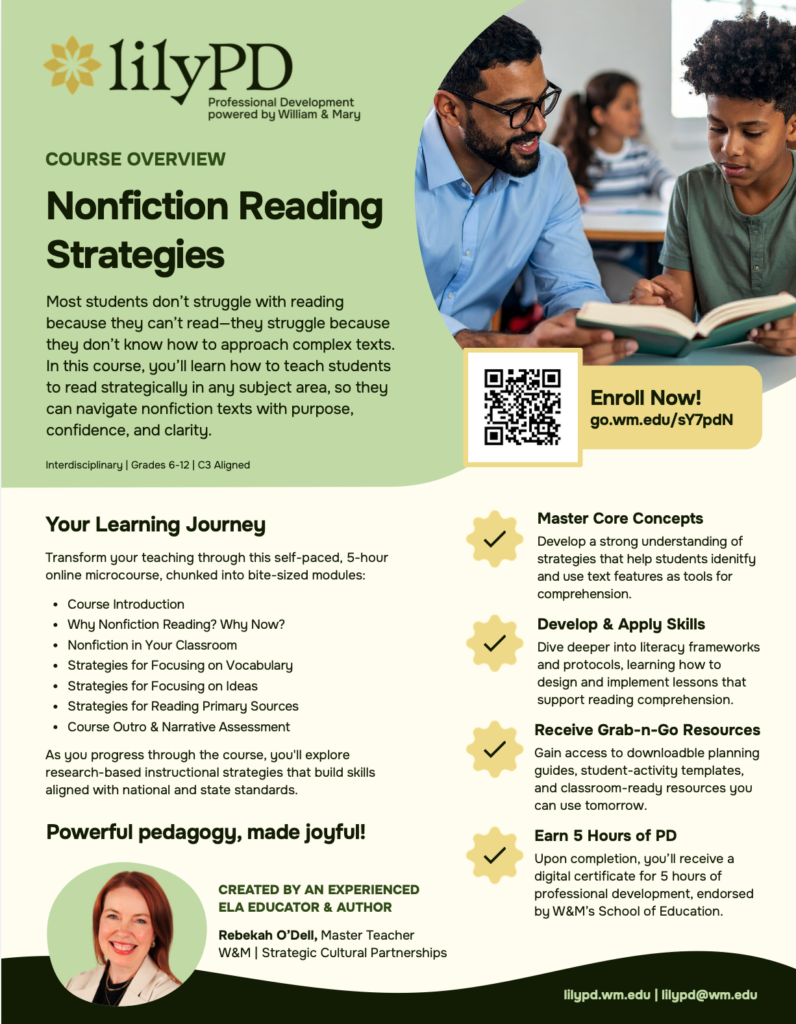
Nonfiction Reading Strategies Course Overview
Course:
Nonfiction Reading Strategies
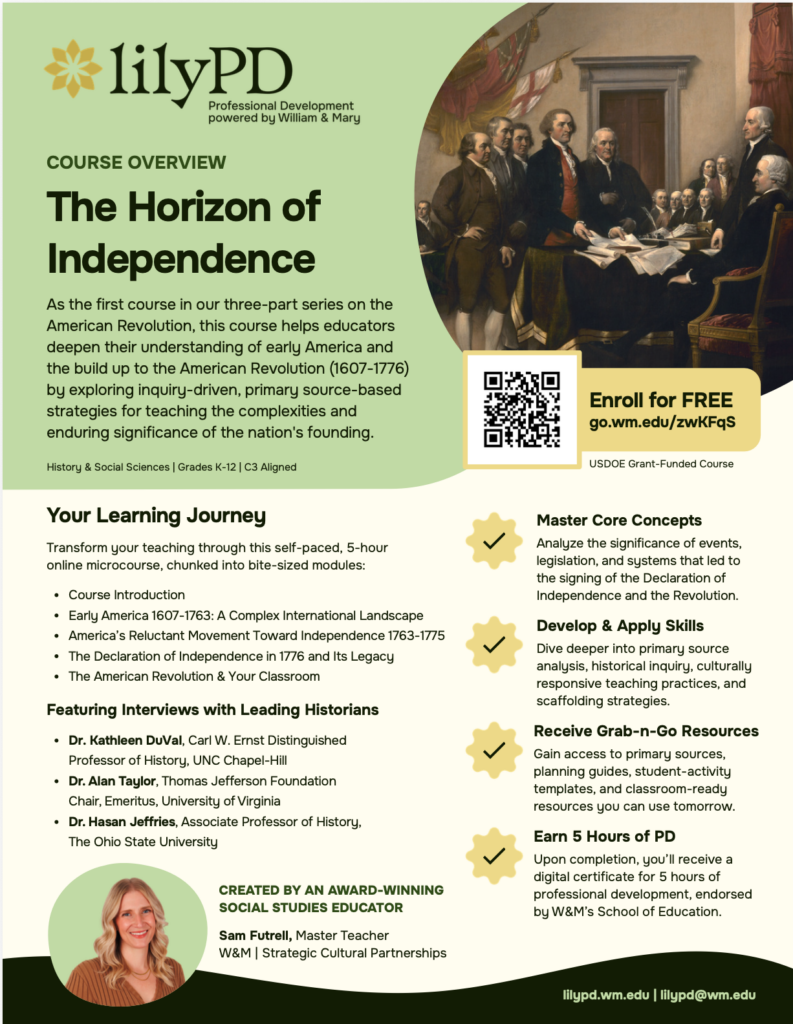
The Horizon of Independence Course Overview
Course:
The Horizon of Independence
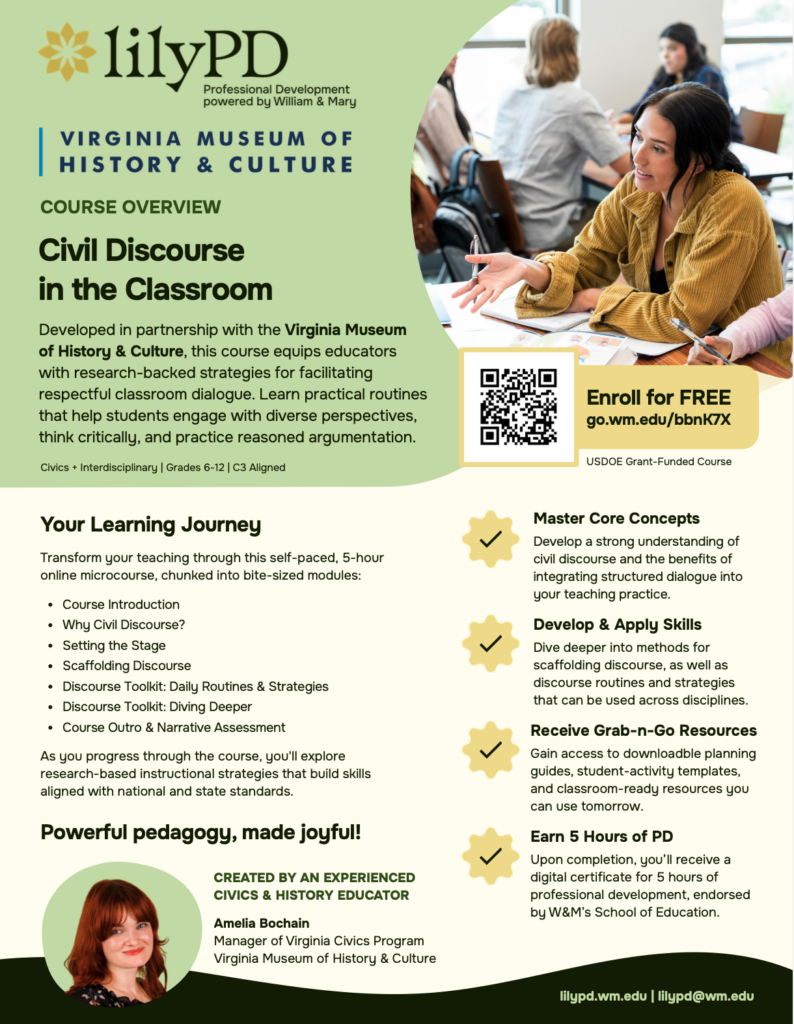
Civil Discourse in the Classroom Course Overview
Course:
Civil Discourse in the Classroom
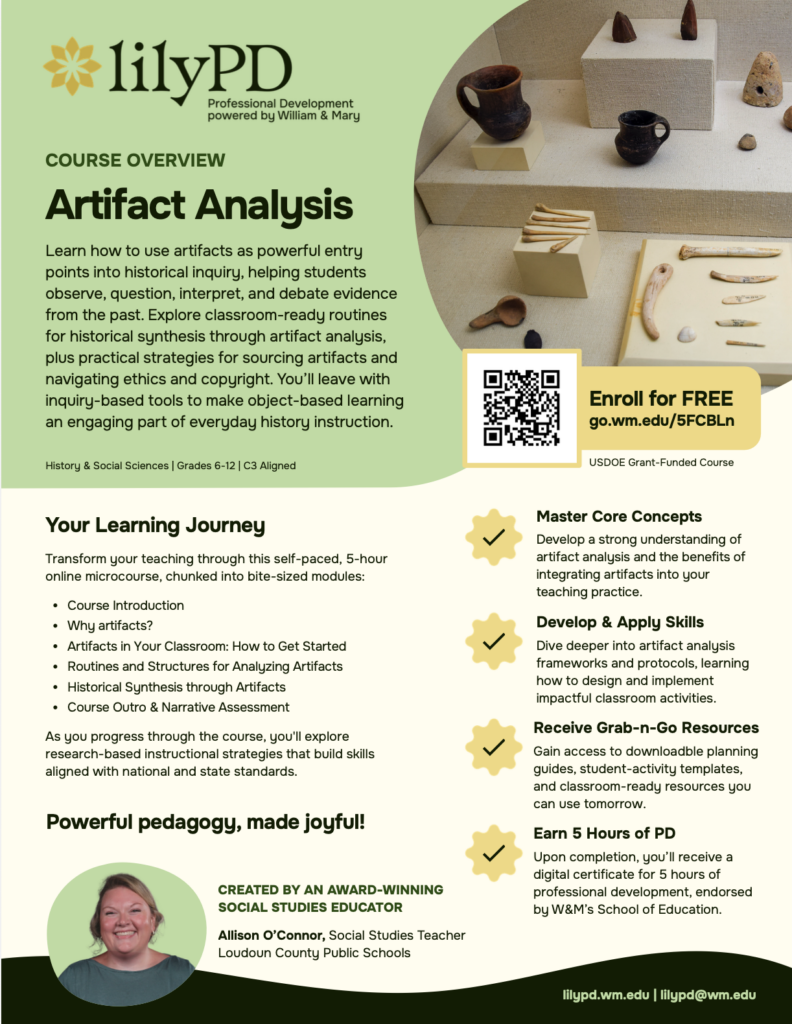
Source Snapshot Organizer: See It, Name It, Prove It
Course:
Artifact Analysis
We the Teachers: Recruitment Toolkit
Course:
We the Teachers: Congress of Educators 2026
We the Teacher: Facilitation Tips
Course:
We the Teachers: Congress of Educators 2026
We the Teachers: Group Listing
Course:
We the Teachers: Congress of Educators 2026
We the Teachers: Campus Map
Course:
We the Teachers: Congress of Educators 2026
We the Teachers: FAQ Page
Course:
We the Teachers: Congress of Educators 2026
We the Teachers: Congress of Educators Schedule
Course:
We the Teachers: Congress of Educators 2026
5 Ways to Weave lilyPD into Your School’s PD Ecosystem
Course:
We the Teachers: Congress of Educators 2026

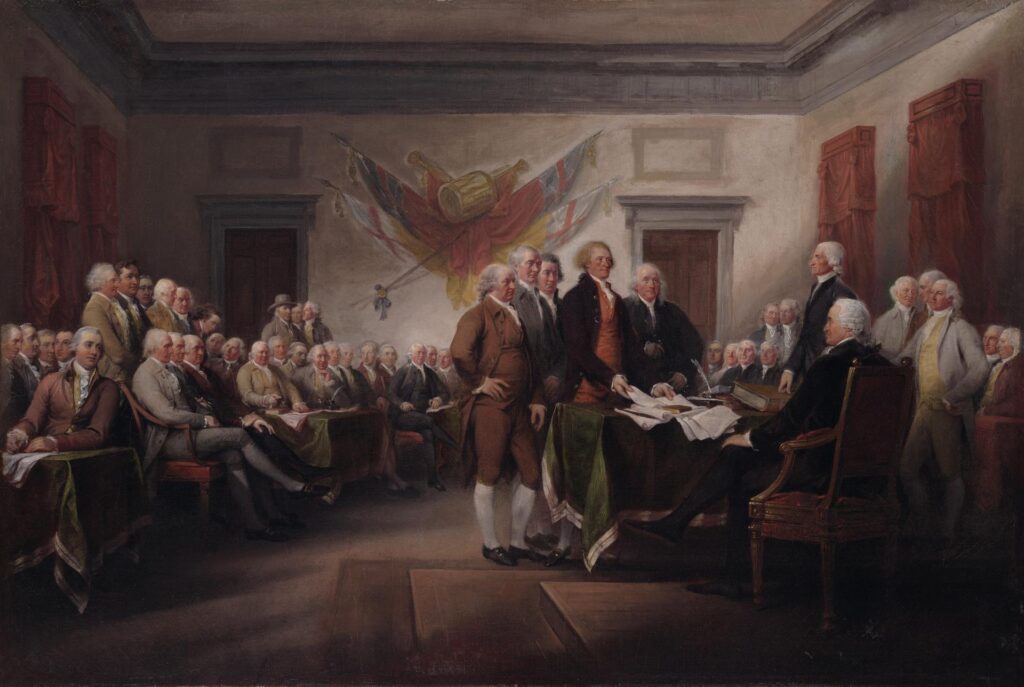
The Declaration of Independence, July 4, 1776
Course:
The Horizon of Independence
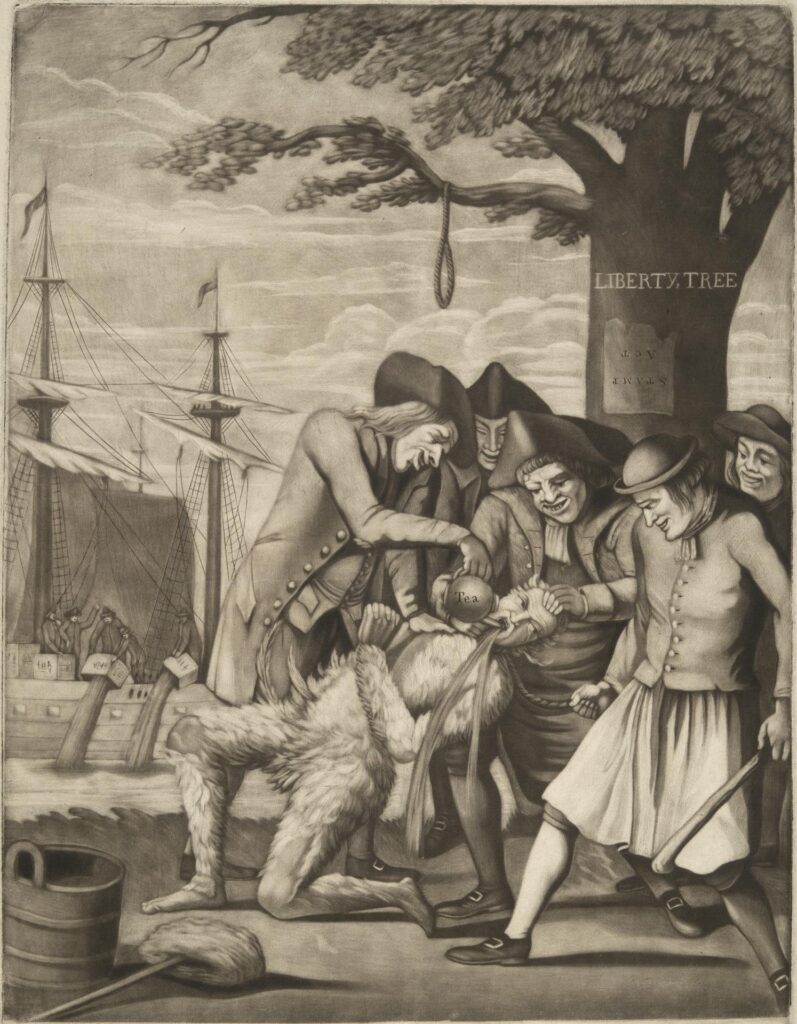
The Bostonians Paying the Excise-Man or Tarring and Feathering
Course:
The Horizon of Independence
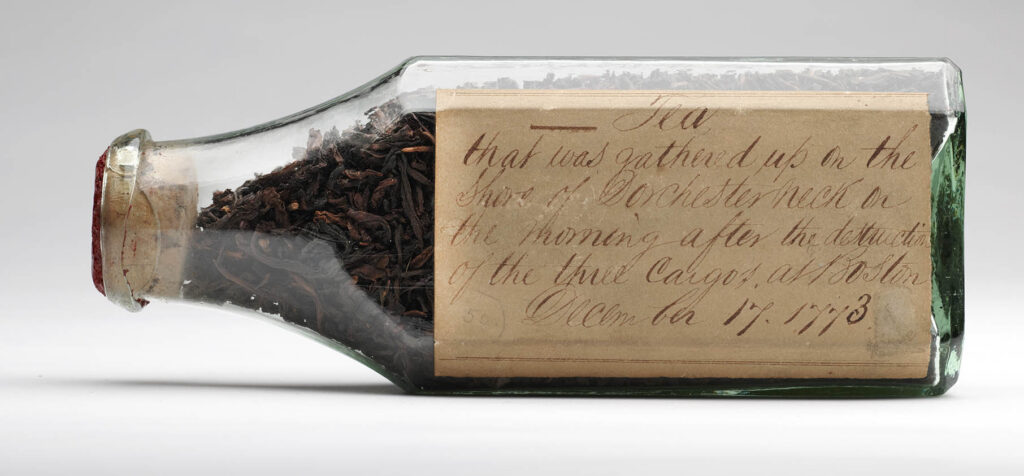
Tea leaves in glass bottle collected on the shore of Dorchester Neck the morning of 17 December 1773
Course:
The Horizon of Independence
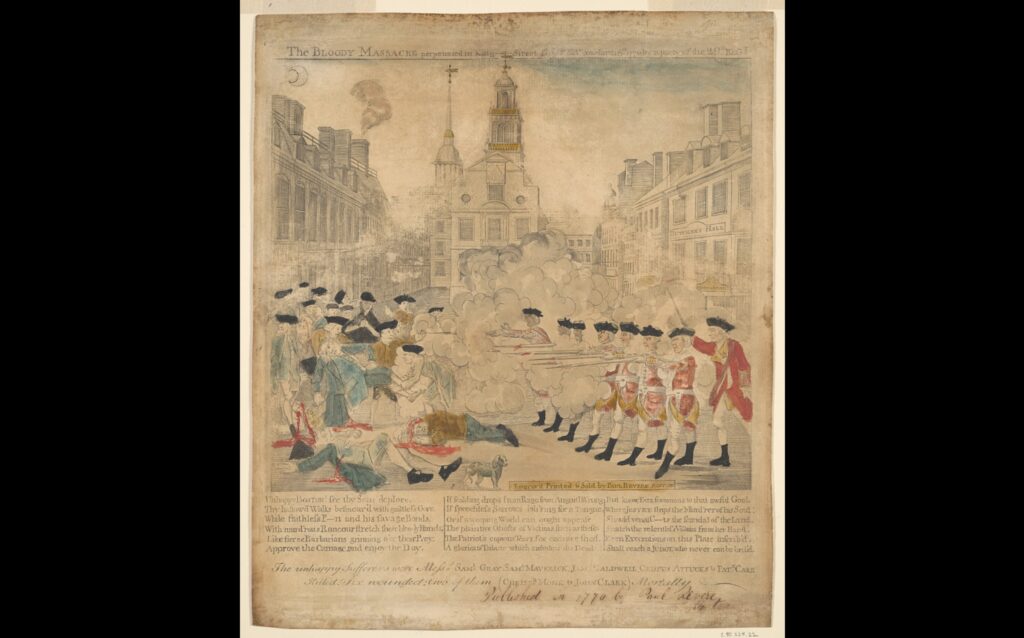
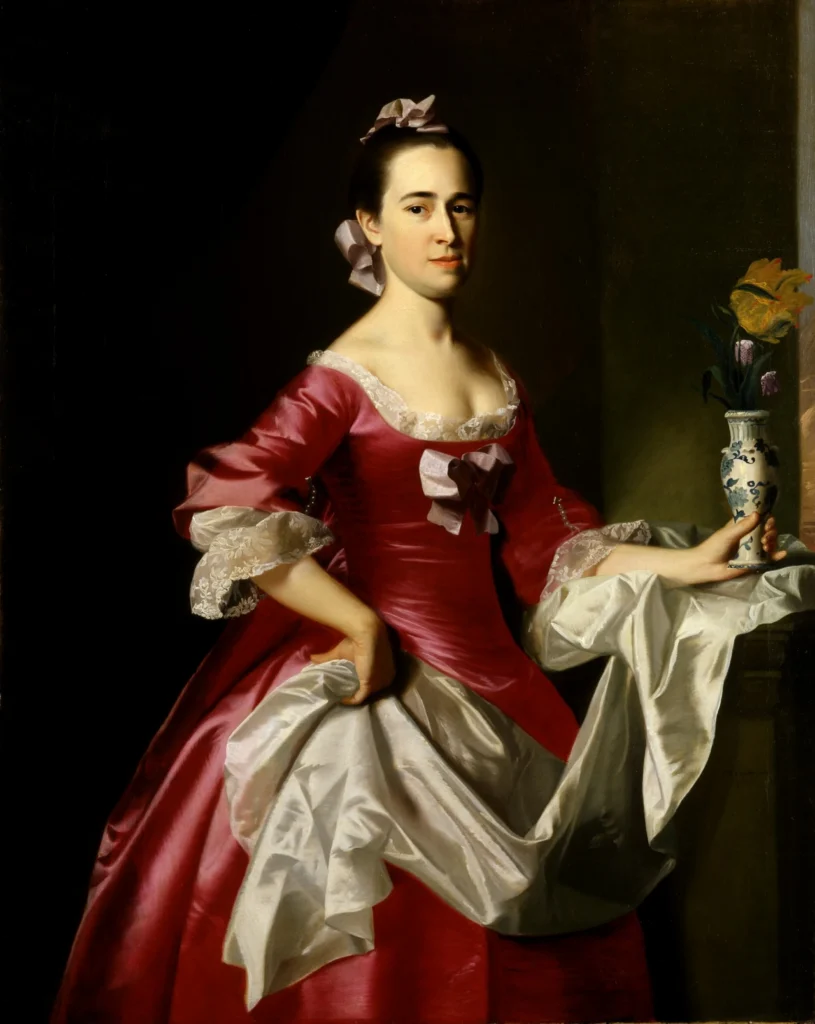
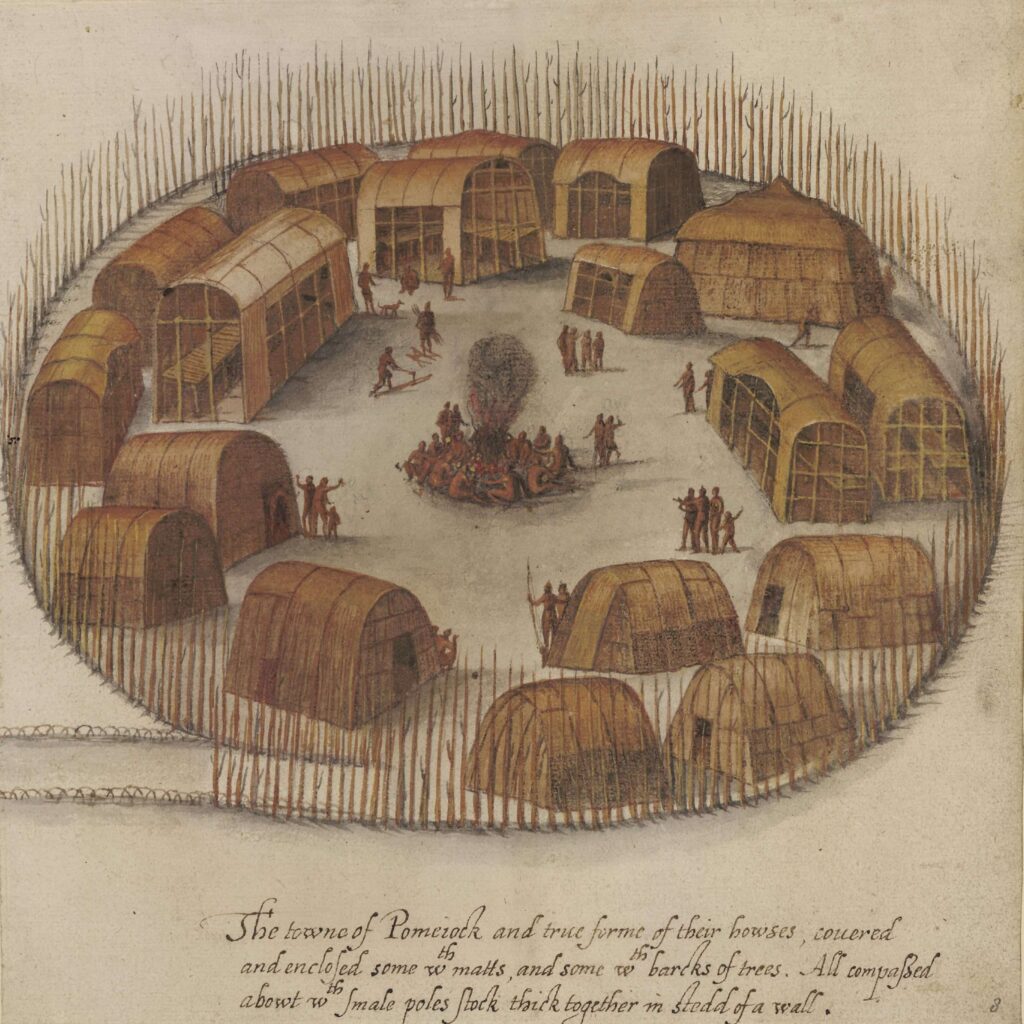
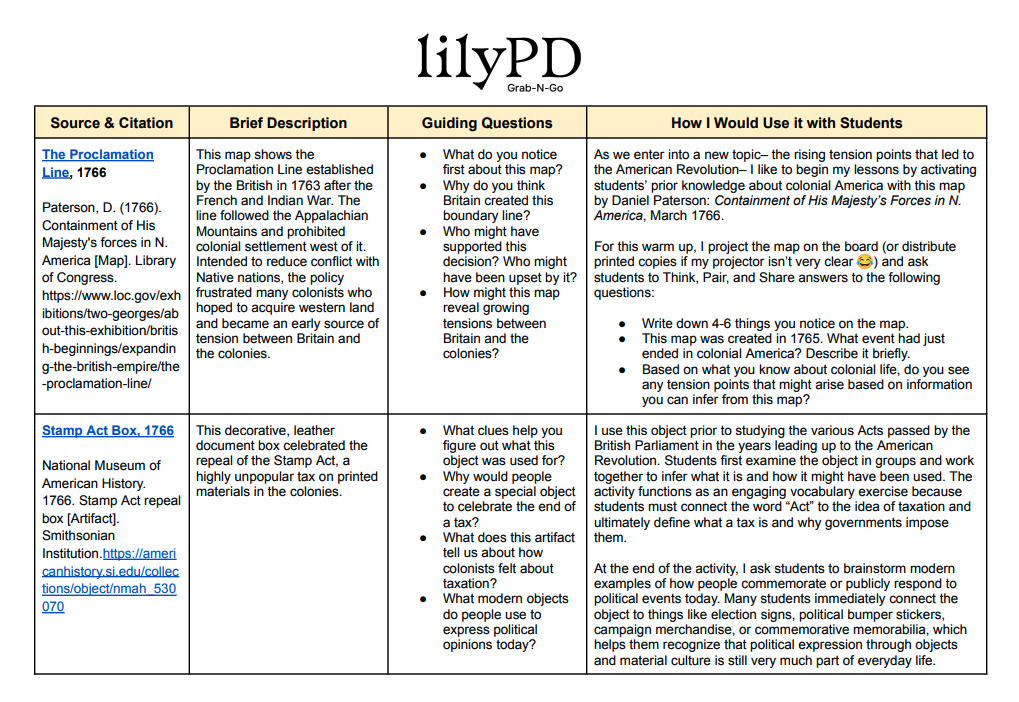
Elementary Primary Source Set: Rising Tensions in America, 1763-1775
Course:
The Horizon of Independence
Elementary Primary Source Set: Life in Early America
Course:
The Horizon of Independence
Secondary Primary Source Set: The Declaration’s Impact, 1776 & Beyond
Course:
The Horizon of Independence
Elementary Primary Source Set: The Declaration’s Impact, 1776 & Beyond
Course:
The Horizon of Independence
Secondary Primary Source Set: Rising Tensions in America, 1763-1775
Course:
The Horizon of Independence
Secondary Primary Source Set: Life in Early America
Course:
The Horizon of Independence
Write a Claim Statement: “Outline It” Claim
Course:
Historical Inquiry in the Classroom
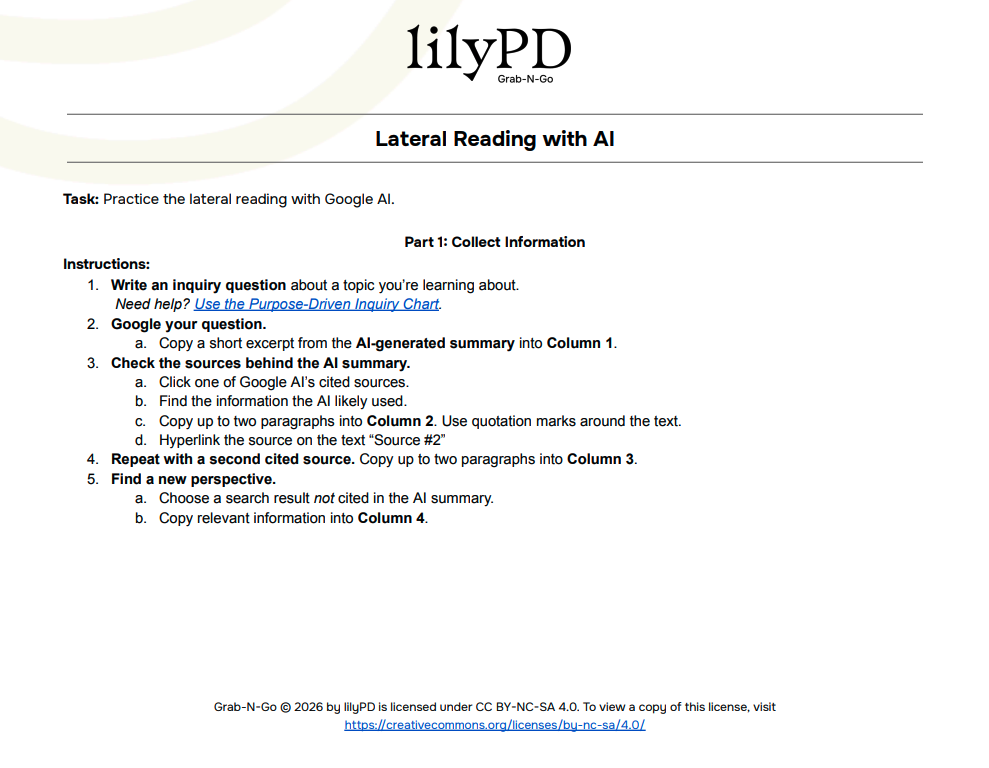
Opening & Closing Routine: Find Your Evidence
Course:
Civil Discourse in the Classroom
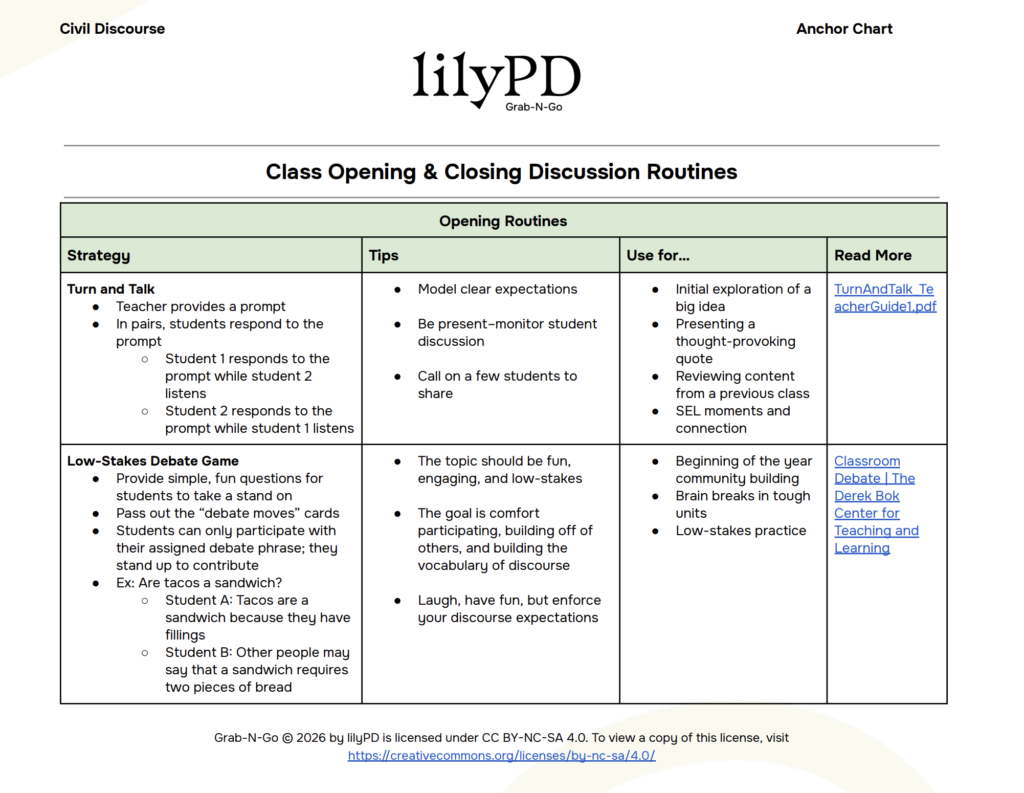
Class Opening & Closing Discussion Routines
Course:
Civil Discourse in the Classroom
Graphic Organizer for Analyzing Podcast Arguments
Course:
Nonfiction Reading Strategies
Graphic Organizer for Analyzing Podcast Content
Course:
Nonfiction Reading Strategies
ARMD Question Protocol for Primary Source Analysis
Course:
Nonfiction Reading Strategies
Primary Source Analysis Strategy: DEEP Context
Course:
Nonfiction Reading Strategies
Literacy Strategy: Most Important Sentence
Course:
Nonfiction Reading Strategies
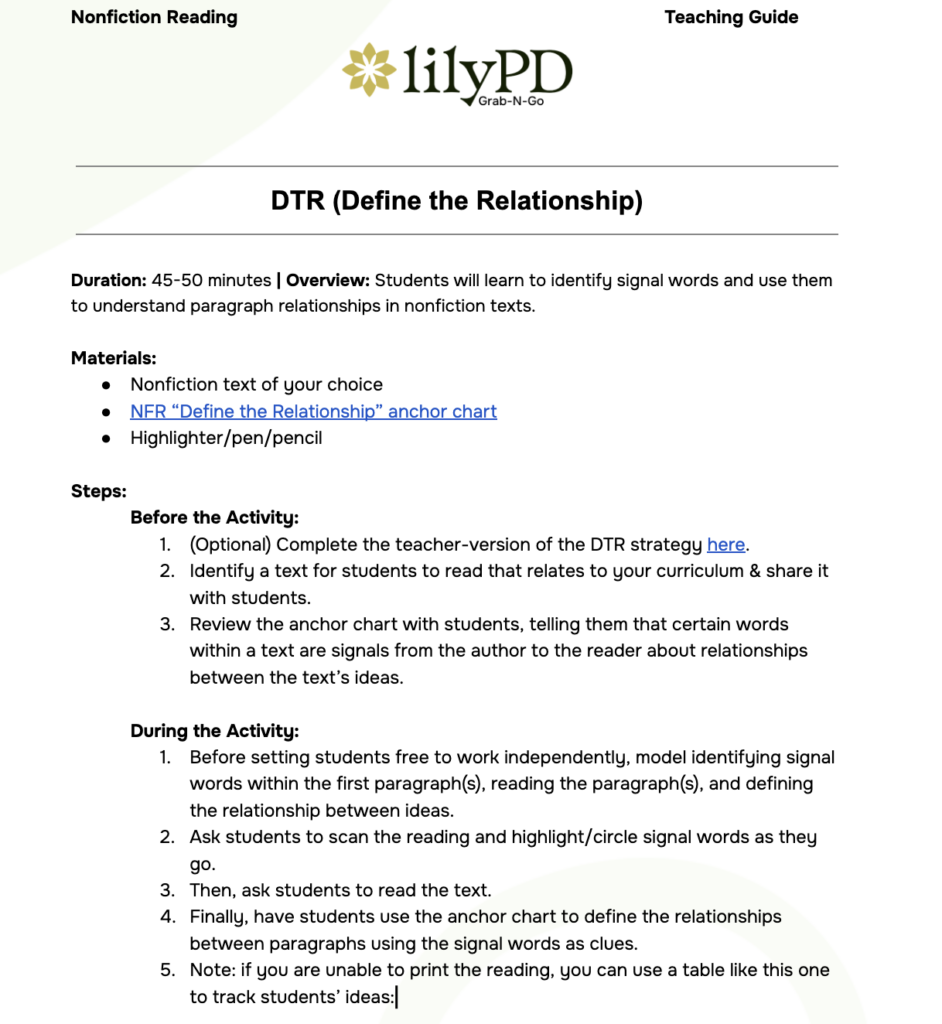
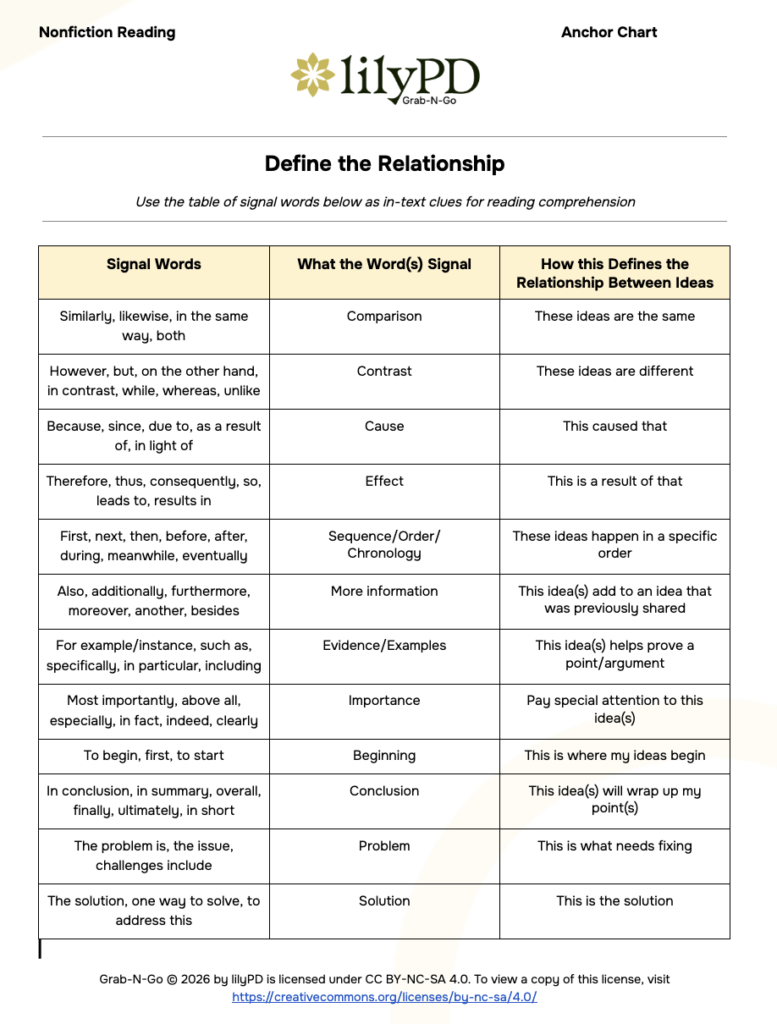
Literacy Strategy: Define the Relationship
Course:
Nonfiction Reading Strategies
Types & Purposes of Nonfiction in Social Studies
Course:
Nonfiction Reading Strategies
Literacy Strategy: Use Text Structure Clues
Course:
Nonfiction Reading Strategies
Literacy Strategy:Use Text Structure Clues
Course:
Nonfiction Reading Strategies
RQI: Facilitating the Question Formulation Technique
Course:
Historical Inquiry in the Classroom
Media Literacy Strategy: Fact Checking
Course:
Historical Inquiry in the Classroom
Media Literacy Strategy: Reverse Image Search
Course:
Historical Inquiry in the Classroom
Researching with Purpose-Driven Inquiry
Course:
Historical Inquiry in the Classroom
Ask Better Questions: Purpose-Driven Inquiry
Course:
Historical Inquiry in the Classroom
Mini DBQ Inquiry Graphic Organizer
Course:
Historical Inquiry in the Classroom
History’s Habits of Mind Course Alignment
Course:
Historical Inquiry in the Classroom
Conversation Cards with Sentence Stems for Civil Discourse
Course:
Civil Discourse in the Classroom
Communicating about Civil Discourse with Classroom Stakeholders
Course:
Civil Discourse in the Classroom
Creating Class Guidelines for Civil Discourse
Course:
Civil Discourse in the Classroom
Aligning Civil Discourse to Curriculum
Course:
Civil Discourse in the Classroom
All resources (172)
This is just the start, stay tuned for more
We’re always adding new courses and resources. Join the newsletter to stay in the loop.