Connect
The lilyPD blog turns research on effective teaching into strategies educators can use tomorrow. Each post pairs a classroom-ready idea — a routine, an activity, a scaffold — with the evidence behind it, trusting teachers to adapt it to their own students. Written by and for practitioners, it treats teaching as a craft worth studying together.
All blog posts (26)

Pass the PD, Please: lilyPD Courses as Thanksgiving Sides
Open to access this content

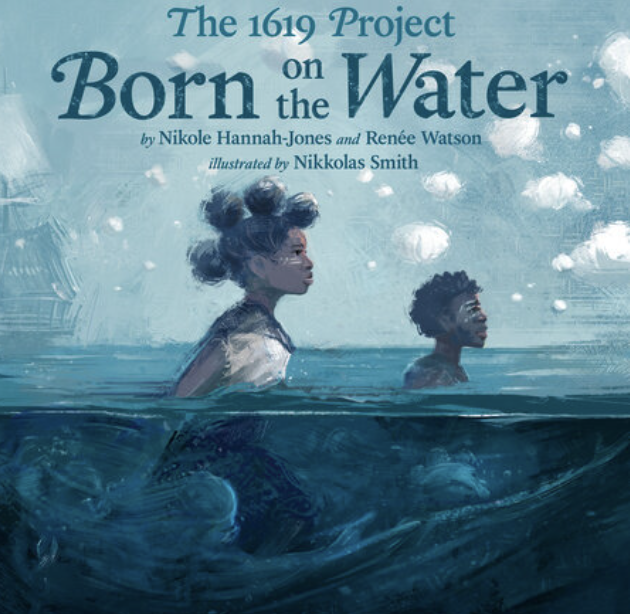
Conversations on Reawakening Hard Histories
Open to access this content

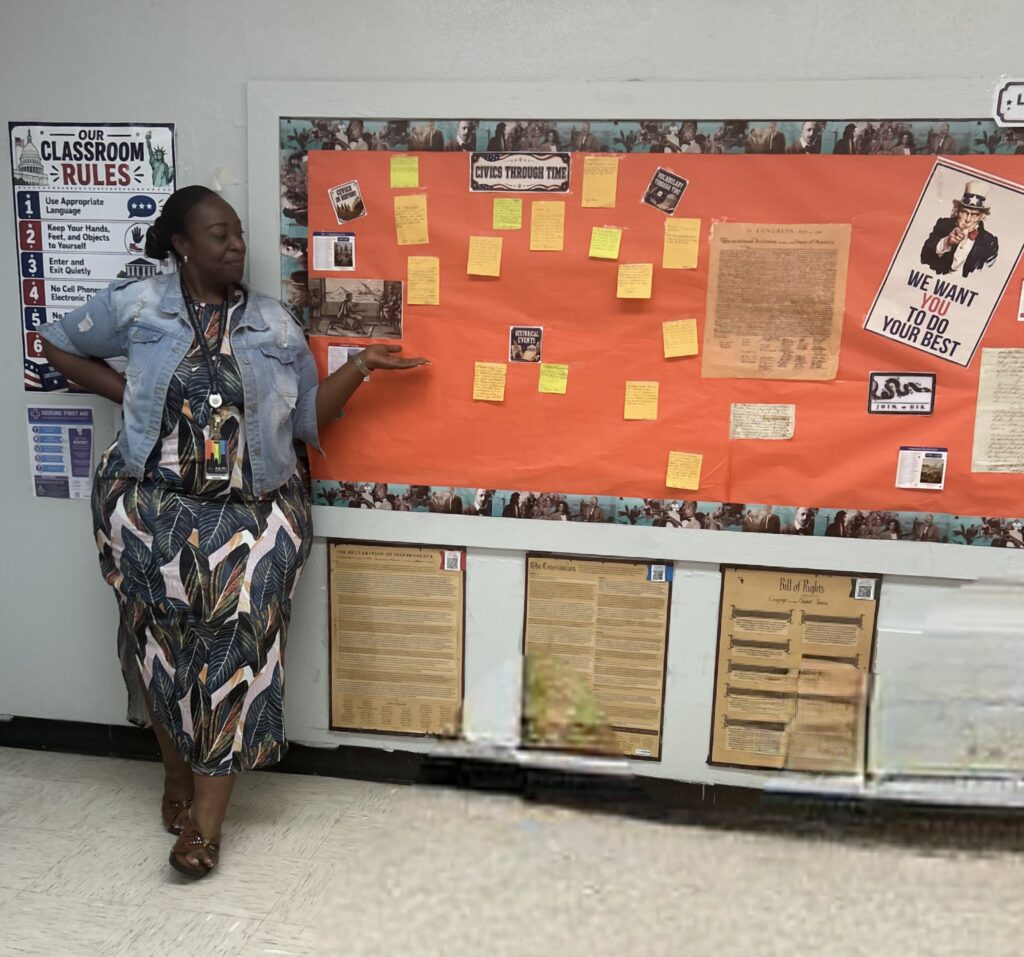
Classroom Close-Up: Monet Baker-Weatherspoon’s Learning Wall
Open to access this content
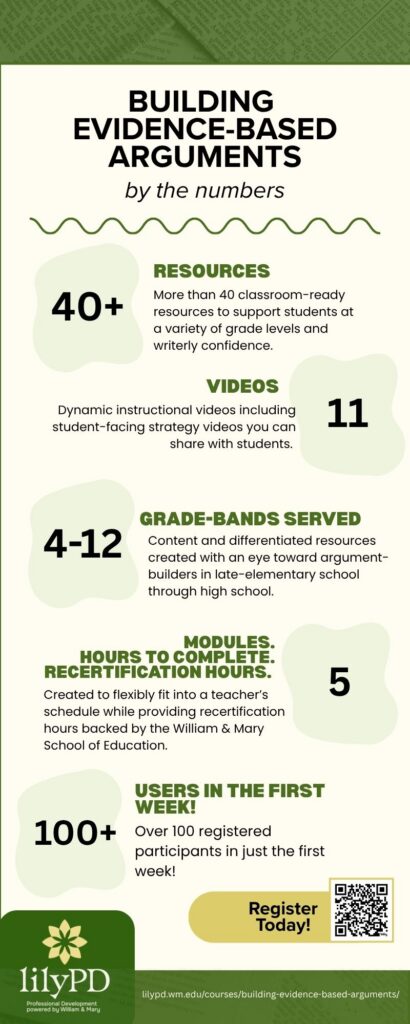
Building Evidence-Based Arguments by the Numbers
Open to access this content
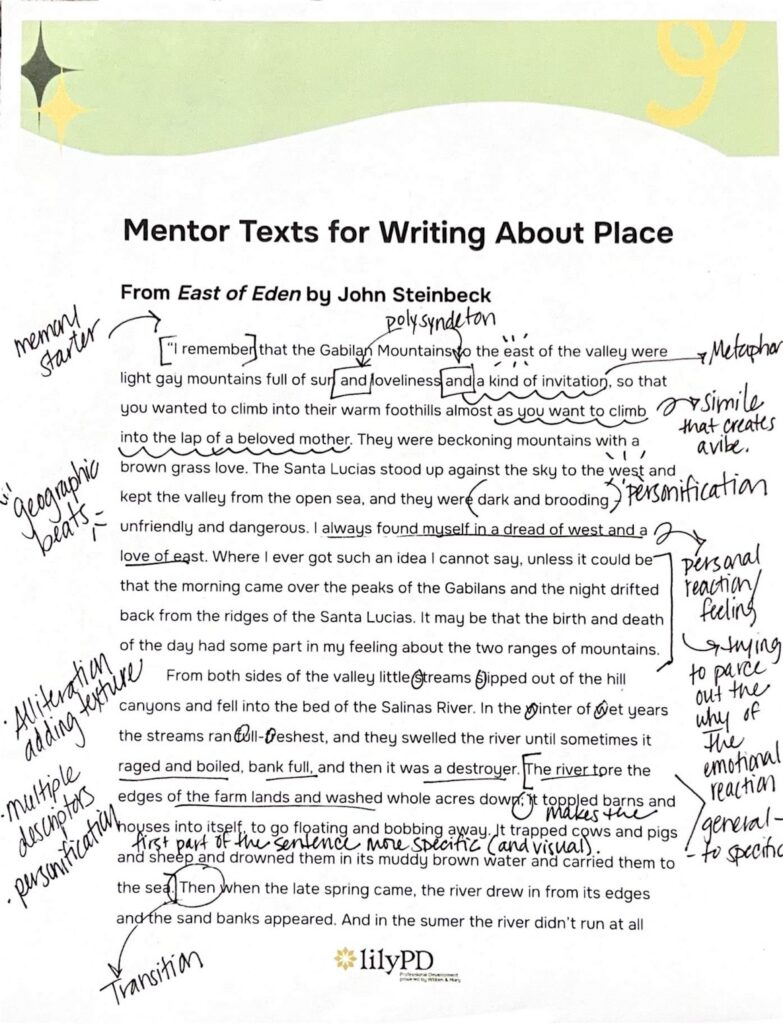
Mining Mentor Moves to Write About a Place
This is our final post in partnership with the National Writing Project’s Write Out 2026, providing new resources and materials for place-based writing with your students! You can catch up on our previous posts: Exploring the Language of Place and Engaging the Historical Imagination in Place-Based Writing.
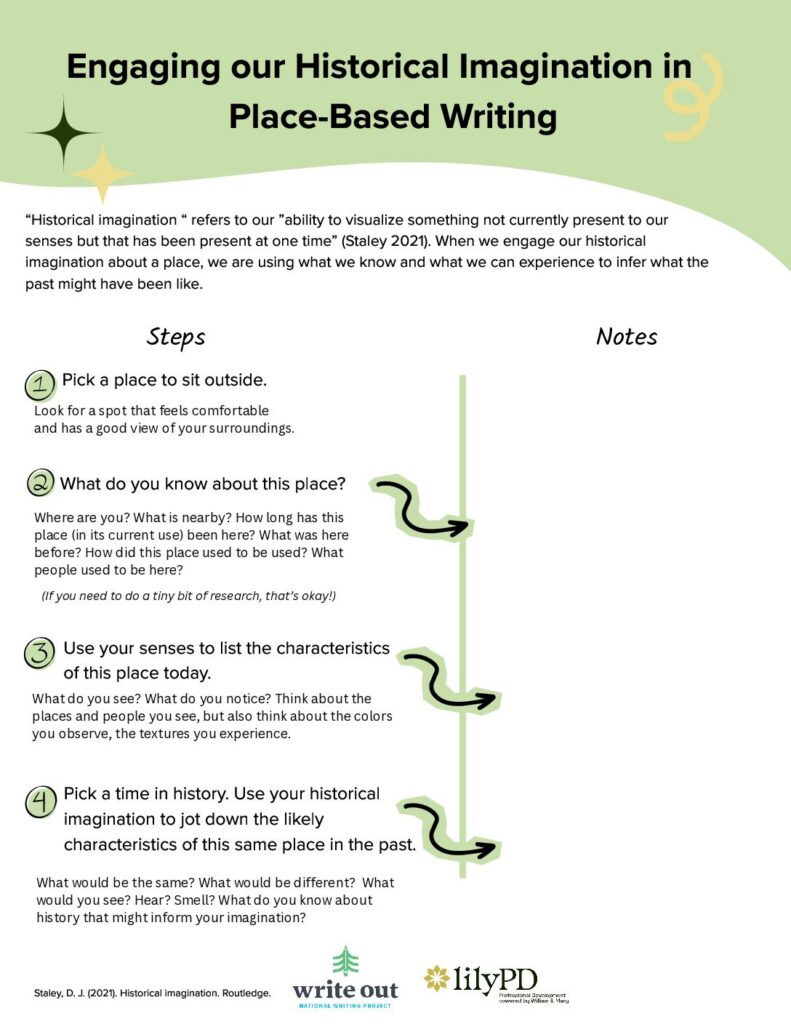
Engaging our Historical Imagination in Place-Based Writing
Open to access this content
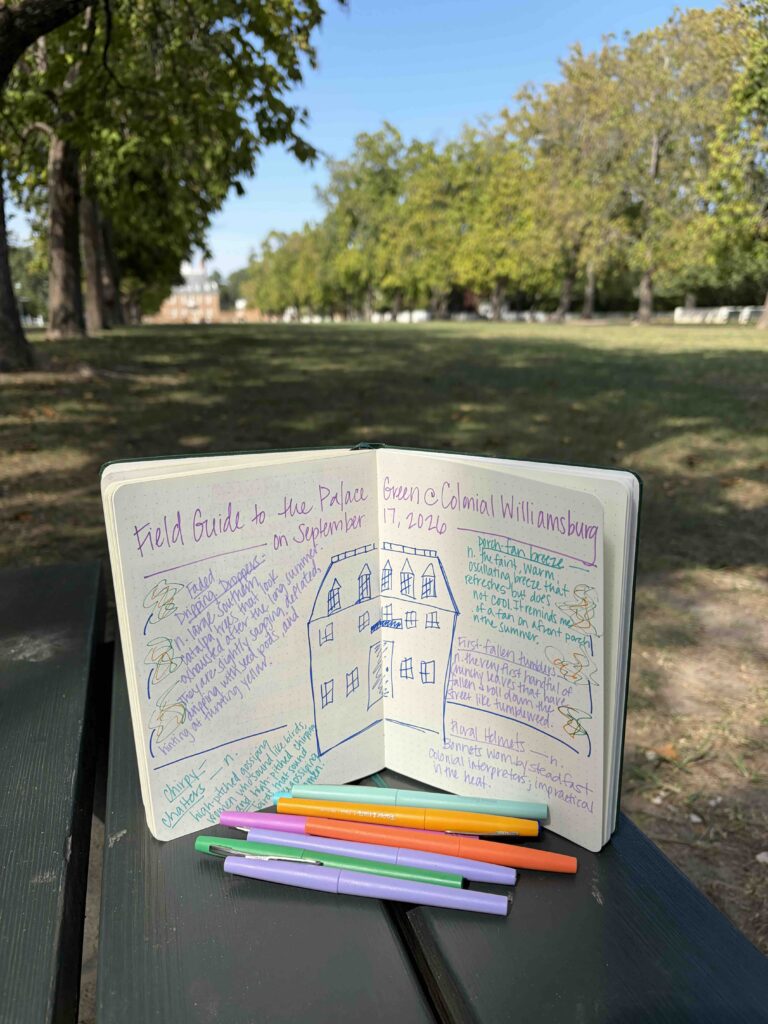
Exploring the Language of Place
Open to access this content

Teaching Takeaway: Using Numbers as a Launchpad for Reading Comprehension
Open to access this content

Strategy Spotlight: Supporting Multilingual Learners in Civil Discourse
Open to access this content

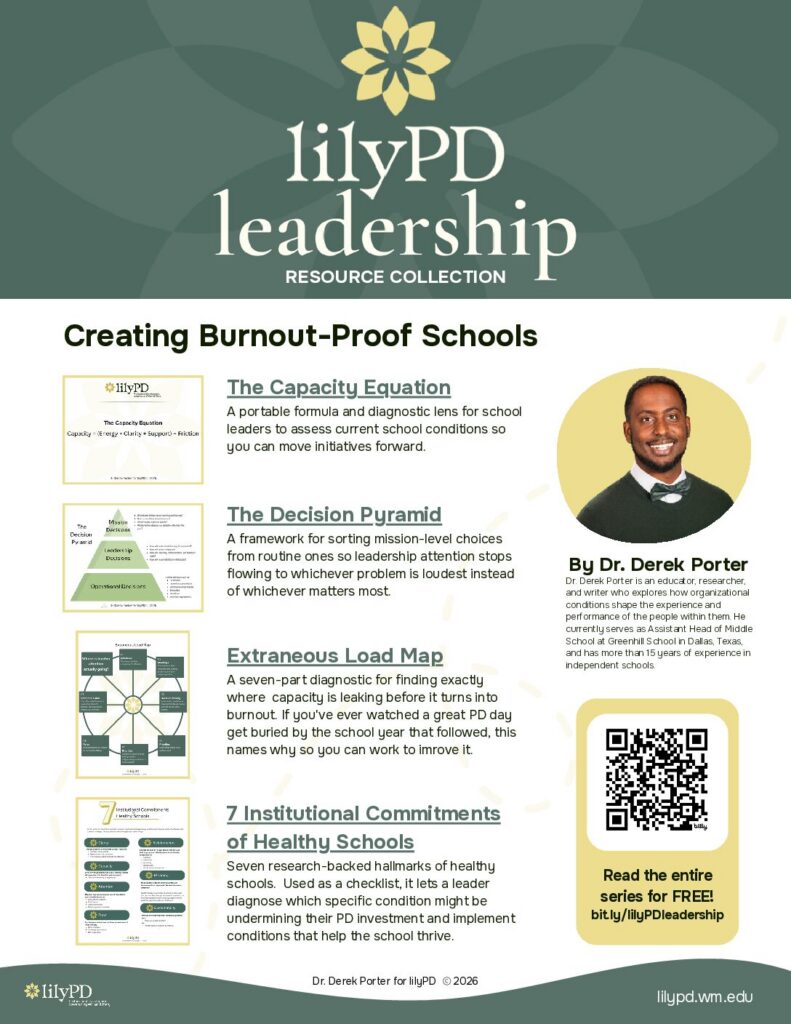
4 Tools to Transform Your School’s PD Culture
Open to access this content

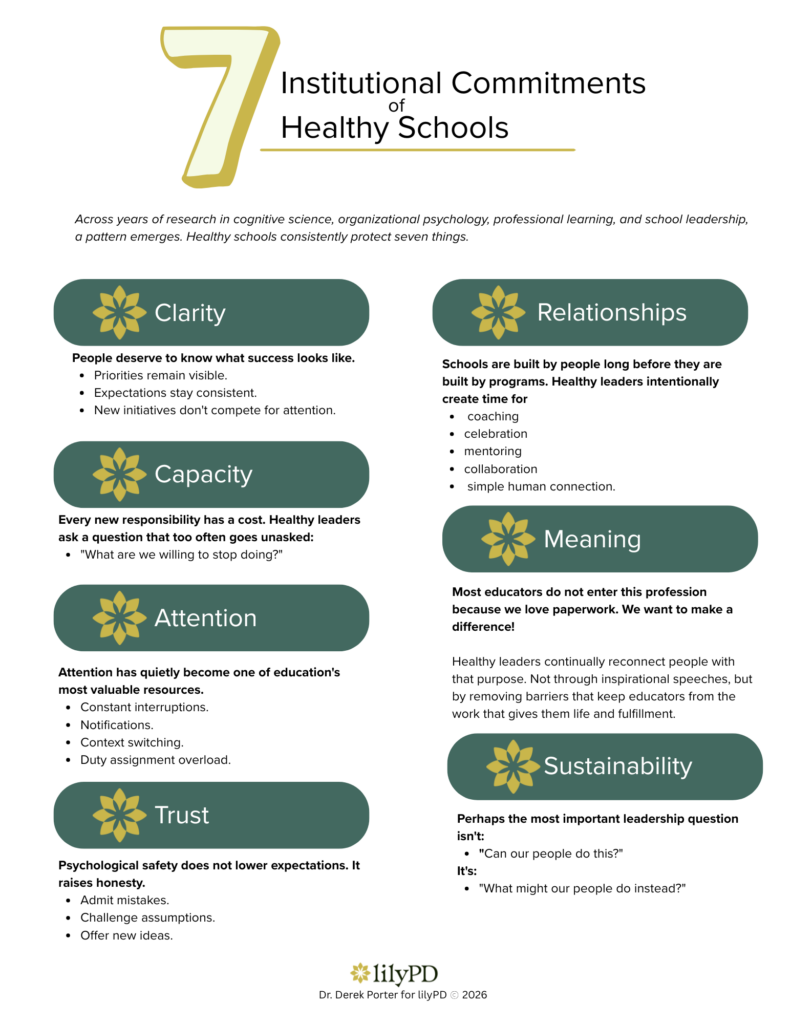
How Healthy Schools Protect People’s Capacity
Open to access this content
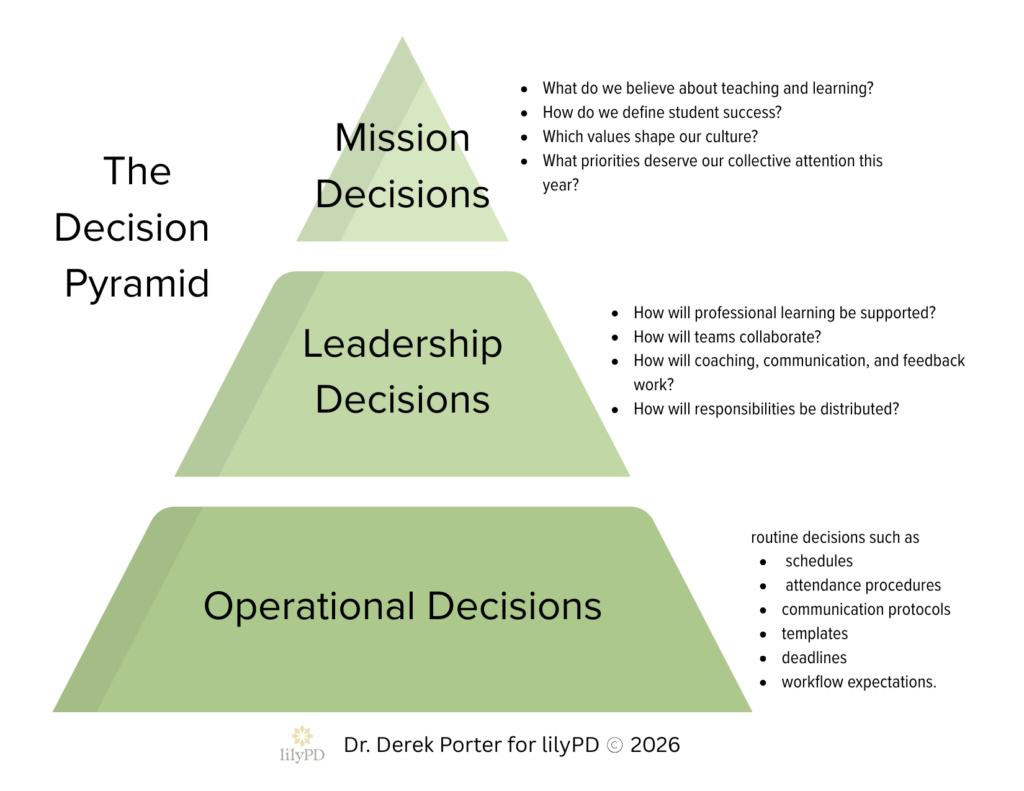
The Decisions Exhausting Every School
Open to access this content
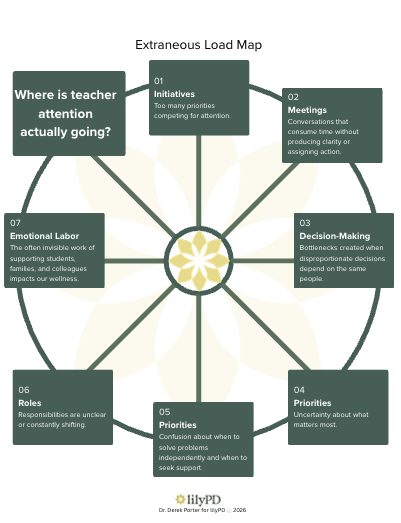
Why Good Professional Learning Doesn’t Change Practice
Open to access this content
Before You Plan Your Next PD Day, Ask This
Open to access this content

Teaching Takeaway: The Benefits of Elaboration
Open to access this content

Nurturing New Teacher Growth All Year Long with lilyPD
If you’ve ever been a new classroom teacher, you probably remember the mix of excitement and uncertainty that came with those first few weeks. There was the anticipation of decorating your classroom, meeting your students, and putting your ideas into practice… AND also the reality that there was so much to learn. Between new systems and new colleagues, countless daily decisions, and the challenge of turning teacher preparation into effective classroom practice, that first year can feel overwhelming.


See It, Name It, Prove It: Making Primary Sources Click for Multilingual Learners
Open to access this content

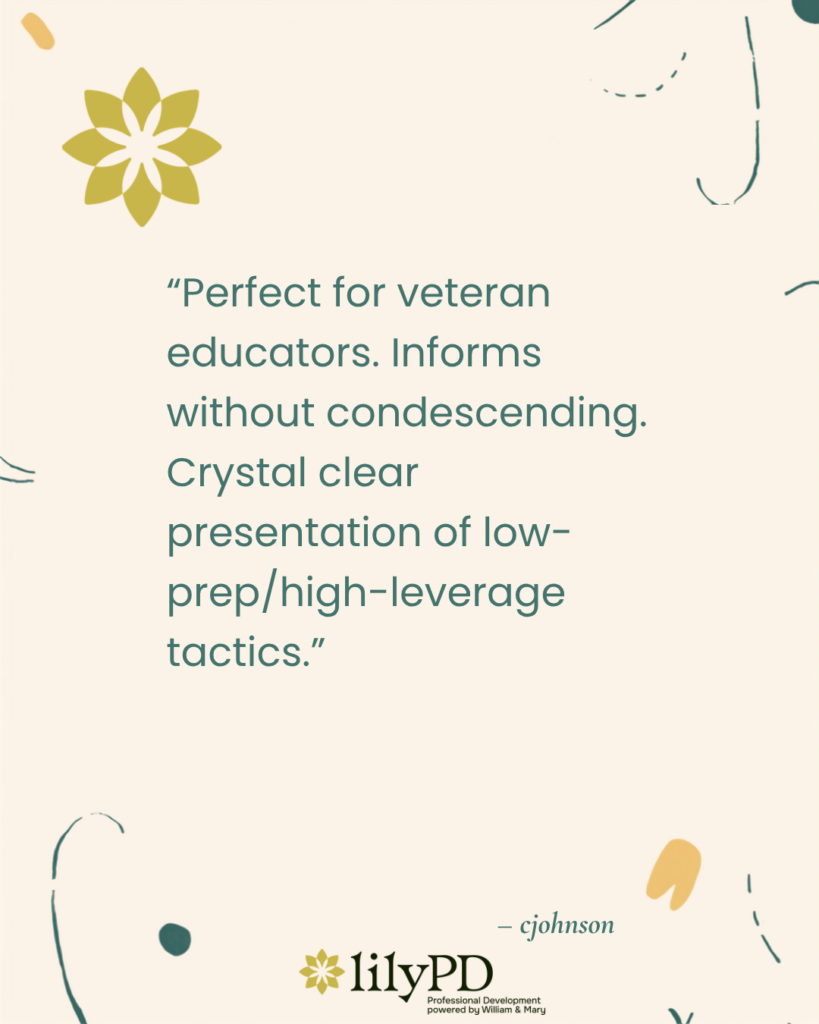
We Asked. Teachers Answered. Here’s What They Say About lilyPD.
Open to access this content


5 Ways to Weave lilyPD into Your School’s PD Ecosystem
As a school leader, you already know the challenge: professional development time is precious, schedules are packed, and the needs of your teachers vary. Resources that can adapt to different contexts give you something rare: real options for supporting your teachers’ growth. lilyPD was designed with exactly that flexibility in mind. Our skills-based online microcourses work as a standalone self-paced experience or as the backbone of structured, collaborative learning. Here are five practical ways you can easily integrate lilyPD into your school’s existing PD ecosystem.

Strategy Spotlight: Silent Round Tables
Open to access this content

A Reflection on Teaching the American Revolution at 250
Patriotism cannot be taught. What we can do is teach American history with fidelity and trust that, as students examine both the ideals expressed in our founding documents and the ways Americans have struggled to fulfill those ideals, they will develop a deeper appreciation for the nation’s enduring promises—and perhaps an even greater sense of responsibility for preserving and extending them.


If lilyPD Courses Were New York Times Bestsellers…
Open to access this content

Teaching Takeaway: Found Poems for Higher-Order Thinking
Open to access this content
3 Ways to Use lilyPD to Super-Charge Your Summer Learning
Open to access this content

Stop Rushing Past Artifacts: Why Slowing Down Changes Everything
Engaging with artifacts in the classroom can be used as a tool to move from surface‑level observations to deeper questions and reasoned interpretations, and it can be fun too!

Explore Word Gaps for an Instant Reading Comprehension Boost
A “word gap” is a word or phrase that a student doesn’t know (Beers and Probst, 2015). A word gap might represent a brand new word the student has never seen before or a word they can understand from context but can’t define. The Collect and Explore Word Gaps strategy asks students to bring together the word gaps they find in a text and then explore them. This strategy is about more than simply learning new language, though. Collecting and exploring not only these individual words but the patterns they form can also help readers understand the big ideas of a text.
All blog posts (26)
Write our next great piece
We’re always looking for partners to contribute to lilyPD’s growing library of articles, courses, and resources. Let’s connect!