
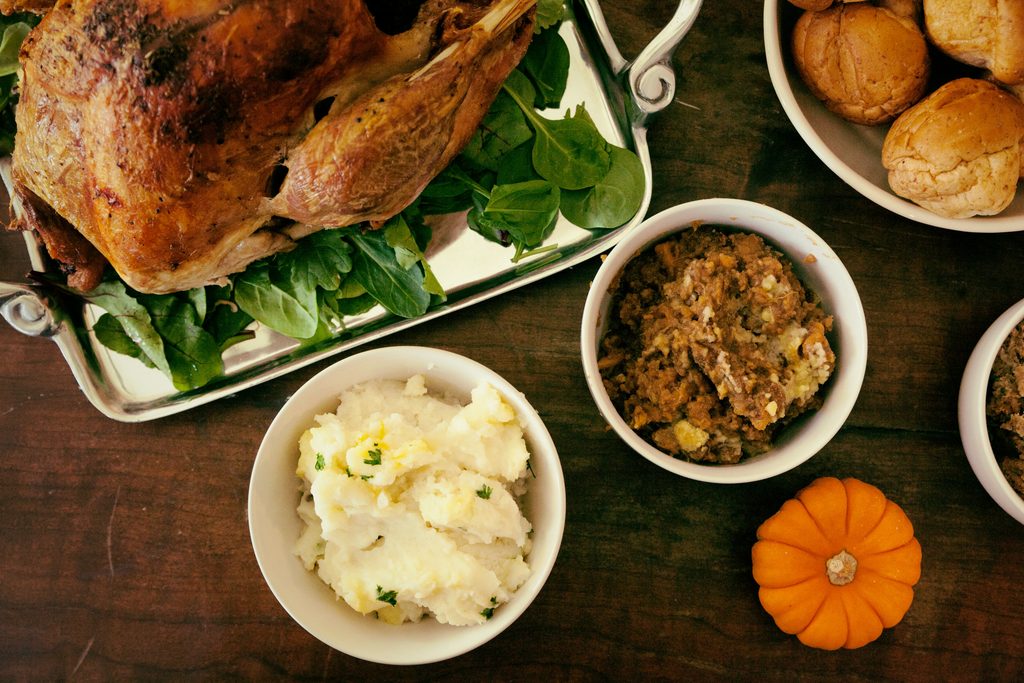
Sure, we all have our favorites, but we don’t look forward to Thanksgiving for just one dish. It’s the whole table: the sturdy stuff, the showy stuff, and the odd casserole that appeared in 1987 and never left.
That’s how we think about professional learning, too. No single course feeds everything a teacher needs. You want a spread.
So we laid the lilyPD catalog out on the table and started pairing. Pull up a chair.
And as our Thanksgiving gift to you, use code THANKS40 (40% off first purchase; valid November 19 – December 1) at checkout to enroll in any of our three paid courses!
Nonfiction Reading Strategies for History and Social Studies: the gravy
Dry turkey is forgivable. Dry text, not so much. Dense primary sources and nonfiction chapters go down a lot easier with a little help, and that's what this course offers: reading strategies that smooth out the lumps and turn a hard text into something students can actually take in. Pour generously.<br><br>

Building Evidence-Based Arguments: the mashed potatoes
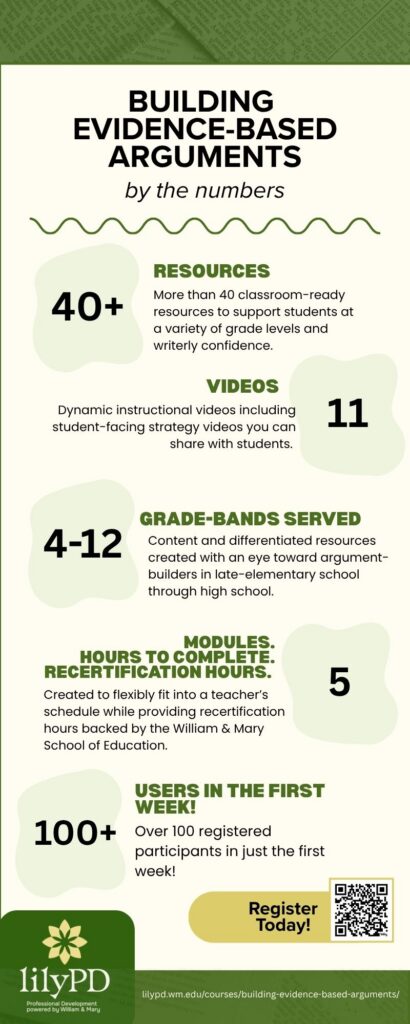
Every plate starts here. Nobody makes them perfectly the first time, and a few lumps never hurt anybody. This course is built on repeated, low-stakes practice (claim, evidence, reasoning, again and again) so students get better one small adjustment at a time. A little more butter. A little more evidence.
Civil Discourse in the Classroom: the cranberry sauce
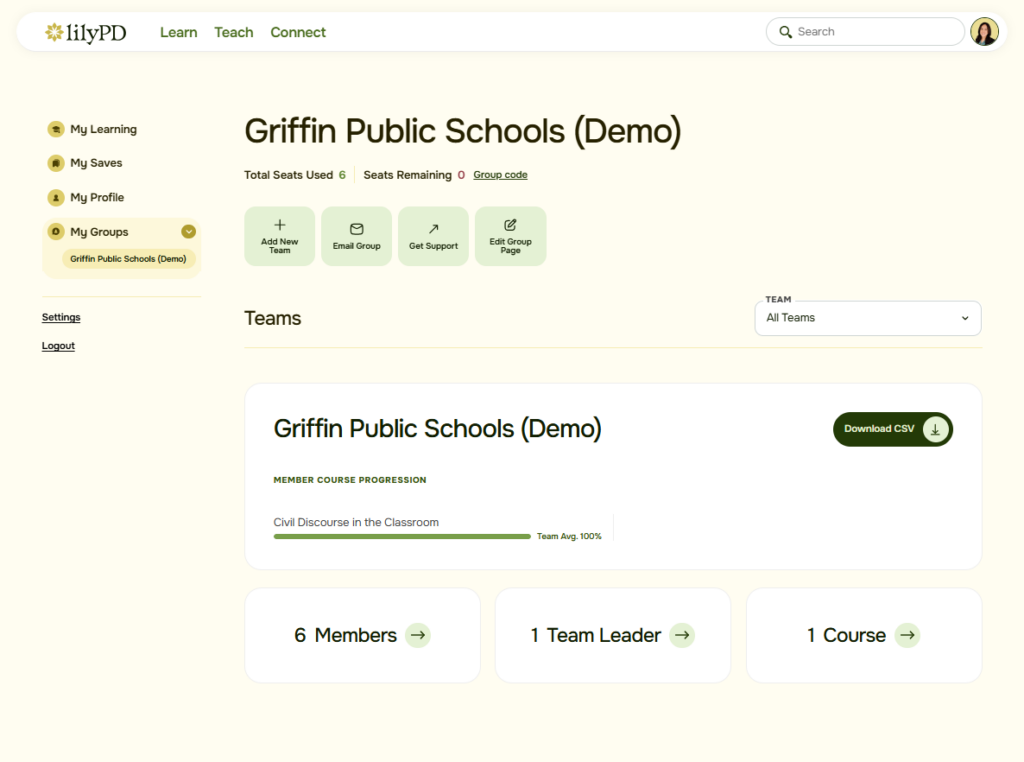
Canned, with the ridges still on it? Or homemade with orange zest? Every family has this argument, and it's a good one because everyone at the table can disagree and still pass the bowl around the table. That's the skill. This free course gives you a framework for helping students do exactly that.
Project-Based Learning: the sweet potato casserole
Each layer in the casserole has its own job and its own timing: the creamy base, marshmellowy topping, the crunchy topping. . Project based learning has layers, too. Our newest course walks you through strategies for every layer (or phase) of a project. And just like your favorite sweet potato casserole, you end up with something bigger than the sum of its steps.
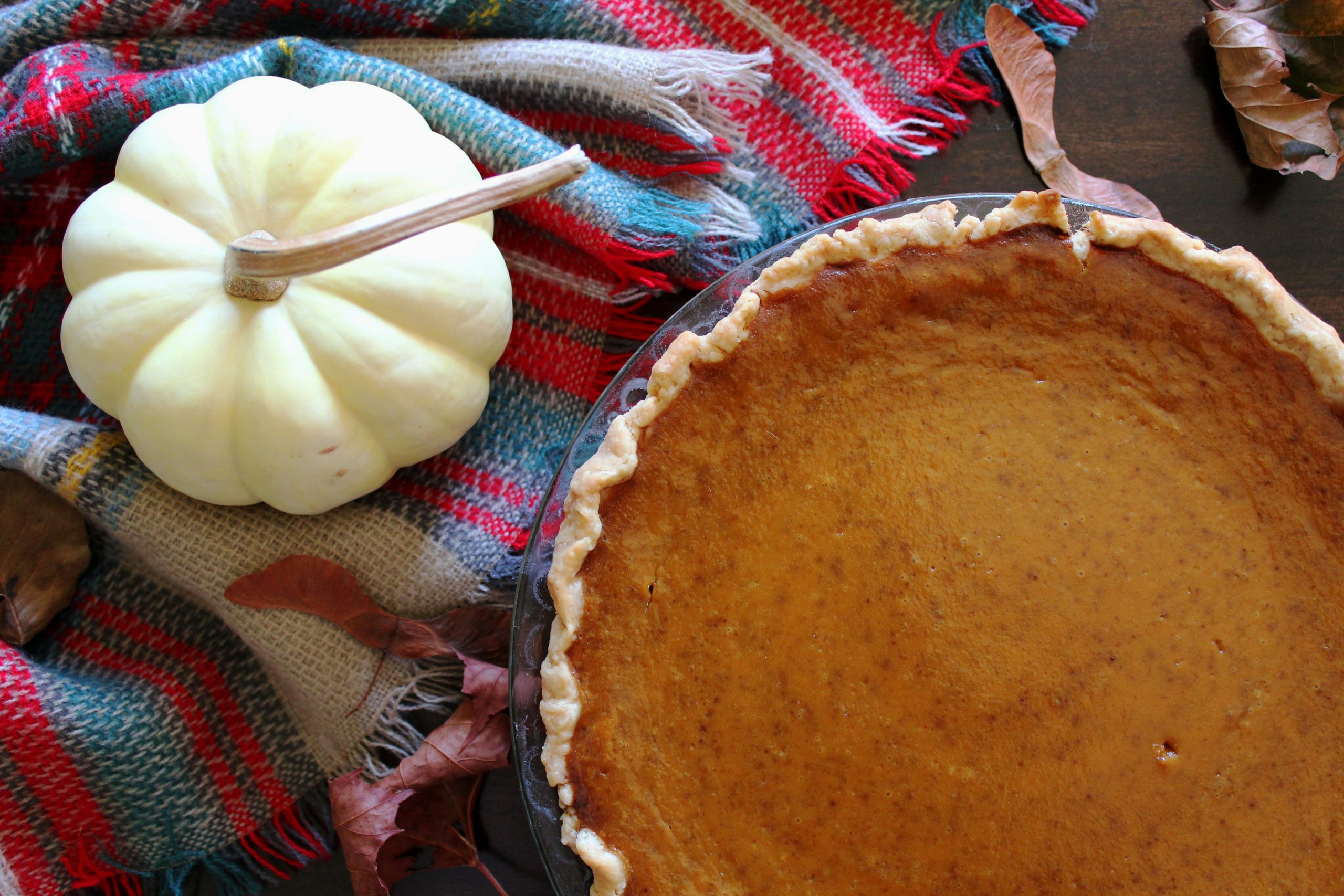
The Horizon of Independence: the pumpkin pie
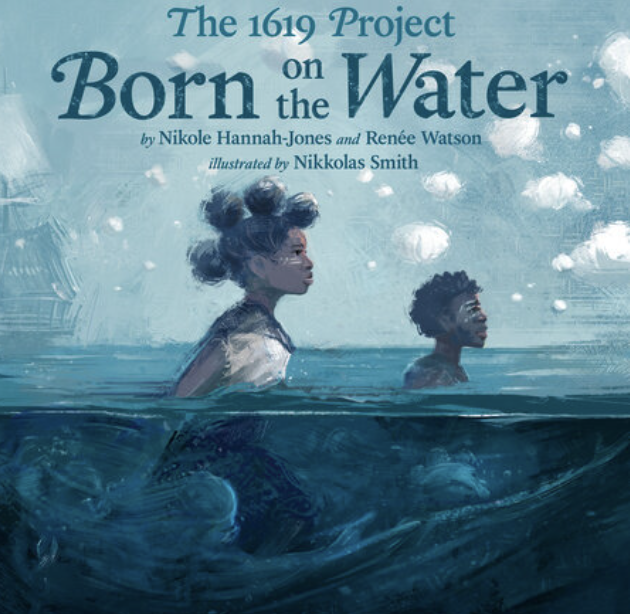
Pumpkin pie is the dish that makes us think of early America, and like early America, it's more complicated than it might seem. So is this course. It's the first in a three-part series on the American Revolution, and it traces early America from Jamestown in 1607 to 1776, treating independence not as a single moment but as a process that began long before the first shots were fired. In this free course, Sam Futrell walks teachers through primary sources (with scaffolds for students who need more support or more challenge), chats with experts, and offers strategies for teaching hard history along the way.
Artifact Analysis: the stuffing
Each cook's version is a small mystery. Bread, sage, celery, and something Aunt Linda won't name. So you look closely. You observe. You infer. You ask what this dish says about the people who made it. Sound familiar? That's artifact analysis. Learn transferable strategies that can go straight to your classroom!
Exhibits in the Classroom: the cornbread
Sweet or savory? Sugar or no sugar? Every pan of cornbread is an argument about what cornbread should be, and the best way to learn to make a good one is to study someone else's. That's the heart of this course. Sam Futrell and Maggie Creech show teachers how to treat museum exhibits, physical and virtual, as argumentative texts. Curation is a series of choices, and those choices make a claim. Students study professional exhibits as WAGOLLs, then become young public historians themselves: choosing artifacts, writing museum labels, and sharing their work with a real audience.
Historical Inquiry in the Classroom: the green bean casserole
Where did this come from? How did it end up on nearly every table in America? (A corporate test kitchen, as it happens.) That's a question worth chasing, and good historical inquiry starts in the very same place. This free course helps teachers move from delivering information to guiding student-led investigation, building a "historian's mindset" that starts with educated questions. Along the way, you'll try frameworks like the Inquiry Design Model and the Question Formulation Technique, with lessons that strengthen both content literacy and media literacy.
Podcasting for Educators: the mac and cheese
It wasn't at the original table. But try imagining the meal without it. Podcasting is the newer arrival that students love, the comfort food of engagement. Learn how to make podcasting dreams a reality with ready-to-use classroom resources and strategies.

Coming soon: Foundations of Writing Evidence-Based Arguments: the dinner rolls
Basic. Essential. This course picks up where Building Evidence-Based Arguments leaves off: once students have an idea worth arguing, how do they get it onto the page? Each module starts with a question your students might actually ask. The strategies work for writers at every level of confidence and take students from drafting to polishing. Coming in November 2026!

Come hungry!
Every lilyPD course is self-paced and earns five hours of professional development credit, so go ahead and fill your plate. Start with whichever dish your students need most this year, and save room for seconds.






Log in to leave a comment