About the course
Our unique methodology
This course approaches artifact analysis as an inquiry-driven, student-centered practice that positions objects as entry points into historical thinking. Rather than treating artifacts as static illustrations of the past, we frame them as evidence to be questioned, interpreted, and debated.
This course will empower educators to support students as they engage with artifacts through structured observation, questioning, and interpretation protocols (such as thinking routines and inquiry frameworks), allowing them to generate and refine their own historical claims. Teachers serve as facilitators—designing intentional experiences, scaffolding analysis, and guiding students toward evidence-based reasoning.
Details
Includes
Shareable certificate
Accreditation compliant
Course accessibility
What you’ll learn
Master Core Concepts
- Define artifacts with a focus on classroom application.
- Explain the benefits of integrating artifacts into your teaching practice.
Develop Facilitation Skills
- Evaluate a range of artifact analysis frameworks and protocols.
- Acquire hands-on experience through practical exercises designed for your classroom context.
Apply Your Skills in Context
- Design impactful classroom activities around historical synthesis through artifacts.
- Learn how to implement and assess these activities in line with curriculum goals and learning objectives.
Share Your Learning
- Complete assessments that demonstrate your new capabilities and document your progress.
- Leverage a diverse range of supplementary resources.
Skills you’ll gain
Reflection moments
Our moments echo our methodology—these are a ‘pause’, and take the focus temporarily away from the core content of the course to think deeply on the details—but are nevertheless connected to the subject matter.

Think²
Pause and examine your assumptions. These moments encourage you to question what you think you know and consider alternative perspectives on the topic.
Think² Shared
Consider your students’ perspectives and experiences. These moments focus on understanding how learners process and engage with civil discourse concepts.

Literacy
Connect course content to broader reading and research. Literacy moments bridge theory and practice through curated texts and scholarly resources.
Ready to transform your classroom conversations?
Join educators building the skills to facilitate meaningful, respectful dialogue with students of all ages.
Modules

Featured course resources
A microcourse is a short, focused learning experience designed to be completed in manageable segments — so you can fit professional development into your actual schedule, not just your PD days.
Course length varies, but most microcourses are designed to be completed in five hours — and you can pause and return whenever it works for you.
All courses are developed by teachers in collaboration with William & Mary faculty researchers, museum professionals, and other experts. Courses are grounded in learning science and backed by William & Mary’s decades of leadership in civic education. Content is designed to be rigorous and immediately applicable in the classroom.
Five courses are available for free during the public beta:Artifact Analysis, Civil Discourse, History Inquiry, Nonfiction Reading Strategies, and Podcasting in the Classroom. More courses will be added soon.
When you complete a lilyPD course, you’ll receive a downloadable certificate worth 5 hours of professional development, accredited by William & Mary’s School of Education.
Discover more courses
Continue your professional development journey with these related courses.
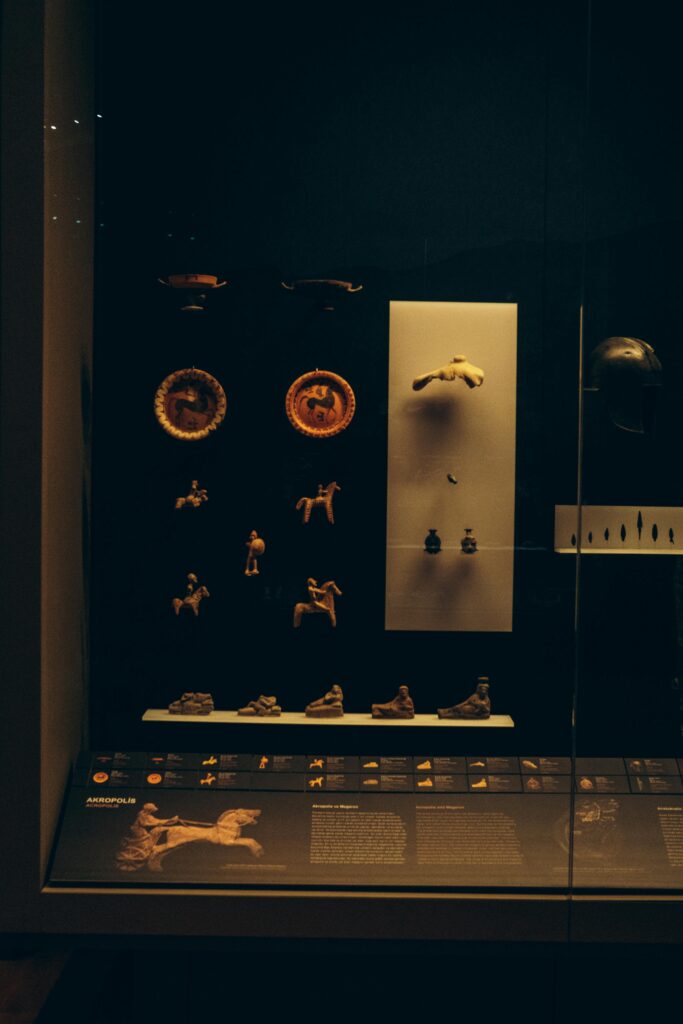
Artifact Analysis
Explore dynamic ways to support artifact analysis in your social studies classroom.

Civil Discourse in the Classroom
This course introduces educators to a research-backed framework for facilitating productive, respectful dialogue in classrooms of all levels.


Podcasting for Educators
Learn how to use professional podcasts as powerful classroom texts and support students as they create podcasts.

Historical Inquiry in the Classroom
Made for any social studies teacher who wants to elevate their inquiry instruction and empower students to think like historians.

Nonfiction Reading Strategies
Learn how to teach students to read strategically in any subject area, so they can navigate nonfiction texts with purpose, confidence, and clarity.