Poet Kate Baer has made a game of taking online hate-mail and transforming it into erasure poetry, a type of found poem. In a found poem, a writer takes key words from another text, arranges and rearranges them, and creates a completely new, original work. In her erasure poems, Baer takes something meant to attack her and reimagines the language, transforming it into a thing of beauty.
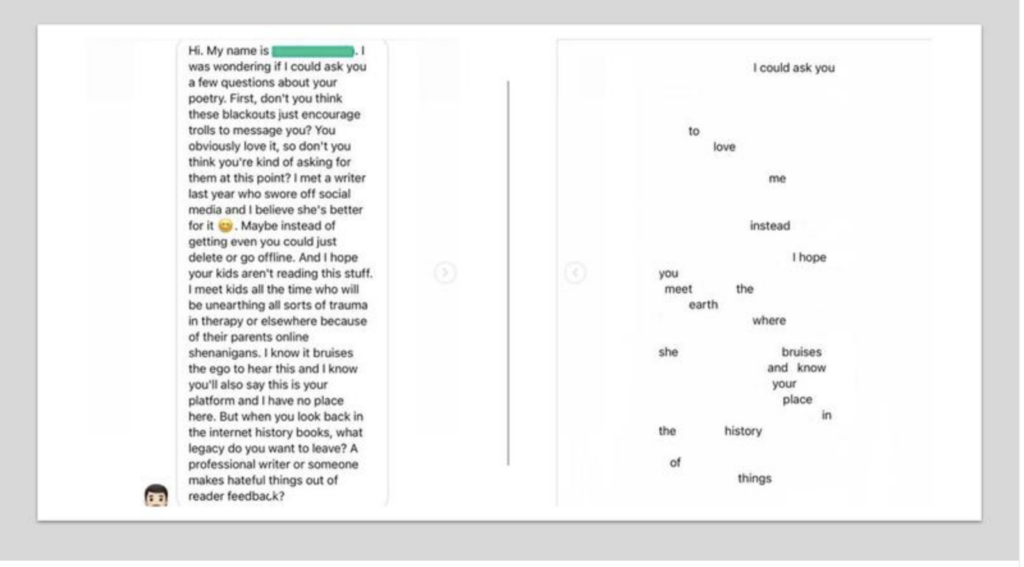
It’s funny; it’s cool; it’s definitely playful (and also a little bit snarky). And it shows her genius. To create her original poem, Baer deeply engages with the original text – its original purpose, its diction, its layers of meaning. Found poetry demands nuanced understanding of the original text in order to build something new.
In fact, found poetry moves a thinker from understanding through analysis and ultimately to creation.
Maybe your students are not Kate Baer, a famous contemporary poet and Instapoetry influencer. But found poems are a playful and accessible way for any student to go deeper with a text – to make their understanding more nuanced and move into higher-order thinking skills – by closely examining word choice, purpose, meaning, context, and form.
The Resource
How We Used It
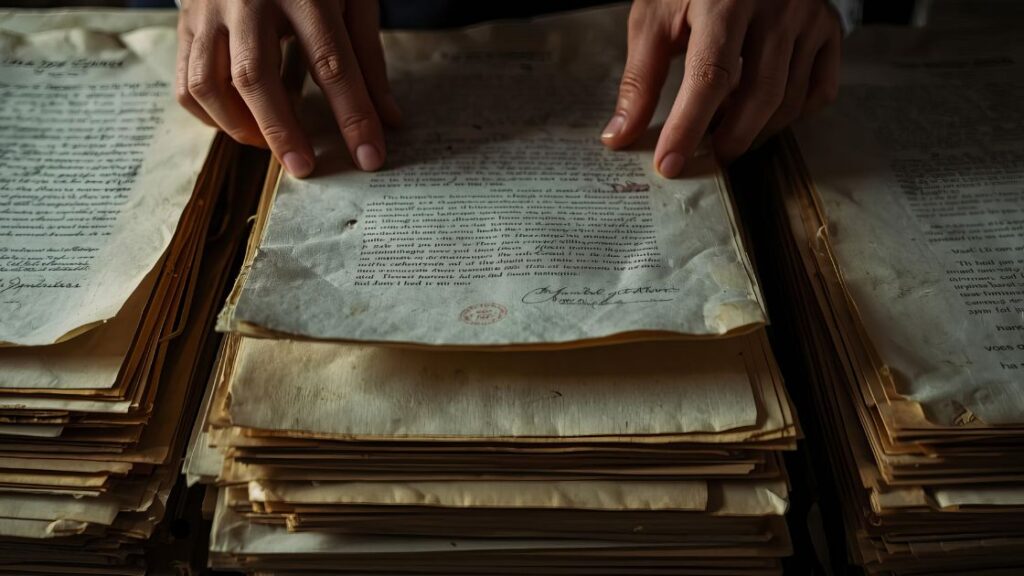
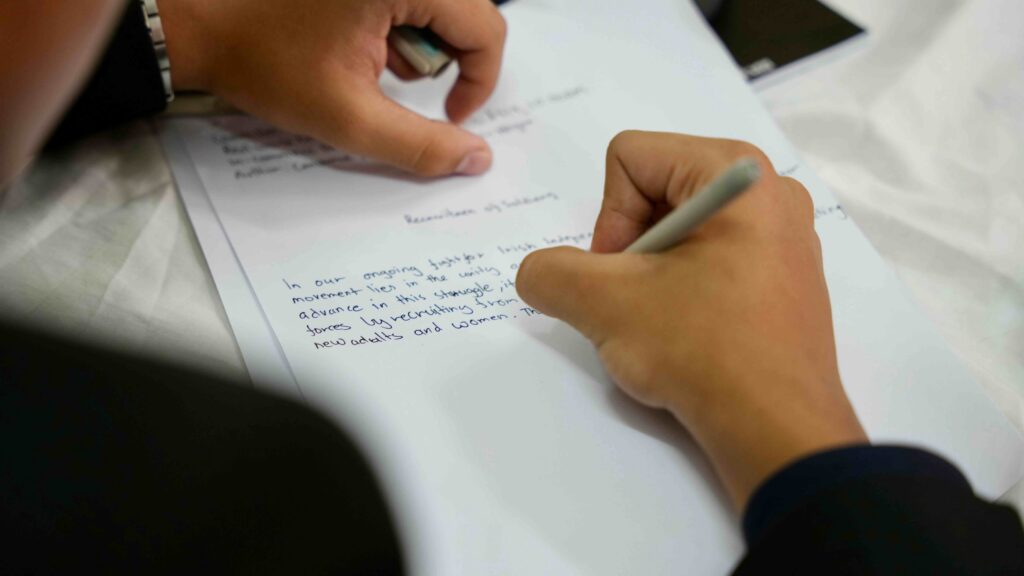
This resource was originally created for primary source analysis as a way to help students slow down and articulate the main idea or argument of a primary source. It invites students to identify the text’s theme and connect that theme to keywords in the text. (This attention to word-level understanding can be particularly helpful when students are tackling antiquated or challenging texts!) Finally, students are asked to create something new that reveals the text’s meaning in an original and fresh way.
Not only do students leave this activity with a better, individual understanding of the text’s main idea, they will also have likely learned a new word or two along the way.
Resource Remix
Using found poems to help students engage with primary source texts is always a fantastic option. Let’s think about some ways that we might be able to extend this student activity and remix it to serve multiple purposes in our classrooms.
Extend It
When we extend an activity, we push its boundaries and wring it out for maximum learning. Writing a found poem is a learning aim in itself, but here are some ways you might take it even further.
- Publish & Celebrate
“Publish” students’ creations by posting them in a gallery walk in the classroom, down the hallway, or digitally on Padlet. Invite students to read them, draw comparisons, look for patterns, or simply celebrate what each one has created.
One simple way to do this is to give each student a sticky note and invite them to find one writerly choice they really like in a peer’s poem. Jot it on the sticky note, then place it beneath the poem.
- Found Poem Discussion & Consensus-Building
If you would like your students to dig even deeper into the original texts and the poems they have created, group students together to share and discuss their poems. Here are a few questions to get them started:
- What do you notice about the different poems shared in your group? Are there any trends or patterns?
- What do you wonder about after hearing the different poems in your group?
- Does every poem circle around a similar main idea or argument? (If discrepancies exist, chat about them! Why do they exist? How can you resolve them?)
- When thinking about the original text, what can we all agree on based on our poems?
- Most Important Word
Found poems provide a unique opportunity for students to zoom in on specific word choice and nuanced word meaning. One way to promote this kind of thinking is by asking students to explore the most important word in a text.
Of course, this is subjective. That’s the point. It forces students to look closely at language and build an argument.
In small groups, have students share their poems. Then, ask students to look for in-common words that appear in every poem in the group. Of those in-common words, ask each group to choose the word they believe to be most important to the meaning of the original text.
Once they have selected their word, they should spend a few minutes exploring its meaning. (Vocabulary.com and etymonline.com are the places I direct students first for exploring word-meaning.) Then, students will present their argument for Most Important Word to the class.
Remix It
With a little tweaking, we can also repurpose this activity for other uses in our classrooms. Once our students understand the concept of a found poem and how to create one, we ought to capitalize on that! Using this activity for multiple purposes gives students a chance to practice and master skills. It also saves us valuable class time explaining a new learning activity. Here are a few ways you can take the primary source analysis found in the poem and remix it.
- Swap the content.
It probably goes without saying that you can use any text to inspire a found poem. This means that you could create found poems from political speeches and science lab reports and whole-class classics in English class. It’s a truly interdisciplinary activity. So, use this strategy again by simply changing the text.
- Change the poet.
Merge the poem-creation with the small group discussion by making found-poem work communal. Ask students to create found poems out of a text with a partner or small group. Their work will necessarily involve discussion about meaning and language. Now you have discussion and activity in one!
- Change the focus.
Focusing on the main idea or argument is just one way to use found poems. Instead of asking students to use the poem to articulate the main idea of a text, ask them to write the poem with a different focus in mind. Perhaps the found poem is about contemporary reactions to the primary source text. In other words, what did other people think, feel, or say in response to the primary source text?
Alternatively, a found poem could encompass the students own reactions or connections to the text. What does it make them feel or wonder? What does it make them think about? What connections can they make between their own experience and the text?
Love this resource? Check out our incredible resource library or take a microcourse with lilyPD: Powered by William & Mary!
We’d love to hear how you use this resource with your students! Leave us a comment and share how you envision pulling this into your classroom or how you’ve tweaked it to work for your students!