Discover More Blog Posts

A Reflection on Teaching the American Revolution at 250
Patriotism cannot be taught. What we can do is teach American history with fidelity and trust that, as students examine both the ideals expressed in our founding documents and the ways Americans have struggled to fulfill those ideals, they will develop a deeper appreciation for the nation's enduring promises—and perhaps an even greater sense of responsibility for preserving and extending them.


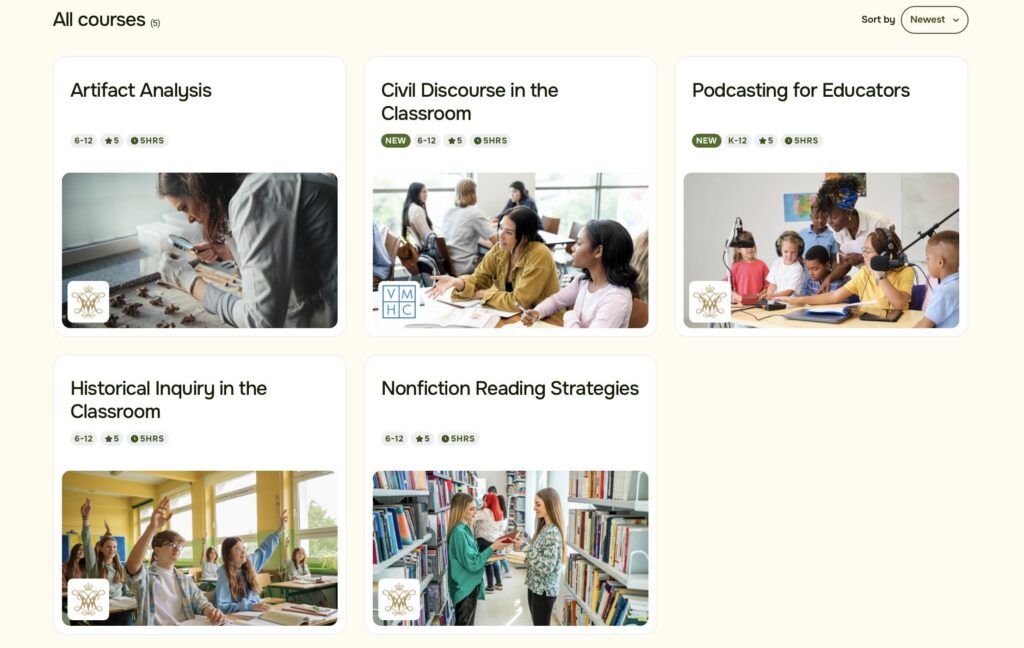
If lilyPD Courses Were New York Times Bestsellers…
Every school year, I save a million tasks (house projects, doctor’s appointments, car maintenance, large-scale clean-outs of overloaded closets) and designate them as Problems for My Summer Self. I can’t possibly manage these tasks during the sprint of the school year. But in the summer, I know it will get done. Mostly, this is delusional. […]

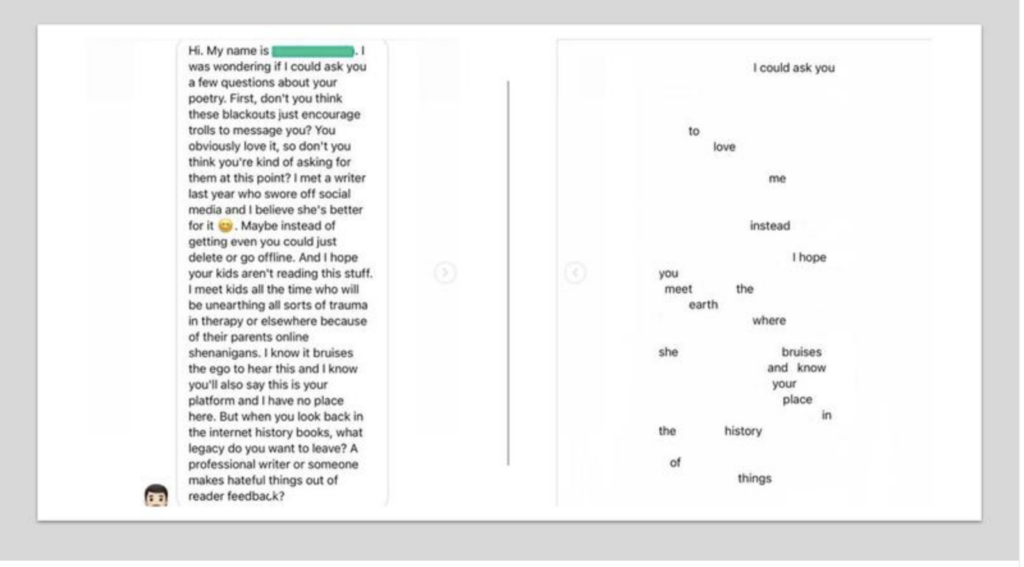
Teaching Takeaway: Found Poems for Higher-Order Thinking
Poet Kate Baer has made a game of taking online hate-mail and transforming it into erasure poetry, a type of found poem. In a found poem, a writer takes key words from another text, arranges and rearranges them, and creates a completely new, original work. In her erasure poems, Baer takes something meant to attack […]
3 Ways to Use lilyPD to Super-Charge Your Summer Learning
Let’s be honest: you need a break this summer. A true break. Time to sleep in, read a silly book, and soak up the long, slow evenings. You have had a school year that I bet was both challenging and rewarding. You have earned some rest. But time away can also be clarifying; it helps […]
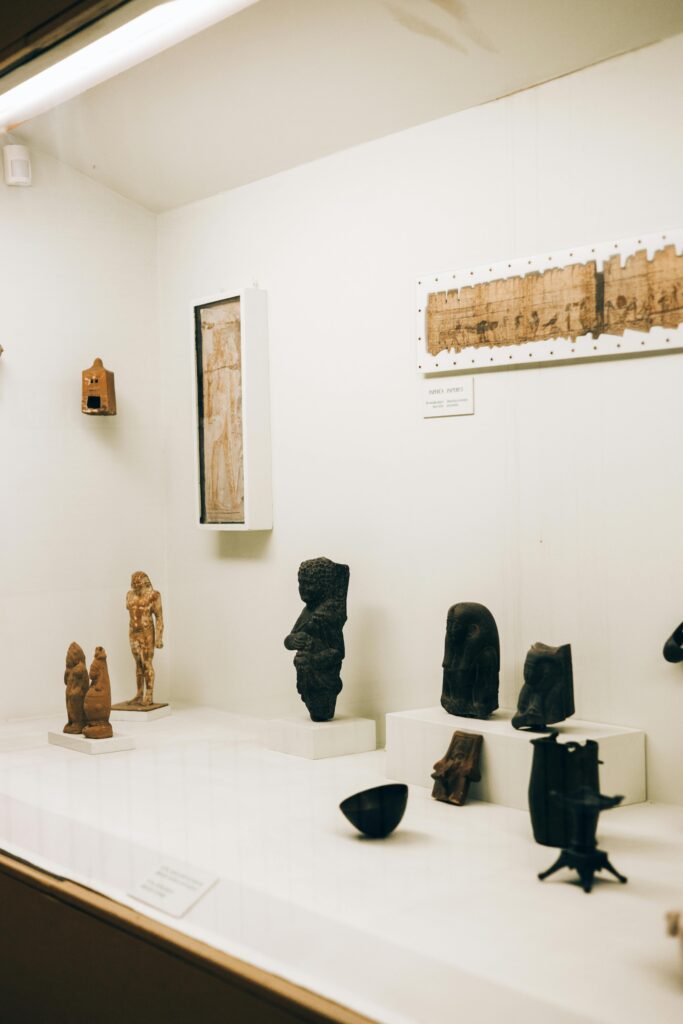
Stop Rushing Past Artifacts: Why Slowing Down Changes Everything
Engaging with artifacts in the classroom can be used as a tool to move from surface‑level observations to deeper questions and reasoned interpretations, and it can be fun too!


Explore Word Gaps for an Instant Reading Comprehension Boost
A “word gap” is a word or phrase that a student doesn’t know (Beers and Probst, 2015). A word gap might represent a brand new word the student has never seen before or a word they can understand from context but can’t define. The Collect and Explore Word Gaps strategy asks students to bring together the word gaps they find in a text and then explore them. This strategy is about more than simply learning new language, though. Collecting and exploring not only these individual words but the patterns they form can also help readers understand the big ideas of a text.